Loading…

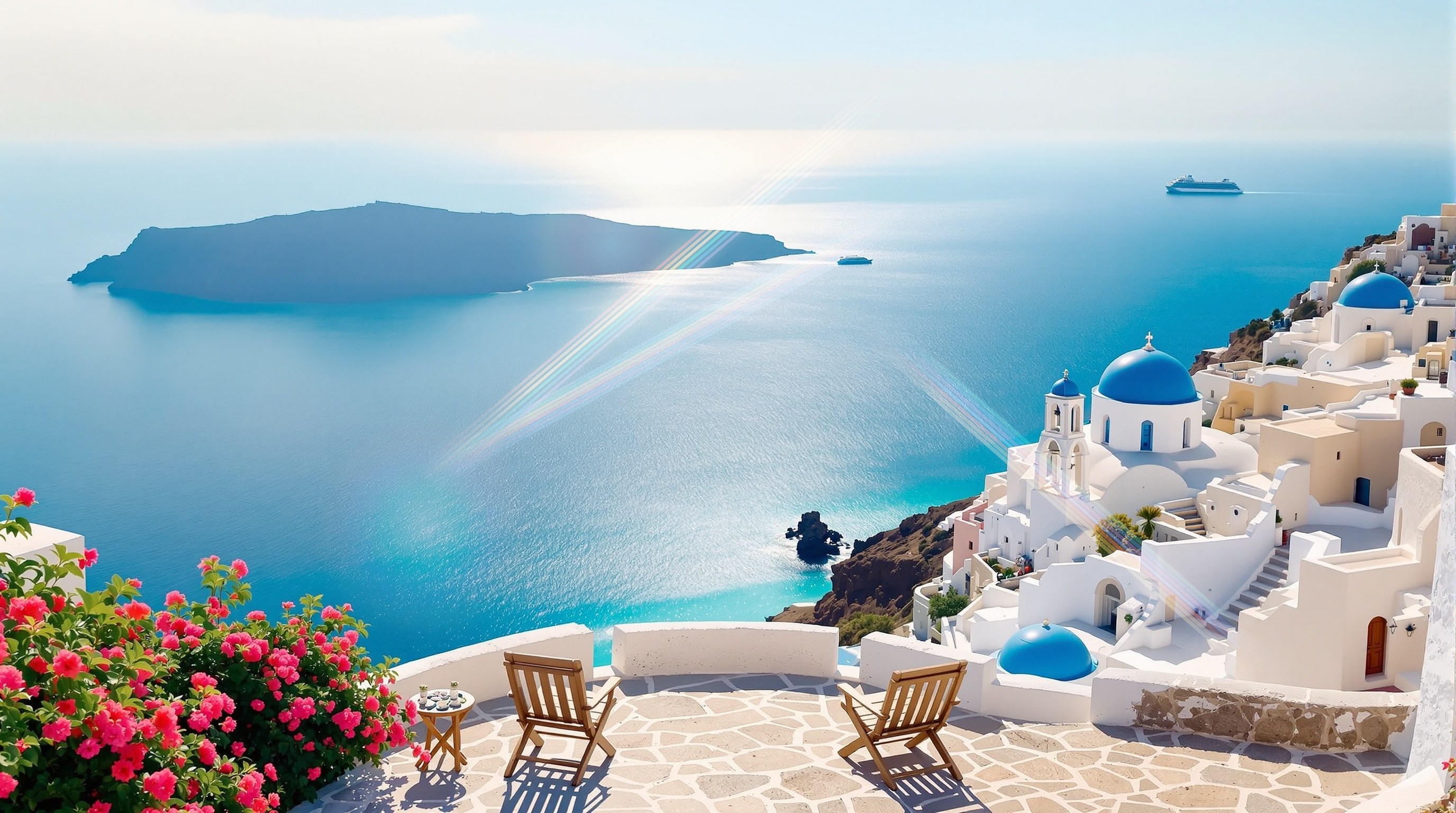
Every year, the same thing happens the week after Labor Day: airfares to Europe drop by a third, beach resorts that were sold out in July start offering fourth-night-free deals, and the line for the Uffizi goes from two hours to twenty minutes. The water in the Mediterranean is actually warmer in September than in June — it's been absorbing heat all summer.
And most travelers miss it entirely, because the mental model says "summer is for travel" and summer just ended.
September isn't a consolation prize for people who couldn't get away in July. For most destinations in the Northern Hemisphere, it's objectively the better month: summer weather, autumn prices, and a fraction of the crowds. If your life isn't pinned to a school calendar, the two weeks after Labor Day are the single best value window of the year — and the time to book them is now, in July.
The short version if you're already convinced:
- The window: Roughly September 8–25. After Labor Day crowds leave, before October weather arrives.
- The savings: Transatlantic fares typically drop 25–40% versus peak July. Hotels in resort destinations drop 20–35%. Award availability opens up dramatically.
- Best September destinations: The Mediterranean (warmest sea temperatures of the year), Japan (post-typhoon-peak, pre-foliage crowds), Greek islands, coastal Portugal and Spain, U.S. national parks.
- When to book: July. Six-to-ten weeks out is the historical sweet spot for September international fares; waiting until August means competing with everyone else who had this idea.
- The one caveat: It's hurricane season in the Caribbean and typhoon season in parts of Asia. Book flexible rates there, or pick the Mediterranean instead.
Travel pricing is demand pricing, and September demand falls off a cliff for one reason: school. The family market — the largest single segment of summer leisure travel — exits the market in the last week of August, all at once. Airlines and hotels can't shrink their planes or their buildings, so prices drop to fill the seats and rooms that families were filling in July.
But the destinations don't change. Rome in the second week of September is 82°F and sunny. The Aegean is 75°F — its warmest of the entire year. Yosemite's waterfalls are lower, but the valley is walkable without a crowd-management strategy. You're buying nearly the same product for 25–40% less.
Here's what that looks like in practice, based on typical pricing patterns for the last few years:
| Route / Stay | Peak July | Mid-September | Typical savings |
|---|---|---|---|
| U.S. East Coast → Rome, round trip economy | $1,150–1,400 | $650–850 | ~35% |
| U.S. West Coast → Tokyo, round trip economy | $1,300–1,600 | $850–1,100 | ~30% |
| Santorini 4-star hotel, per night | $450–600 | $280–380 | ~35% |
| U.S. national park lodge, per night | $350–450 | $250–320 | ~25% |
Award travel gets even better. Airlines release unsold seats to award inventory as departure approaches, and September has a lot of unsold seats. Business-class awards to Europe that are functionally unbookable for July often sit open for September dates — same cabins, same routes.
This is the best September region on the planet, full stop. Sea temperatures peak in early September. The August crowds — including the Europeans themselves, who vacation en masse in August — are gone. Restaurant reservations exist again.
Everyone knows spring cherry blossoms and November foliage. Between them sits late September: temperatures fall from oppressive August humidity to genuinely pleasant, and prices sit well below both shoulder peaks. Early September carries typhoon risk, so aim for the back half of the month and keep your first two days flexible.
Labor Day empties them overnight. September in Yellowstone, Grand Teton, and Glacier means active wildlife (elk rut starts mid-month), no entrance queues, and lodge availability that simply doesn't exist June through August. Glacier's Going-to-the-Sun Road typically stays fully open into the third week of September — check the park's status page before booking.
Be honest about the map. The Caribbean and the Gulf Coast are at peak hurricane season — statistically, September 10 is the peak of the entire Atlantic season. Southeast Asia is mid-monsoon in many regions. If you're set on the tropics in September, book refundable rates and consider travel insurance. Otherwise, this is the month the Mediterranean was made for.
The classic mistake is treating September like a last-minute market because it's "off-peak." Fares for the good routes bottom out six to ten weeks before departure and climb from there — which makes July the buying window for September trips.
Take a concrete example: two people, U.S. East Coast to the Amalfi Coast, seven nights.
| Line item | Mid-July | Mid-September |
|---|---|---|
| Two round-trip economy fares | $2,500 | $1,500 |
| Seven hotel nights, 4-star | $3,400 | $2,200 |
| Car, ferries, activities | $1,100 | $950 |
| Total | $7,000 | $4,650 |
Same coast, same hotel category, warmer water, and roughly a third of the trip cost back in your pocket — enough to fund most of a second long-weekend trip later in the year. That's the real power of shoulder season: it's not just cheaper trips, it's more trips.
Byline Tip: When you start a trip in Byline, set your dates to mid-September and compare the same itinerary against July — the price difference shows up line by line across flights and hotels. If your dates are flexible, that comparison usually makes the decision for you.