How many days do I need for a first visit to Kyoto?
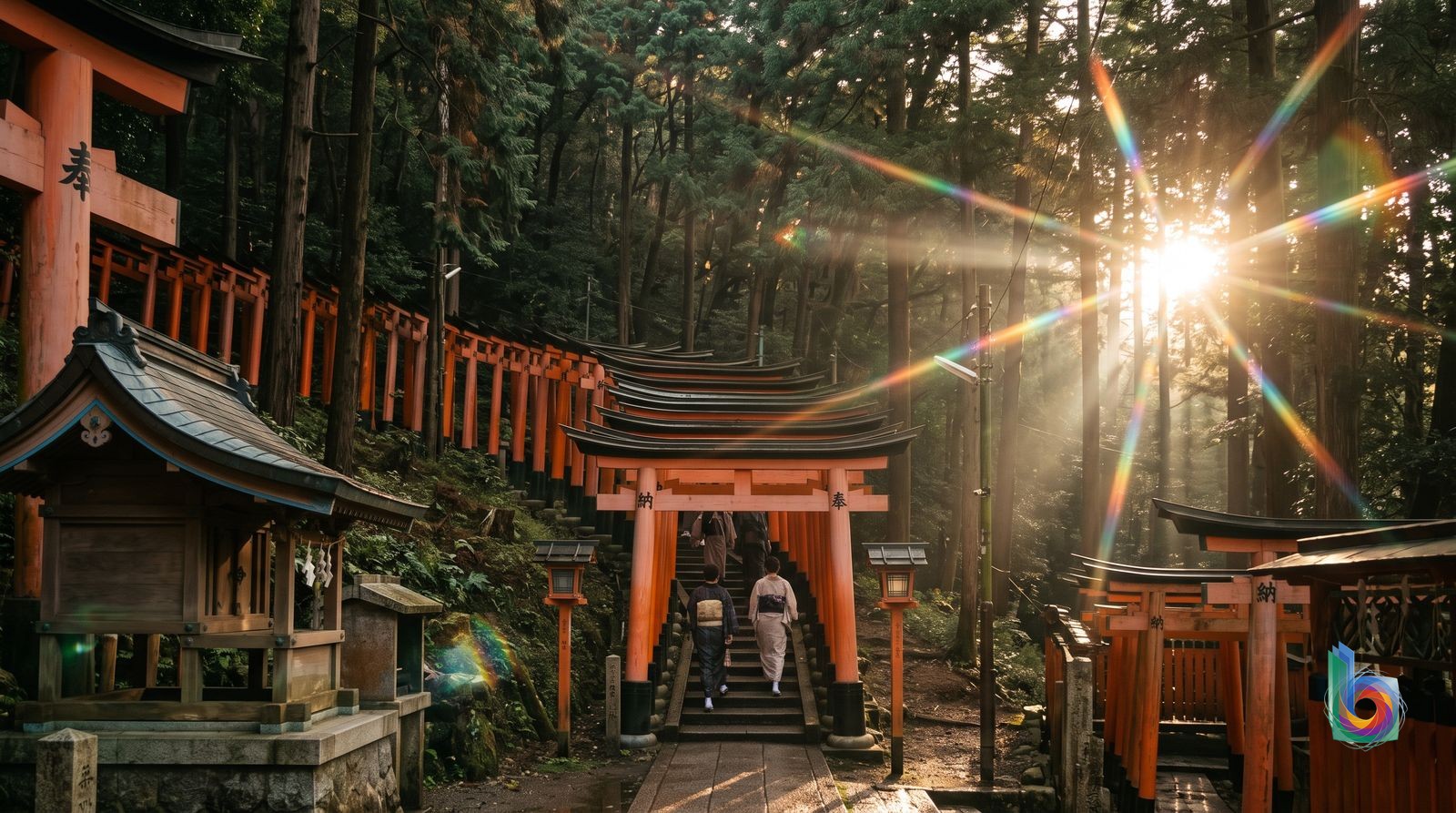
Give Kyoto at least three full days; four is better if you want Arashiyama, Fushimi Inari, the northwest temple belt and Higashiyama without turning the trip into a transit exercise. Plan by area, with two substantial sights plus a neighborhood walk per day, rather than trying to tick off six famous temples.
Where should I stay for a first Kyoto trip?
Base yourself in the central grid—around Karasuma-Oike, downtown Kawaramachi or near Kyoto Station—where rail, subway, dining and late returns are easiest. Gion and Southern Higashiyama are atmospheric but can be less convenient with luggage, steep walks and crowded roads; do not choose Arashiyama or Fushimi as your only base unless you specifically want quiet evenings over citywide convenience.
What do I need to book ahead in Kyoto?
Reserve accommodation early for late March–early April, mid-November–early December, and July’s Gion Matsuri; these are Kyoto’s hardest periods for rooms and transport. Book Imperial Household Agency tours for Katsura and Shūgakuin villas and Sentō Imperial Palace when applications open on the first day of the month three months ahead; also arrange Saiho-ji and the Nintendo Museum’s official advance entry process before you go.
What is the best airport transfer to Kyoto?
From Kansai International Airport, take JR West’s Haruka limited express directly to Kyoto Station: it is about 75–80 minutes and the cleanest option with luggage. From Itami, the direct limousine bus to Kyoto Station is the sensible choice at roughly 50 minutes; rail is cheaper but requires changes.
When is the best time to visit Kyoto?
May and October are the best overall compromises: generally comfortable walking weather, fewer crowds and less punishing hotel pricing than peak blossom or foliage weeks. Late March–early April and mid-November–early December are spectacular but demand early starts, advance bookings and patience with packed transport.
Should I avoid Kyoto in summer or winter?
Summer is viable only if you can tolerate fierce humidity, rain from roughly mid-June through July, and possible typhoon disruption in late August and September; July is especially busy because of Gion Matsuri. Winter is colder and gardens are less dramatic, but it is a strong choice for travelers who prefer quieter temples and can check reduced or irregular attraction schedules.
Can I get around Kyoto mainly on foot and by subway?
Only within a district: Kyoto is not a compact walk-everywhere city, and its two subway lines do not reach many headline sights. Use rail where it works—Keihan for eastern Kyoto and Fushimi Inari, JR or Hankyu for Arashiyama—then walk; use buses selectively, since they can be slow and overcrowded in peak seasons.
Should I rent a car or rely on taxis?
Do not rent a car for Kyoto itself: congestion, narrow lanes and parking make it more burden than freedom. Taxis are useful for a short last mile, luggage, Kiyomizu-dera’s slopes or a shared hop between poorly connected sights, but they are not an economical all-day touring plan and cannot bypass traffic.