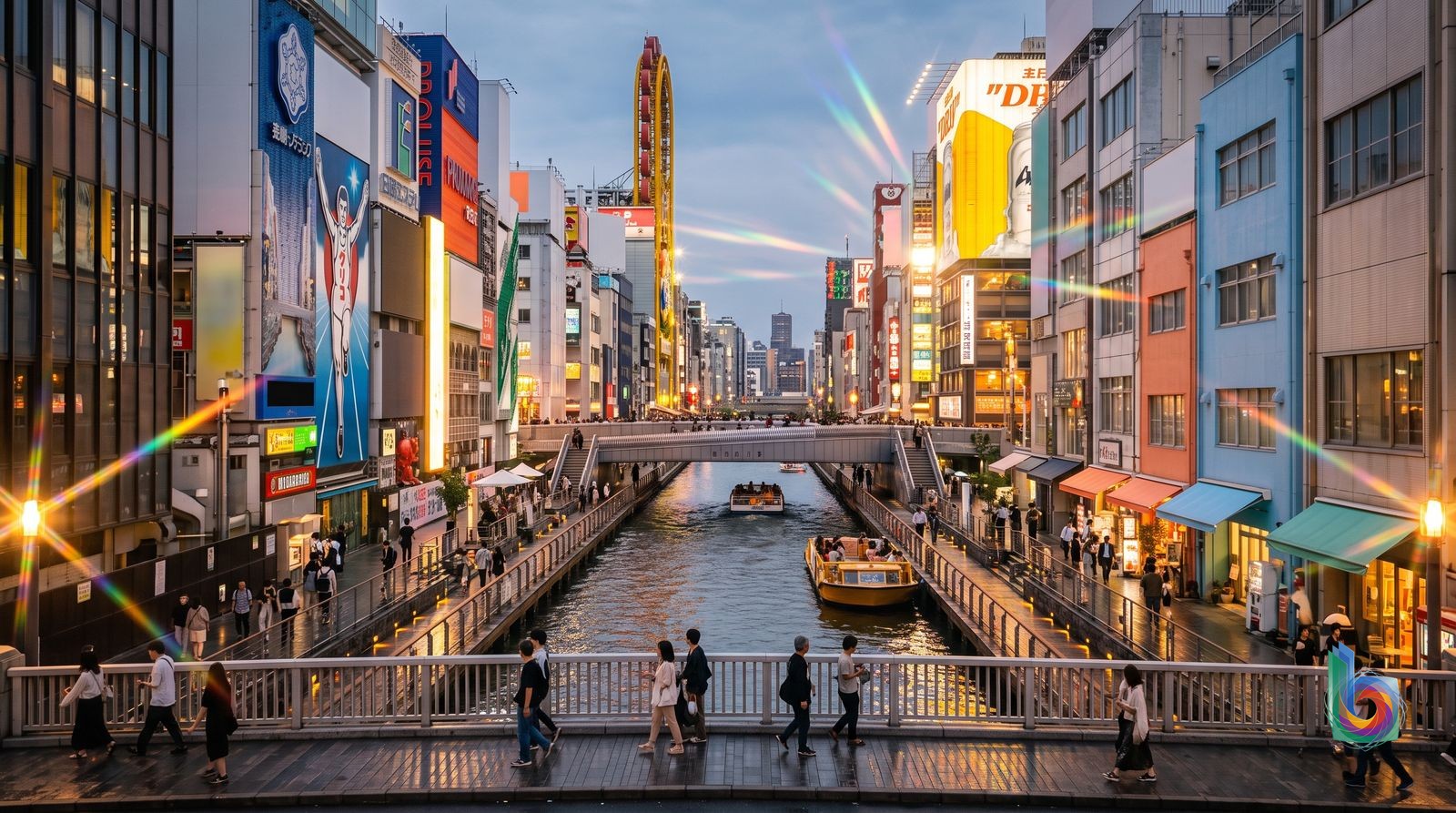
How many days should I spend in Osaka on a first visit?
Give Osaka 3 full days: one for Minami and central sights, one for Osaka Castle or museums plus Kita, and one for Universal Studios Japan or Kaiyukan/the bay. Stay 4–5 nights if you also want an unhurried food-and-nightlife rhythm or to use the city as a base for Kyoto, Nara or Kobe.
Where should I stay in Osaka for a first trip?
Choose Namba or Shinsaibashi for the most immediately Osaka experience: easy evenings in Dotonbori, dense food options and a direct KIX rail link to Nankai Namba. Choose Umeda if you value the best regional rail connections and department stores; it is more businesslike, and the vast station complex is less relaxing to navigate.
Should I stay in Osaka or Kyoto if I want to visit both?
Stay in Osaka if food, nightlife, lower-formality city life and day-trip flexibility matter most; the rail connections make it a practical Kansai base. Stay in Kyoto instead only if its temples and early-morning/late-evening atmosphere are the priority, since commuting back from Osaka strips away some of Kyoto’s best hours.
What should I book before arriving in Osaka?
Book Universal Studios Japan dated entry in advance for weekends, holidays and school breaks, and secure an Express Pass early if Super Nintendo World rides matter. Also reserve Kaiyukan timed entry for busy or rainy days, Bunraku performances if they are a priority, and March Grand Sumo tickets as soon as sales open.
What is the best transfer from Kansai International Airport (KIX)?
For Namba and Minami, take the Nankai Airport Express to Nankai Namba, about 45–50 minutes and roughly ¥970; the reserved Rapi:t is a comfort upgrade, not a necessity. For Umeda/Osaka Station, use the JR Kansai-Airport Rapid, around 65–75 minutes, rather than paying for a taxi; the limousine bus is direct but vulnerable to traffic.
How do I get from Shin-Osaka shinkansen station to my hotel?
Take the red Midosuji subway line rather than wrestling luggage through JR connections: Umeda is about six minutes and Namba about 15 minutes. All Tokaido/Sanyo Shinkansen services use Shin-Osaka, not Osaka Station.
What is the best time of year to visit Osaka?
Late May is the best-value sweet spot: Golden Week has passed, walking weather is usually still manageable, and crowd pressure is lower than in blossom season. For the finest weather, choose March–April or October–November but expect higher hotel prices and crowds around sakura and autumn-color weekends.
When should I avoid Osaka if I dislike crowds or heat?
Avoid early May’s Golden Week for an unplanned or value-focused trip, and avoid late-March/early-April if you do not want blossom-season crowds and price spikes. July and August are seriously hot and humid; Tenjin Matsuri around 24–25 July is exciting but packs central riverside transport and streets.
Can I walk Osaka, or should I rely on trains?
Walk within districts—Namba, Dotonbori and Shinsaibashi form one excellent walking zone—but use the Metro to cross the city. The Midosuji Line is the key north–south route from Shin-Osaka through Umeda, Shinsaibashi, Namba and Tennoji; Umeda to Namba is not a casual stroll.
Do I need a rail pass, car or taxi in Osaka?
Use an ICOCA, Suica or PASMO for Metro and JR rather than renting a car; central Osaka’s traffic and parking make driving irrational. Taxis are reliable but costly, and Uber generally calls a licensed taxi, so save them for luggage, late-night returns after trains stop, or awkward bay-area trips.