December–January
Dry-season weather: cool mornings and evenings at 2,240 m, comfortable sunny days and little rain. This is part of the broad busy travel season, with holiday demand in December and generally higher visitor numbers than the wet months.
Book earlier around Christmas/New Year. The Basílica de Guadalupe area and its transport links are exceptionally crowded around 12 December.
February–April
The best all-round window: generally clear, dry days and manageable temperatures, with cool starts and strong high-altitude sun. March and April can feel hot by midday.
It is a popular period, and early-February Art Week raises demand in art-world neighbourhoods. Easter-week dates can also bring heavier domestic travel and crowds.
May
A shoulder month between the driest season and the summer rains. Days can be notably hot at midday; rain becomes more likely later in the month, though it is not yet reliably wet all day.
Less dependable for all-day outdoor plans than February–April, and the first substantial storms can disrupt late-afternoon sightseeing.
June–September
Monsoon season: expect many sunny or usable mornings followed by serious afternoon rain and thunderstorms. Temperatures are generally moderate rather than tropical-hot because of the altitude.
Plan outdoor sites early and keep afternoons flexible; heavy rain, traffic and localized flooding can lengthen cross-city journeys. Independence celebrations heavily affect the Zócalo, Reforma and central hotels on 15–16 September.
October–November
Another excellent shoulder season, as rains usually ease and clearer days return. Temperatures are comfortable, though mornings and evenings are cool.
Late-October and early-November Día de Muertos programming draws substantial crowds around central public spaces and popular cultural attractions; reserve sought-after restaurants and hotels early if visiting then.
Mexico City Art Week · Usually early February
Major fairs and gallery programming bring art-world visitors and raise hotel and restaurant demand, particularly around Roma, Condesa and Polanco. Book a well-located hotel and marquee dining reservations earlier than usual.
Semana Santa / Easter week · March or April; dates vary annually
A major domestic holiday period. Expect busier roads, popular attractions and family-oriented destinations; some businesses may run altered hours. Confirm museum and restaurant schedules rather than assuming normal operations.
Independence Day celebrations · 15–16 September
The Grito on 15 September and the national holiday on 16 September heavily affect the Zócalo, Paseo de la Reforma and central hotels. Expect road closures, security controls, crowds and slower transport; avoid planning a tightly timed Centro arrival or departure.
Día de Muertos · Late October–2 November, with the main public dates around 1–2 November
Parades, ofrendas and cultural programming make the city especially lively but busier. Central areas, Coyoacán and headline museums can be crowded, and popular hotels and restaurants merit advance booking.
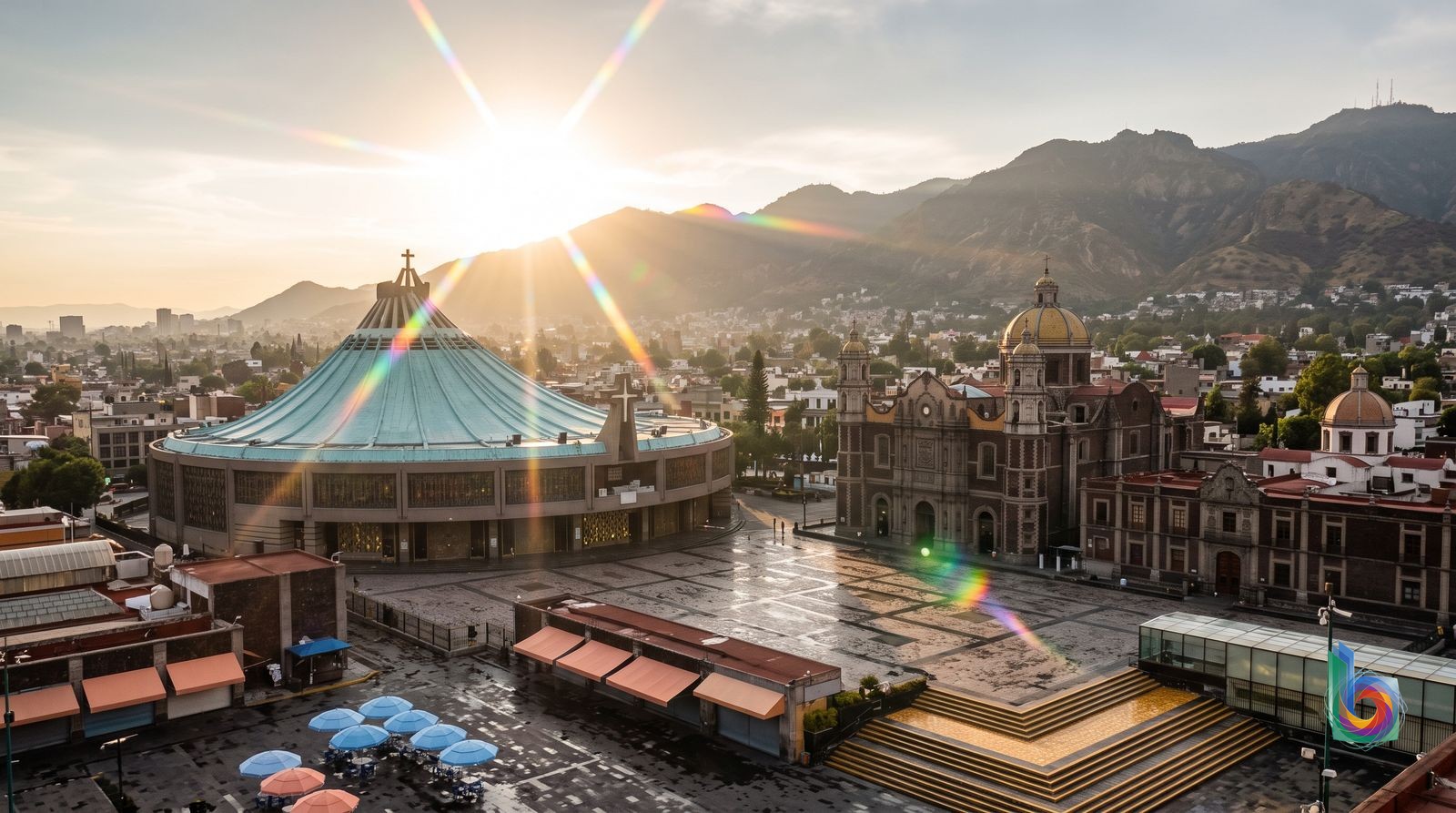
Pilgrimage to the Basílica de Guadalupe · Around 12 December
One of the city’s most consequential crowd events: the Basílica precinct and surrounding transport are overwhelmed by pilgrims. Stay elsewhere if that is not your purpose, and allow extra time or avoid the north-side area altogether.
Metro
The fastest, cheapest backbone for cross-city journeys: Centro Histórico, Roma Norte/Juárez, Chapultepec, Polanco and the southern corridor toward Coyoacán. It is particularly useful when road traffic is bad.
Buy a rechargeable mobility card (about MX$15); Metro rides are about MX$5. Use it with Metrobús as well. Avoid Lines 1–3 around 07:00–09:00 and 17:00–19:00, and keep bags zipped and in front in crowded cars.
Do not take large luggage. Metro Coyoacán is not in Coyoacán’s historic center, so there is still a bus, taxi or long walk; San Ángel and Santa Fe are poor fits for a Metro-only plan. The network is also less reassuring than a rideshare late at night.
Metrobús
A good surface-transit complement to the Metro, especially along Insurgentes for Roma Norte, Condesa and Juárez/Zona Rosa, and along Reforma for central hotels and major sights.
Use the same rechargeable mobility card as the Metro. Treat it as the practical choice when your start and finish lie on its main corridors rather than forcing a Metro transfer.
It fills corridor gaps; it does not make every district easy. San Ángel, Santa Fe, Coyoacán’s historic center and Xochimilco still need a final bus, taxi or rideshare. It can be crowded at rush hour and is subject to surface-street disruption.
Walking
The right way to experience Centro Histórico, Roma Norte, Condesa, Polanco internally, Coyoacán’s center, San Ángel and individual Chapultepec museum clusters. Build each half-day around one neighborhood rather than trying to walk between them.
Walk in daylight with comfortable shoes, water and sun protection; Mexico City’s 2,240 m altitude makes an ambitious first-day route feel harder than expected. Use transit or a car between districts.
The map is deceptive: Centro to Roma/Condesa, Chapultepec to Centro, and Coyoacán to the central city are not casual walks. Chapultepec itself is vast, while Coyoacán and San Ángel have cobbles and uneven sidewalks. After dark, avoid long walks around the north side of Centro and Plaza Garibaldi.
Rideshare
The least stressful choice for door-to-door trips, late nights, airport transfers, and the awkward last miles in Coyoacán, San Ángel, Santa Fe and Xochimilco. Uber and DiDi are especially useful when travelling in a group or after dinner.
Order through the app, confirm the car and driver before entering, and allow generous time for traffic. Use it to link Metro or Metrobús to an address rather than assuming every attraction is station-adjacent.
It is not a cure for congestion: Polanco, Santa Fe, Reforma and cross-town trips can crawl, and a journey that looks short can take an hour or more. Surge pricing and poor late-night availability can also make it less attractive at peak times.
Official taxi
A solid backup where app service is inconvenient, and a sensible option after dark when taken from an official stand or arranged by a hotel or restaurant. Authorized airport taxis are preferable to negotiating with solicitors.
Use official white-and-magenta city taxis or a hotel/restaurant-arranged car; agree on the practical details before setting off where appropriate. At airports, buy from an authorized taxi booth.
Skip unmarked taxis. Taxi trips are still road trips: late-night may be easier, but Santa Fe, Polanco and cross-city journeys can be slow in traffic, while Plaza Garibaldi and the northern fringe of Centro warrant extra caution after dark.
Light rail and local last-mile transport
The practical public-transit approach to Xochimilco: take the light rail from Tasqueña, then connect onward to the canal embarcadero. It is best for travelers with time and light bags.
Treat Xochimilco as a dedicated outing, not a quick add-on after central museums. Check the onward local connection rather than assuming the light-rail stop is at the canals.
From Roma, Condesa, Centro or Polanco, this is a significant journey. Weekend Xochimilco is noisy and crowded, and the final connection to an embarcadero is not seamless; a rideshare can be simpler for groups.
Safety: Carry only essentials and keep bags zipped in front on crowded Metro cars, markets and Centro streets; after dark, use a rideshare or official taxi—especially around Plaza Garibaldi and the north side of Centro.
Book before you land
TeotihuacánFull day — realistically 7–9 hours door to door from central neighborhoods.
This is the non-negotiable escape: an immense pre-Columbian city of pyramids 50 km northeast of CDMX, on a scale the capital cannot replicate. Go early; midday sun, tour-bus crowds and the exposed site are punishing. It easily beats adding a third museum day.
PueblaLong full day — about 10–12 hours door to door from CDMX.
Worth the long haul for a genuinely different Mexican city: UNESCO-listed colonial architecture, a handsome central core and some of the country’s best food, all concentrated enough to make a purposeful day. Do not go merely to tick off another cathedral; go to eat and walk. Better as an overnight if your schedule permits.
TepoztlánFull day — roughly 8–10 hours door to door, longer in weekend traffic.
The useful antidote to the capital’s concrete: a compact mountain town with a steep hike to the Tepozteco pyramid and a view that earns the climb. Its New Age/UFO reputation can feel kitschy, and weekends are crowded, but the landscape makes it more rewarding than another afternoon in Roma or Condesa.
Valle de BravoFull day at minimum — roughly 9–11 hours door to door; far better with an overnight.
Choose this when you want forest, lake air and outdoor activity rather than archaeology or colonial churches. It is a handsome escape for walking, water sports or simply slowing down; it is not a quick sightseeing add-on, and traffic can turn it into a slog.
Mexico City · Mexico
Researched Oct 14, 2026
