First visit? Stay in Palermo.
Palermo is the least complicated first base: a broad choice of apartments and boutique hotels, dependable cafés and late dining, leafy streets and parks, and a sociable atmosphere that makes a week-long stay easy. Choose an address near Plaza Italia or on the quieter park side if transit and sleep matter; Soho and Hollywood are livelier but can be noisy. It is not central for Plaza de Mayo or San Telmo, yet it is the most forgiving all-round choice for a first visit.
luxury →
For grand apartment-house architecture, polished hotels, museums and calmer evenings, Recoleta is the classic upscale base. It feels more residential and composed than Puerto Madero, with more of the city immediately outside the hotel door. Pay for the location and accept that Subte access is less direct than in the central core.
value →
This is the better-value alternative to Palermo for travelers who want good restaurants, cafés and bars without paying Palermo’s full premium. It has more everyday local life and useful B-line access, though fewer conventional hotels and no headline sights on the doorstep.
family →
Recoleta offers a calmer, more orderly-feeling setting than Palermo Soho, with museums, green space nearby and a strong range of full-service hotels and restaurants. It is a better family base for comfort than for late-night buzz; central historic sights require a ride.
nightlife →
Palermo—especially Soho and Hollywood—puts dining, cocktail bars and a substantial LGBTQ+-friendly social scene within easy reach, while retaining enough lodging choice to avoid a purely party-strip stay. Book away from bar-heavy streets if you want to sleep before 2 a.m.
quiet →
Belgrano is the sensible choice for a longer, quieter residential rhythm: parks, cafés, shopping and the D line, without Palermo’s constant visitor traffic. The trade-off is distance; it is not the right base for someone planning to spend every day around Plaza de Mayo and San Telmo.
rail-day-trips →
Retiro wins when suburban rail departures and fast central connections are the priority. Stay on or near Plaza San Martín rather than directly beside the terminal: the elegant northern edge is walkable to Recoleta, while station-front rooms can be noisy and hectic.
return-visitor →
San Telmo rewards travelers who already know the postcard circuit and want old-city texture, antiques, cafés and an easy walk to Plaza de Mayo. It is more atmospheric than polished: choose the exact block carefully, and expect Sunday-market crowds and uneven late-night street life.
Avoid sleeping near Microcentro and San Nicolás, especially Florida Street and the Obelisk office core: It is superb for Teatro Colón, Corrientes theatres and daytime sightseeing, but many blocks become noisy, anonymous or strikingly empty after offices close. Tourist-targeted dining, traffic and the need for extra bag awareness around Florida and transport hubs make it a poor default sleep base.
Avoid sleeping near Immediate Retiro station blocks: Retiro is excellent for rail connections, but the transport interchange brings buses, traffic, crowds and distraction-theft risk. A hotel by Plaza San Martín can work well; “next to Retiro station” is a materially different proposition and often a noisier one.
Avoid sleeping near La Boca beyond the active Caminito/La Bombonera visitor zone: La Boca is a worthwhile daytime visit, not a practical general-purpose lodging district. There is no Subte, the tourist area is compact, and casual wandering on quiet surrounding streets—particularly after dark—is not the relaxed Buenos Aires experience many first-timers expect.
Avoid sleeping near Palermo Soho and Palermo Hollywood directly on bar-heavy streets: Palermo itself is the default base, but a room over a late-night bar can turn its chief virtue into the problem: street noise, ride-hailing traffic and crowds well into the night. Pick the park side or a side street if sleep matters more than stepping straight into the nightlife.
The neighborhoods
Pick the areas you want to be around — the hotels and tables below narrow to them.
Stay here Fine base Visit, don't sleep
PalermoFirst-timer default
Leafy, social, restaurant-heavy default
Palermo is the broad, dependable first-timer choice: café tables, boutiques, parks, bars and a huge range of apartments and boutique hotels. Palermo Soho is the prettier, more polished pocket; Palermo Hollywood is more restaurant-and-nightlife oriented; the park side is calmer. It is not especially historic, but it is easy to live in for a week.
Vs. others: Pick Palermo over San Telmo if you want a comfortable residential base with late dining and parks; pick San Telmo if historic streets and central sightseeing matter more than polish.
The D Subte serves the eastern side around Plaza Italia and Palermo; much of Soho/Hollywood still requires a walk or bus. It is excellent for parks and northern neighborhoods, but not walking-distance to Plaza de Mayo or San Telmo.
Best for: first-timers, foodies, nightlife, families, LGBTQ+ travelers
Restaurant, bar and rental prices are often higher than elsewhere. · Soho and Hollywood can be noisy late at night, especially around bar-heavy streets. · It is spread out: a listing called “Palermo” may be a long walk from the Subte.
See hotels in PalermoSan TelmoExcellent base
Old streets, markets, gritty edges
San Telmo is the atmospheric old-city choice: low-rise buildings, antiques, tango associations, the Sunday market and a more lived-in texture than Puerto Madero. It is compelling for wandering, but its charm is uneven block by block rather than uniformly pristine.
Vs. others: Pick San Telmo over Palermo if you want historic character and easier access to the central sights; pick Palermo if you want greener streets, more contemporary dining and a more consistently residential feel.
The neighborhood is walkable to Plaza de Mayo, Monserrat and parts of Microcentro. Independencia on the C line is useful at its western edge; buses do much of the practical work within and beyond the neighborhood.
Best for: first-timers, return visitors, foodies, history lovers, value travelers
The Sunday fair brings dense crowds, pickpocket risk and tourist-focused stalls. · Some streets are rougher, quieter or less comfortable after dark than the polished core suggests. · Cobblestones and uneven pavements are awkward with wheels or limited mobility.
See hotels in San TelmoRecoletaExcellent base
Grand, composed, museum-ready Buenos Aires
Recoleta is affluent, orderly-looking and architecturally grand, with the cemetery, museums, elegant apartment blocks and serious restaurants. It feels more traditional than Palermo and less hectic than Centro; it is a very good hotel district rather than the city’s most spontaneous one.
Vs. others: Pick Recoleta over Palermo if you want classic architecture, museums and quieter nights; pick Palermo if restaurants, bars and a younger social scene are the priority.
The H line reaches Facultad de Derecho near the cemetery, while the D line is farther east along Santa Fe. It is walkable to Museo Nacional de Bellas Artes and the cemetery, but Plaza de Mayo and San Telmo require transit or a long walk.
Best for: luxury, families, quiet, first-timers, museum lovers
Hotels and restaurants can be expensive. · The neighborhood can feel formal and subdued at night. · Its Subte coverage is less convenient than a map of central attractions may imply.
See hotels in RecoletaPuerto MaderoAcceptable base
Waterfront towers, security, little street life
Puerto Madero is the renovated docklands: towers, corporate offices, big-name hotels, steakhouse terraces and the Ecological Reserve nearby. It is visually easy and generally more controlled-feeling than older central districts, but it is not where Buenos Aires feels most like Buenos Aires.
Vs. others: Pick Puerto Madero over San Telmo if waterfront hotels and a calmer, more controlled environment matter most; pick San Telmo if you want character, public life and better value.
There is no Subte in Puerto Madero. It is walkable to Plaza de Mayo from the northern docks, but the district is broad and relies on walking, taxis and buses for much else.
Best for: luxury, families, quiet, business travelers, travelers prioritizing a controlled-feeling base
It can feel isolated and quiet once office activity ends. · Restaurants are often expensive and some are geared heavily to visitors and business diners. · The lack of direct Subte service is a real inconvenience, not a minor detail.
See hotels in Puerto MaderoMicrocentro and San NicolásVisit, don't sleep
Big sights, office-city intensity
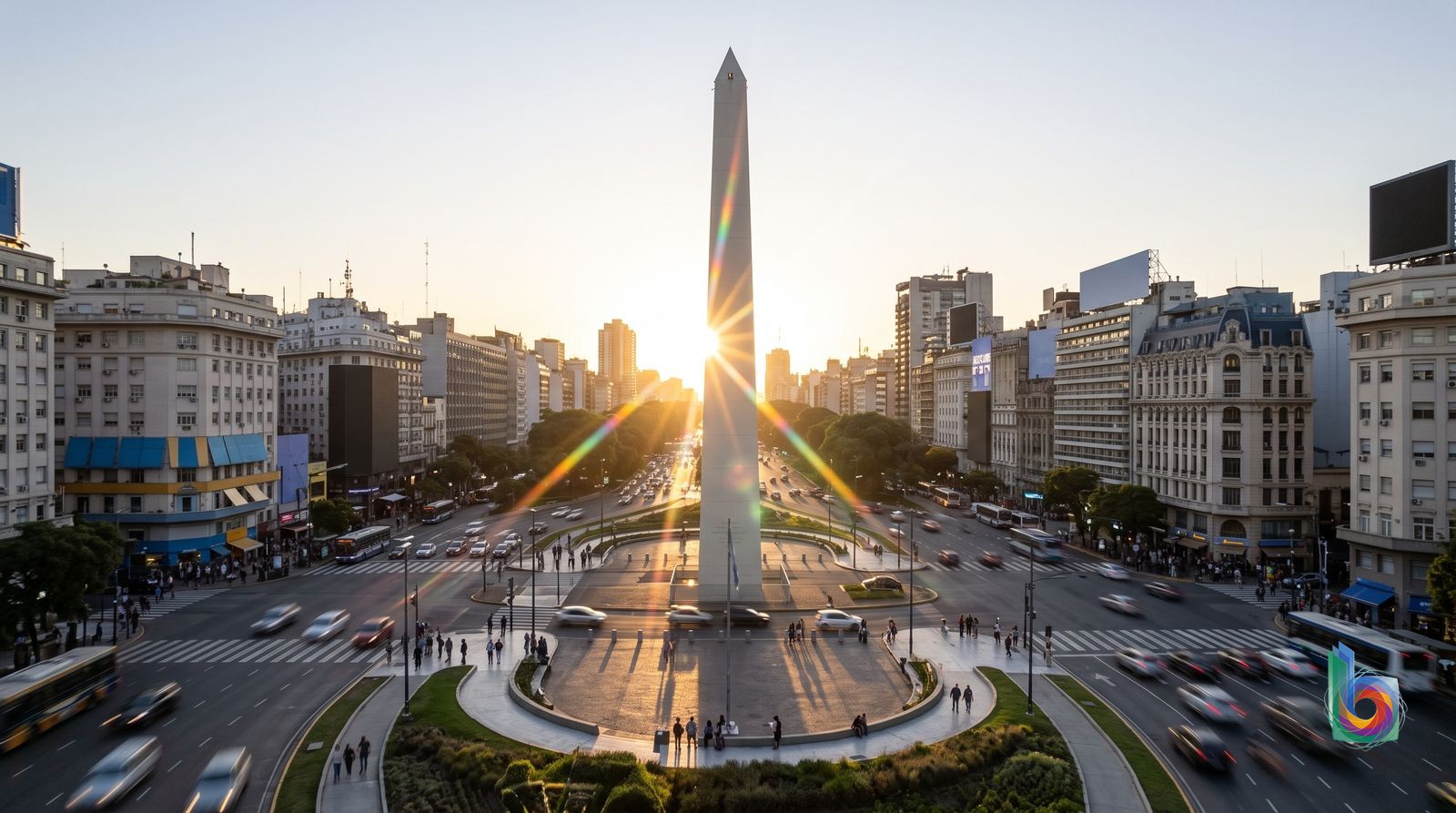
This is the dense central core around the Obelisk, Teatro Colón, Florida, Corrientes and the main civic-commercial streets. It is indispensable for sights, theatre and classic cafés, but it works like a business district: busy by day, patchier and less appealing after offices close.
Vs. others: Pick Microcentro over Recoleta if Teatro Colón, Corrientes theatres and immediate sight access are your priority; pick Recoleta if you want a more pleasant place to return to at night.
This is the city’s best-connected area: A, B, C and D lines converge or run nearby, and buses are abundant. Plaza de Mayo, the Obelisk, Teatro Colón and Avenida de Mayo are readily walkable.
Best for: first-timers, theatre lovers, architecture lovers, short-stay sightseers
Office crowds, traffic and noise dominate weekdays. · Many blocks thin out sharply at night and weekends. · Florida Street and transport hubs demand extra attention to bags and distraction theft.
See hotels in Microcentro and San NicolásRetiroAcceptable base
Rail gateway beside elegant northern streets
Retiro combines the major rail terminal and transport interchange with the edge of elegant Plaza San Martín and easy access toward Recoleta. It is practical for regional rail departures and high-end hotels, but the immediate station environment is not the same experience as the polished blocks uphill.
Vs. others: Pick Retiro over Palermo if rail connections and access to the central sights outweigh neighborhood atmosphere; pick Palermo if you want to spend evenings near cafés and restaurants rather than a transport hub.
Retiro is a major suburban-rail terminus and the northern end of the C Subte line, with extensive bus links. Plaza San Martín and the eastern edge of Recoleta are walkable; San Telmo is not.
Best for: rail-day-trips, luxury, first-timers with short stays, travelers needing connections
The blocks immediately around the station are hectic and warrant normal big-city bag awareness. · Traffic, buses and rail activity can make station-adjacent rooms noisy. · It changes quickly by block; do not book solely because a listing says “near Retiro.”
See hotels in RetiroLa BocaVisit, don't sleep
Football, color, and a narrow tourist zone
La Boca is worth visiting for La Bombonera, port history and the colorful Caminito area, not for treating the whole barrio as an open-ended day-and-night wander. Its tourist imagery is real, but concentrated; beyond it, this is a working-class neighborhood with more complicated street realities.
Vs. others: Pick La Boca over San Telmo for Boca Juniors and the most theatrical port imagery; pick San Telmo for a historic district where you can wander more broadly and sensibly stay overnight.
No Subte reaches La Boca. Buses connect it with central Buenos Aires, but it is not conveniently walkable from Microcentro for most visitors, and transport planning matters.
Best for: football fans, photographers, return visitors, daytime wanderers
Stay on active, known routes and avoid casual wandering into quiet side streets, particularly late. · Caminito is compact, crowded and highly tourist-oriented rather than a whole-neighborhood experience. · Restaurants around the main tourist strip can be priced and pitched for visitors.
See hotels in La BocaBelgranoAcceptable base
Residential north, parks and local rhythm
Belgrano is a comfortable, more local-feeling northern district of apartment streets, parks, cafés and substantial shopping corridors. It lacks Palermo’s constant buzz but gives longer-stay visitors a convincingly residential Buenos Aires base, with Chinatown adding a useful food stop.
Vs. others: Pick Belgrano over Palermo if you want calmer residential streets and a more local routine; pick Palermo if you want closer concentration of restaurants, bars and visitor-oriented lodging.
The D line runs through Belgrano, including Congreso de Tucumán at its northern end, and Belgrano rail stations offer commuter connections. It is far from Plaza de Mayo and San Telmo, so expect a longer ride.
Best for: families, quiet, return visitors, foodies, longer stays
It is a long commute from the historic center. · The atmosphere is more practical than destination-like after dinner. · A stay near the district’s northern edge can mean substantial walking to the Subte.
See hotels in BelgranoVilla Crespo and ChacaritaExcellent base
Local cafés, creative spillover, better value
These adjacent districts sit behind Palermo’s glamour: increasingly good cafés, restaurants and bars, a younger creative crowd and generally better value, while retaining more everyday residential life. Chacarita’s cemetery and Villa Crespo’s outlet-shopping associations are not reasons alone to stay, but the area rewards return visitors.
Vs. others: Pick Villa Crespo and Chacarita over Palermo if you want a less polished, more local-feeling base with better value; pick Palermo if you want easier visitor infrastructure and parks at your door.
The B line is the key Subte connection, with Dorrego and nearby stations useful depending on address; buses link toward Palermo and Centro. It is close to Palermo by taxi or bus but not a walkable base for Plaza de Mayo.
Best for: value, foodies, nightlife, return visitors, longer stays
Hotel choice is thinner than in Palermo, and apartment quality varies widely. · Some blocks feel very quiet at night rather than charmingly lively. · Its appeal is dining and neighborhood life, not a concentration of headline sights.
See hotels in Villa Crespo and ChacaritaAlmagro and AbastoAcceptable base
Tango roots, real city, central value
Almagro and the Abasto area offer a denser, more everyday central Buenos Aires: tango history, casual eating, apartment living and access to Corrientes without Microcentro’s all-business feel. This is a sensible value base for travelers who do not need boutique-hotel polish.
Vs. others: Pick Almagro and Abasto over San Telmo if lower-key local life and central value matter more than old-town atmosphere; pick San Telmo if you want a more immediately atmospheric place to wander.
The B line serves the Abasto side around Carlos Gardel, while the A line runs along the southern edge of Almagro. Corrientes and central theatre areas are accessible, but Plaza de Mayo is not an easy stroll.
Best for: value, tango fans, foodies, return visitors, longer stays
It is more functional than picturesque. · Traffic and street noise can be significant on major avenues. · The immediate surroundings of major shopping and transit nodes can feel hectic rather than relaxing.
See hotels in Almagro and AbastoMonserrat and CongresoAcceptable base
Civic architecture, bargain hotels, thin nights
Monserrat and Congreso hold Avenida de Mayo, Café Tortoni’s orbit, the National Congress and layers of civic architecture. They are central and often good-value, but much of the appeal is daytime architecture rather than a neighborhood scene; accommodation quality is highly variable.
Vs. others: Pick Monserrat and Congreso over Microcentro if you want similar central access with more historic avenues and potentially better value; pick Palermo if the quality of your evening neighborhood matters more than being near the monuments.
The A line runs through Congreso and toward Plaza de Mayo; the C line and numerous buses make central connections easy. Avenida de Mayo links the area on foot to Plaza de Mayo and the central core.
Best for: value, architecture lovers, first-timers on short sightseeing trips, budget travelers
Some hotel blocks feel dated, anonymous or geared to short business stays. · Activity drops after offices and institutions close. · As in other central districts, keep bags close around transit, crowds and busy avenues.
See hotels in Monserrat and CongresoWhere to stay