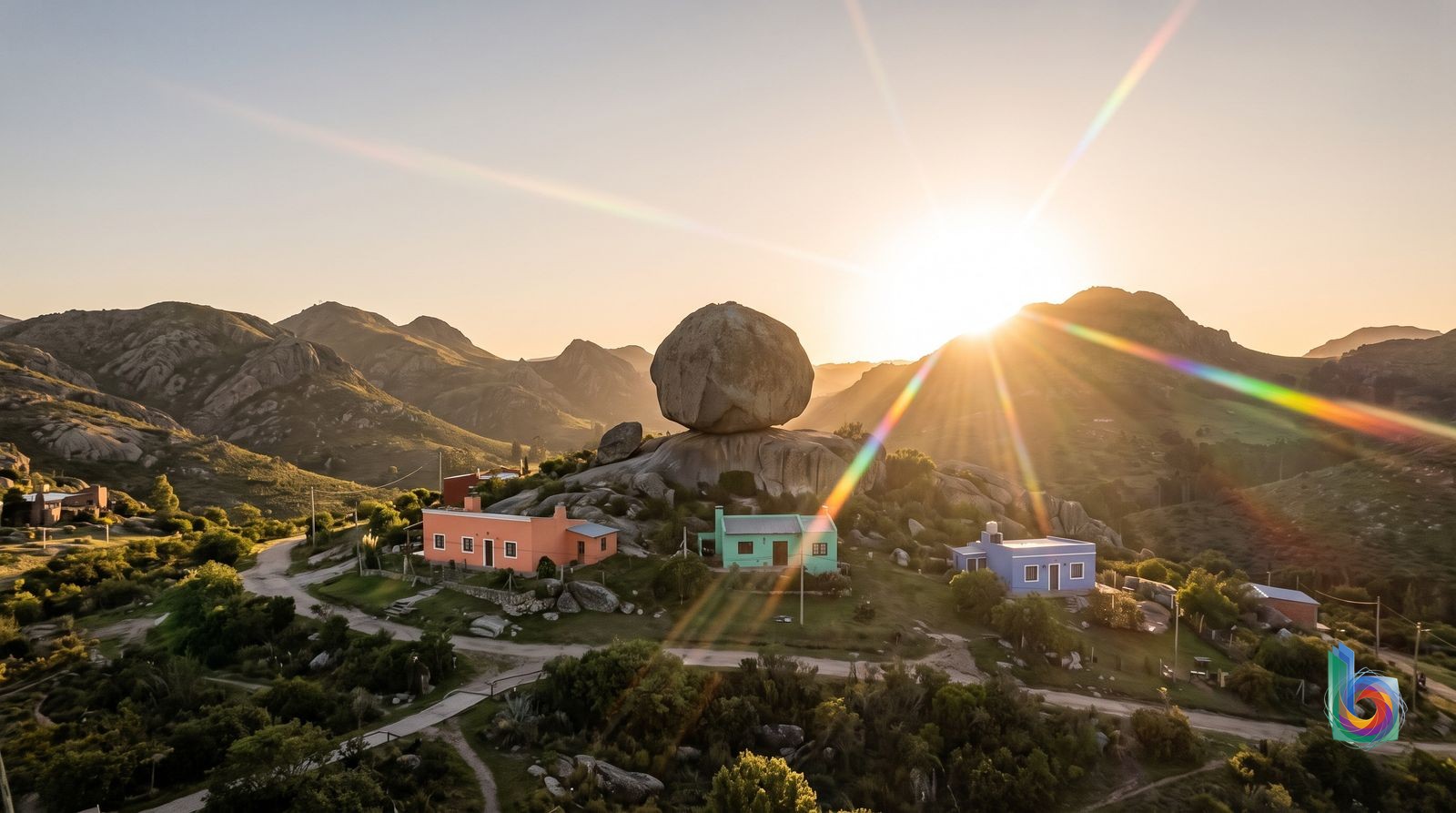
December–February (summer)
Long daylight makes the lake, parks and low sierras appealing, and the city feels livelier. Expect heat and the possibility of summer storms; rain can leave paths muddy.
Accommodation is fuller on weekends and holidays, while heat and storms can make exposed walks less pleasant.
March–April (early autumn)
One of Tandil’s strongest windows: generally more comfortable temperatures for walking in the low sierras, with fewer Buenos Aires weekend visitors than in peak summer.
Easter can overturn the quieter pattern entirely, bringing heavy demand for rooms and buses.
May–September (late autumn and winter)
The city is quieter, but conditions can be cold, windy and damp. Daylight is shorter, limiting the useful time for hikes and distant viewpoints.
Outdoor plans are less reliable and less comfortable; rain can make trails muddy and exposed hillsides unpleasant.
October–November (spring)
Along with early autumn, this is the best-balanced period: generally comfortable weather for the sierras and city, without summer’s usual concentration of weekend visitors.
Weather can still disrupt outdoor plans, especially after rain; Argentine long weekends can create sudden crowding and higher accommodation demand.
Easter / Holy Week (Semana Santa) · March or April; dates vary each year.
A major domestic travel period for Tandil. Accommodation and Buenos Aires–Tandil buses fill early, so reserve well ahead or choose another week if you want a quieter visit.
Argentine national long weekends · Several times annually; dates vary with the national holiday calendar.
Buenos Aires weekenders can sharply increase demand for rooms, buses, restaurants and outdoor sights. Book transport and accommodation early, particularly for Friday–Sunday travel.
Walking
Centro y Plaza Independencia: the plaza, cathedral, cafés, shops and downtown dinners are comfortably walkable. Parque Independencia y Cerro del Libertador can be walked from the center if you are fit and want the uphill viewpoint.
Base yourself in Centro if you want to do most meals and practical errands on foot. Wear grippy shoes and carry water for any hill route; take a taxi/remis back after a sunset viewpoint visit.
Tandil is not a compact walk-everywhere destination. The climb to Parque Independencia is substantial in heat and after dark, while Lago del Fuerte y Villa del Lago, La Movediza, Sierra del Tigre y Barrio Don Quijote, Cerro El Centinela and Uncas y Barrio Golf are not sensible extensions of a central walking day. Avoid isolated park and hill paths at night.
Taxi or remis
The default choice for cross-town sightseeing, short stays without a car, and evenings outside Centro. It is particularly useful for Lago del Fuerte y Villa del Lago, La Movediza, Parque Independencia after a climb, and one-off trips to Cerro El Centinela or Sierra del Tigre.
Use a taxi for an immediate town ride; book a remis by phone or through an agency when you want a pre-arranged car and commonly agreed fare. Confirm the fare or whether the meter will be used before getting in. For trailheads, reserve the return pickup rather than assuming a car will appear.
Availability becomes less dependable at remote attractions and late at night, especially in Sierra del Tigre y Barrio Don Quijote, Cerro El Centinela y Ruta 226, Uncas y Barrio Golf and dispersed parts of Villa del Lago. App-based rides are thinner than in Buenos Aires, so do not rely on an app as your only exit plan.
Local bus
Budget-minded travelers making a straightforward trip between Centro y Plaza Independencia and a broader residential area, including Villa Italia y Estación; buses also run through or near the center.
Treat the bus as a useful local connection, not a sightseeing system. Ask your accommodation or a local source which current route serves your exact stop, and allow extra time rather than planning tightly timed attraction hops.
Routes and frequencies are not an efficient way to stitch together a short visit. Service is a weak fit for the scattered lake and hill attractions: accommodation around Lago del Fuerte y Villa del Lago is spread out, and Sierra del Tigre, Cerro El Centinela, Uncas/Golf and the hillier parts of La Movediza are poor bets for frequent, convenient transit—particularly in the evening.
Rental car or own car
A weekend focused on the sierras, rural food stops and dispersed accommodation. It makes Lago del Fuerte y Villa del Lago, Sierra del Tigre y Barrio Don Quijote, Cerro El Centinela y Ruta 226, and Uncas y Barrio Golf dramatically easier, and is especially worthwhile for families or travelers staying beyond one or two nights.
Use the car to link hill sights, lake walks and outer lodging on your own schedule. Confirm parking and road access with hill-edge accommodation, and keep taxis/remises as the safer evening option if you plan to drink.
A car is not essential for a one- or two-night city break based in Centro, and central parking will not improve a downtown day. Do not drive after Tandil beer, wine or regional cured-meat tastings; outer areas can have hilly, unlit and dispersed roads, especially around Sierra del Tigre, Uncas/Golf and Cerro El Centinela.
Safety: Tandil is generally calm, but keep valuables out of sight at crowded stops, avoid isolated park and hillside paths after dark, and arrange a taxi or remis back from viewpoints rather than walking.
Parque Provincial Ernesto Tornquist and Cerro de la Ventanafull day — roughly 11–13 hours door-to-door by car, including a hike
This is the one serious upgrade on Tandil’s low, gentle sierras: Cerro de la Ventana reaches 1,134 m, and the provincial park has proper trails and an upper waterfall where swimming can be possible even late in the dry summer. Go only if you have a car, start very early, and want a real hiking day; it is not a casual add-on. Without a car, another day walking Tandil is the better use of time.
Researched Nov 17, 2026