December–February
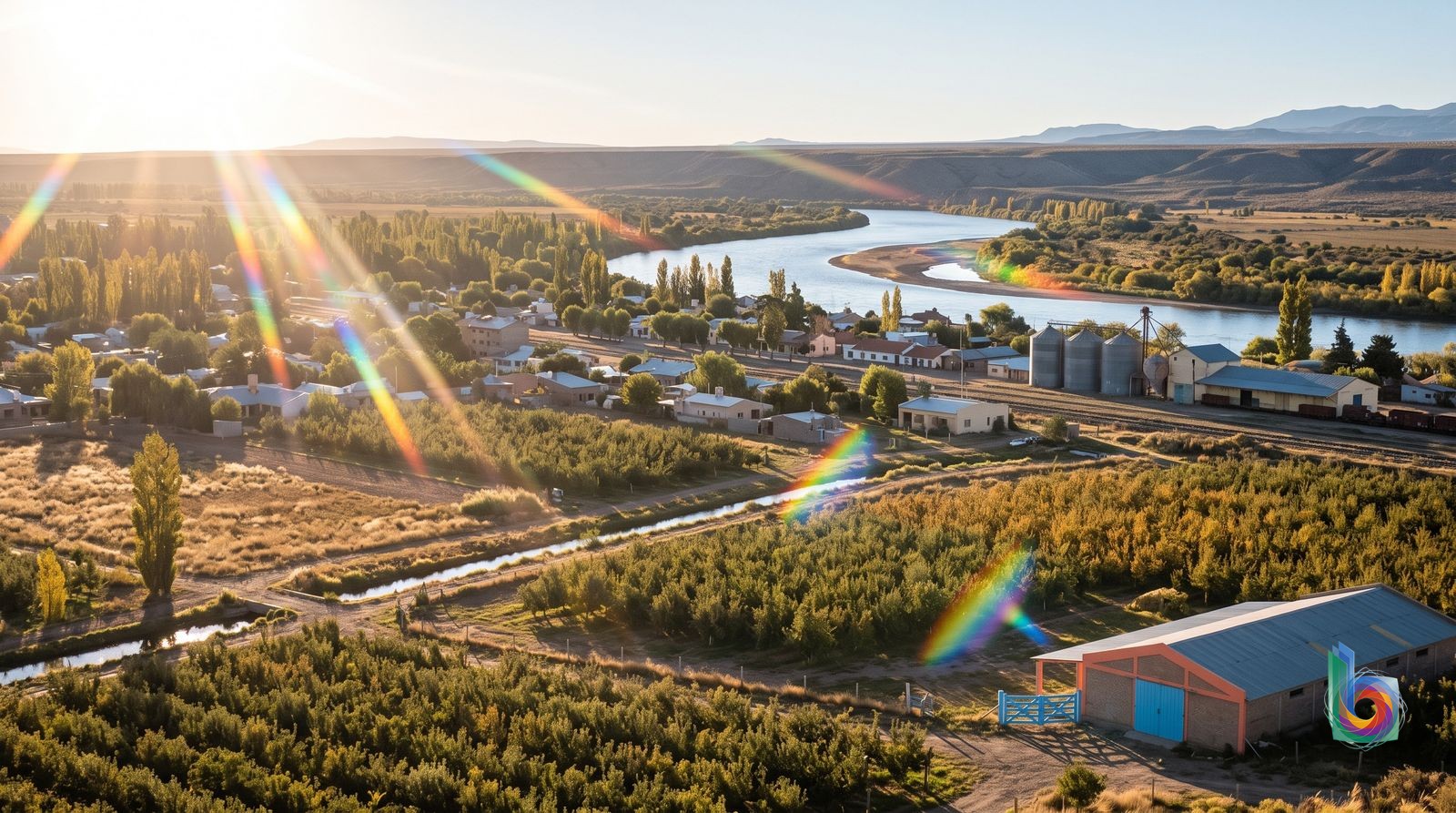
Hot, dry summer weather. The Limay is the main draw, with swimming generally viable from mid-November through early April; established beaches are busiest on weekends. Seasonal lifeguard coverage is roughly 1 December to 15 March.
Summer weekends bring the year’s strongest beach crowds and can tighten lodging availability. Heat makes walking between scattered districts unpleasant; currents mean swimming should be limited to established beaches.
March–April
Sunny autumn weather is generally manageable, with fewer people than in peak summer. Early March can still support river-oriented days, though the swimming season is winding down.
River facilities and lifeguard coverage taper off after mid-March, and cooler conditions progressively reduce the appeal of swimming.
May–September
Cool-to-cold winter days; this is the quietest and least river-focused part of the year.
The Limay beach experience is largely off-season, daylight is shorter, and Plottier’s limited standalone attractions do not compensate for poor weather.
October–November
Spring is sunny and generally manageable, though wind can be conspicuous. By mid-November, warmer conditions can bring the Limay swimming season back into play.
Wind is the principal nuisance, and reliable beach-season services do not fully return until December.
Summer weekends at Limay beaches · Usually December–February; warm weekends can extend the beach rush into early March.
This is Plottier’s most consequential recurring visitor surge rather than a formal festival: established Limay beaches become crowded, and summer-weekend lodging can be tighter. Arrive early for a beach day and do not assume a quiet riverfront experience.
Seasonal Limay lifeguard period · Roughly 1 December–15 March.
This materially affects safe swimming planning. Favor established beaches during this period; outside it, coverage may not be available even if the weather is warm enough for the water.
Walking
Plottier Centro’s compact everyday core, and central Neuquén around Neuquén Alto, Parque Central and Bajo. It is the right way to handle short errands, cafés and museums—not to link the metro area.
Stay in or near Plottier Centro if you want to do local basics on foot; in Neuquén, use Parque Central as an orientation point and walk between the central districts.
Walking stops being practical between Plottier and Neuquén (about 15 km apart), to the Limay river edge at La Herradura, and around Los Canales, China Muerta and Río Grande. Avoid long cross-district walks after dark: distances and quiet streets are as much the issue as safety. Ruta 22 is especially hostile to pedestrians, with traffic, wide crossings and vehicle-oriented frontage.
Local bus (SUBE)
The budget choice for travel between Plottier and Neuquén, and for getting around central Neuquén when a route serves your exact address.
Buy and load a SUBE card at a kiosk before relying on buses. Check live or local route information on the day rather than treating a static map or timetable as definitive; pin your destination, since ‘centro’ may mean either Plottier or Neuquén.
Coverage feels sparse in Los Canales and becomes unreliable for visitor purposes at La Herradura’s river access and in China Muerta. Along the Ruta 22/Parque Industrial strip, verify the current route and stop rather than assuming a bus is convenient. Late-night service and return options are the weak point across Plottier’s outer districts.
Taxi or remis
Night travel, heat, luggage, families, river outings and any cross-metropolitan trip where buses would mean a long wait or an awkward final walk. This is the practical default for Los Canales, La Herradura, China Muerta and Río Grande.
Ask your hotel or host to arrange one where possible. Give the exact pinned address, agree the destination and confirm the estimated fare before leaving; carry a working card and some cash, as peso prices change quickly.
It costs more than the bus, and outer river or rural addresses need a return plan rather than an assumption that a car will be immediately available. Do not casually walk back from China Muerta or an isolated Limay access point after dark instead of arranging transport.
Car / rental car
Road trips beyond the conurbation—particularly El Chocón, the Alto Valle or rural Limay-side excursions such as China Muerta. It is also the most independent option for dispersed lodging in Los Canales.
Use a car for an itinerary with genuine out-of-town stops, and treat it as helpful rather than essential for reaching scattered river access points. Choose established Limay beaches for swimming and do not assume informal banks have facilities or supervision.
Do not rent solely to shuttle between Plottier Centro and central Neuquén: buses and taxis/remises are usually less bother. Parking, city traffic and the Ruta Nacional 22 corridor add friction, while roadside and industrial areas are unpleasant to explore on foot once you park.
Commuter rail
A limited-timetable option between Neuquén’s Parque Central station area and Plottier when the schedule happens to fit, especially for travelers already based near the station.
Check the day’s operating timetable before building plans around it. From Plottier station, expect to finish by a short taxi/remis or local bus unless your destination is nearby.
This is not a frequent, all-day metropolitan network and is not useful for most outer districts. It does not solve access to Los Canales, La Herradura, China Muerta, Ruta 22/Parque Industrial or the Limay river edge, and it is a poor late-night fallback.
Safety: After dark, stick to lit, active streets and use a remis or taxi between Plottier’s scattered districts; for swimming, use established Limay beaches with lifeguards and avoid the dangerous Neuquén River.
Neuquén city: Parque Central, museums, Alto and the Limay riverfrontHalf day for the centre; a full day if you add the riverfront. Roughly 30–60 minutes each way from Plottier depending on local train or bus timing.
This is the essential escape from Plottier, not an optional add-on. Neuquén is the metropolitan centre: its free museums in Parque Central, Avenida Argentina and Balcón del Valle, plus Río Grande/Isla 132 on the Limay, give you culture and a real urban walk that Plottier does not. Do not treat the two cities as remotely equivalent tourist bases.
Villa El Chocón and Embalse Ezequiel Ramos MexíaFull day. Allow about 2 hours each way by car from Plottier; using the several daily buses from Neuquén adds a transfer and makes for a long, schedule-led day.
This is the day trip that earns a whole day: big water, red-rock Patagonian scenery, beaches and the dinosaur fossils at Villa El Chocón’s paleontological museum. It is far more distinctive than staying in the Neuquén–Plottier conurbation. The town beaches can be stony; sandy stretches lie farther west and south, so a car or bicycle makes the outing substantially better.
Lago Pellegrini via Cinco SaltosFull day from Plottier, especially without your own car; plan roughly 1.5–2 hours each way including access to the lake.
A worthwhile hot-weather alternative if your priority is swimming rather than sightseeing: Lago Pellegrini has beaches and better shore infrastructure than its unremarkable gateway town, Cinco Saltos. It is not a landscape knockout on El Chocón’s level, and summer weekends are crowded. Go only with a car or a pre-arranged taxi for the final leg—there is no useful public transport from Cinco Saltos to the lake.
General Roca, Río NegroFull day. About 1–1.5 hours each way by road from Plottier; allow extra time if working around intercity-bus schedules.
Skip it if you merely want a quick change of scene; choose it if you want a proper provincial-city day with historical architecture, a lively centre, shady irrigation-channel parks, a strong natural-sciences museum and more cultural life than its dull reputation suggests. It beats another aimless day in Plottier, though it is not a substitute for an Andean landscape trip.
Researched Nov 17, 2026