
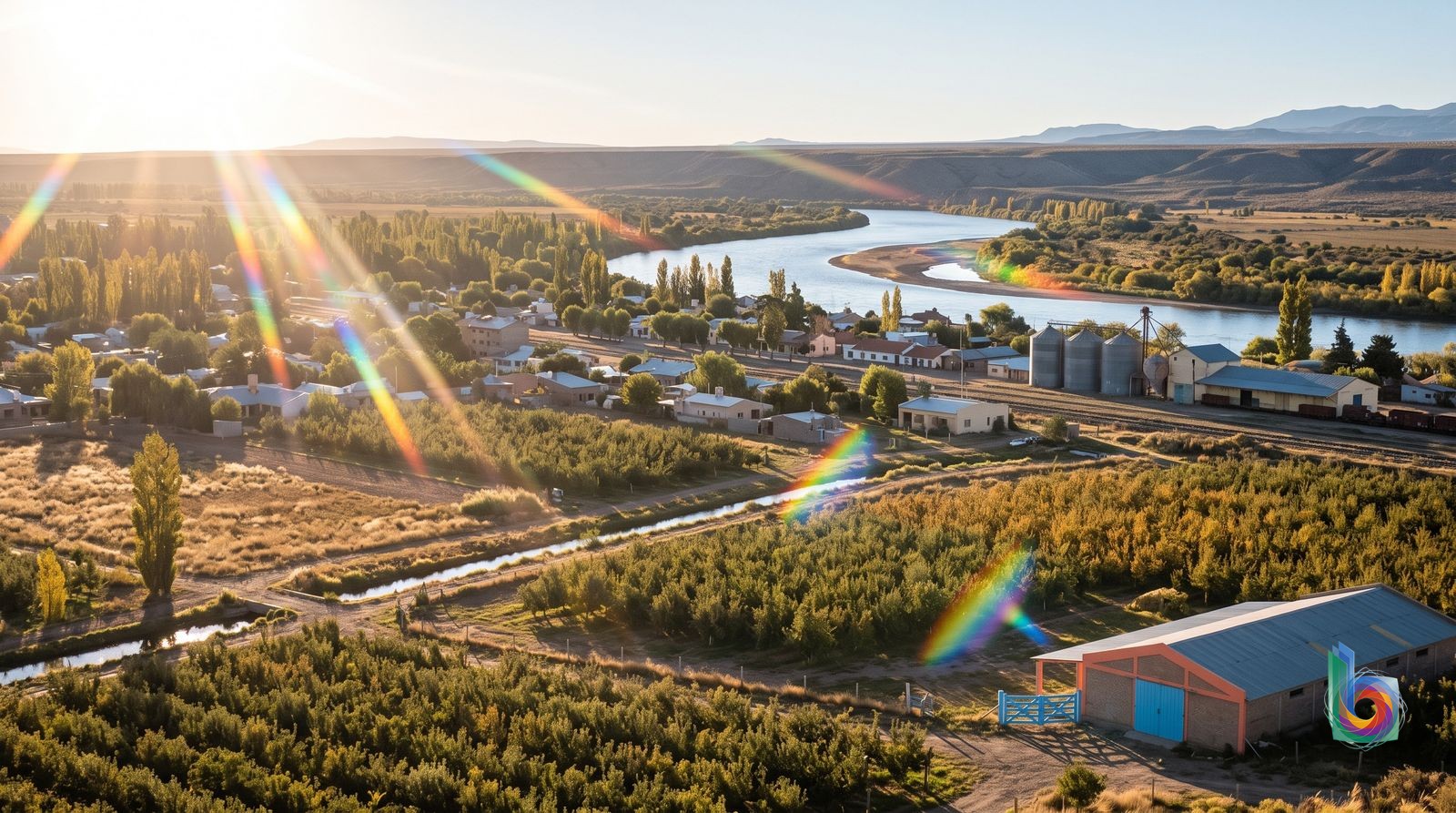
First visit? Stay in Neuquén Alto.
For a first visit framed around Plottier and greater Neuquén, Neuquén Alto is the only genuinely easy all-round base: it has the strongest hotel, restaurant and nightlife concentration, is walkable to the central sights and Parque Central, and makes the roughly 15 km trip to Plottier a simple taxi/remis or bus outing. Plottier Centro is quieter and more local, but it is a practical small-town base rather than a place that simplifies a first-time visitor’s trip.
luxury →
This is the metropolitan area’s clearest upscale choice, with Neuquén’s traditional Hotel del Comahue and the best concentration of polished dining, services and central-city convenience. Expect traffic and high-rises, not a secluded Patagonian retreat.
value →
Choose it for a modest, useful stay if your business or family plans are actually in Plottier. Shops and everyday services are walkable, and it avoids paying to be in Neuquén’s more central hotel zone. The trade-off is needing transport for Neuquén’s museums, restaurants and nightlife.
family →
The Limay-side park, seasonal river beaches and nearby food give families more to do between outings than central Plottier does. It is best with a car or budget for taxis/remises, since it is not as convenient as Alto for the station area and central museums.
nightlife →
Stay around Avenida Argentina and the Alto rather than trying to commute back to Plottier after dinner: this is where Neuquén’s gastronomy, student energy and nightlife are concentrated. Pick it over Neuquén Bajo for evenings out; accept busier streets and less small-town calm.
quiet →
A good fit for travelers with a car who want residential calm, space and a house or apartment rather than city activity. Pick it over Plottier Centro for peace, but only if your exact lodging has convenient supplies nearby: on-foot dining and transport are limited.
rail-day-trips →
This is the most sensible base for station-area logistics, buses, the tourist office and walking between Neuquén’s Alto and Bajo; the central cycleway also follows the rail corridor. Treat it as a convenient transport-oriented base, not a promise of a broad passenger-rail day-trip network; confirm current rail service before booking around a train plan.
return-visitor →
For a repeat visitor whose purpose is Plottier rather than Neuquén’s headline conveniences, the center offers the most workable local rhythm: errands, services and a low-key residential town feel without Los Canales’ greater car dependence. It is quiet after business hours and has little destination dining.
Avoid sleeping near Ruta 22 corridor and Parque Industrial: Avoid it unless you are on a driving or work overnight. Highway traffic, dust, wide crossings and industrial frontage make it unpleasant on foot, while roadside lodging can leave you dependent on a car for dinner and evening activity.
Avoid sleeping near La Herradura and Limay river edge: Visit for a warm-weather river outing rather than sleep here. Access is patchy, facilities cannot be assumed, and the area is inconvenient without a car or arranged taxi/remis. Informal riverbanks are not supervised beaches.
Avoid sleeping near China Muerta: Its rural Limay-side atmosphere is appealing in daylight for travelers with a specific reason to go, but it is a poor tourist base: services are scattered, public transport is not reliably visitor-friendly, and getting back after dark can feel isolated.
Avoid sleeping near Immediate station-edge blocks around Parque Central and Neuquén station: Parque Central itself is a useful central base, but do not book solely for a cheap room immediately beside the station or quieter park edges without checking the exact address. The station environment is functional rather than a hotel quarter, and normal city caution is warranted late at night.
The neighborhoods
Pick the areas you want to be around — the hotels and tables below narrow to them.
Stay here Fine base Visit, don't sleep
Plottier CentroAcceptable base
Practical small-town core
The sensible Plottier base: a modest, working Argentine town center rather than a sightseeing district. It is where everyday shops, services and the most walkable streets cluster, and it makes more sense than the outskirts if Plottier itself is the point of the stay.
Vs. others: Pick Plottier Centro over Los Canales if you need shops and everyday walkability; pick Los Canales if quiet residential space matters more than being able to walk out for services.
Local buses and taxis/remises are the realistic links to Neuquén, about 15 km away; within the compact center, walk. National Route 22 is nearby, but it is a road connection, not a pleasant pedestrian route.
Best for: value, families, quiet, return-visitor
There are few visitor sights and little destination dining. · Getting to Neuquén’s museums, nightlife and riverfront means a bus, taxi/remis or car. · The center is quiet after business hours rather than charmingly lively.
See hotels in Plottier CentroLos CanalesAcceptable base
Quiet planned residential Plottier
A newer, low-key residential area associated with Plottier’s outward growth. It can work well for a house, apartment or family visit, but it is not an area to wander for urban life; the experience is mostly residential streets and private developments.
Vs. others: Pick Los Canales over Plottier Centro for a quieter, more residential stay; pick Plottier Centro if you want to walk to practical services and not depend so heavily on a car.
Expect sparse-feeling local mobility compared with central Neuquén. A car or taxis/remises are far more convenient; buses toward Neuquén are useful only if your exact lodging is near a stop.
Best for: families, quiet, return-visitor
It is not a visitor district and has little to do on foot. · Restaurants, groceries and transport access vary sharply by exact address. · A quiet subdivision can feel isolated at night without a car.
See hotels in Los CanalesLa Herradura and Limay river edgeVisit, don't sleep
River escape, not city center
The Limay-side fringe is Plottier’s best reason to get outdoors: a river landscape rather than a built-up tourist promenade. Treat it as a warm-weather outing, picnic or riverside pause, not as a full-service waterfront district.
Vs. others: Pick the Plottier river edge over Neuquén Río Grande for a less urban, more local river outing; pick Río Grande if you want a better-developed park setting and nearby gastronomy.
The Limay is not a straightforward walk from most central Plottier lodging. A car, taxi or remis is the practical option; use local transport only after confirming the stop and return service for your exact access point.
Best for: families, quiet, return-visitor, outdoorsy travelers
River access is patchy rather than a continuous, signed visitor waterfront. · Facilities and shade should not be assumed. · Summer swimming conditions and river safety can change; do not treat an informal bank as a supervised beach.
See hotels in La Herradura and Limay river edgeRuta 22 corridor and Parque IndustrialVisit, don't sleep
Roadside convenience, little atmosphere
This is the functional strip along the national highway and industrial activity: useful for drivers, work trips and overnight logistics, but almost entirely devoid of a holiday neighborhood feel. It is Plottier’s practical choice only when road access outweighs walkability.
Vs. others: Pick the Ruta 22 corridor over Plottier Centro only if you are driving onward or working nearby; pick Plottier Centro for any stay where you want to walk for errands or dinner.
Ruta 22 provides the regional road connection between Plottier and Neuquén, but traffic, wide crossings and vehicle-oriented frontage make it poor on foot. Buses may run along or near the corridor; verify the current route rather than relying on a generic map.
Best for: value, road-trippers, business travelers
Traffic noise, dust and difficult crossings are common. · Roadside accommodation can leave you stranded for meals and evening activity. · It is an industrial/highway environment, not a district to explore.
See hotels in Ruta 22 corridor and Parque IndustrialChina MuertaVisit, don't sleep
Rural Limay-side escape
West of the built-up core, China Muerta is the more rural face of greater Plottier: open land, river-country atmosphere and a sense of leaving the metropolitan area. It is an excursion for people with a specific reason to go, not an alternative urban base.
Vs. others: Pick China Muerta over La Herradura if you want a more rural, less built-up outing; pick La Herradura if you want to stay closer to Plottier’s services.
Do not count on frequent, tourist-friendly transport. A private car or arranged taxi/remis is the sensible approach, especially for getting back after daylight.
Best for: quiet, return-visitor, outdoorsy travelers
Services are limited and dispersed. · The distance and rural roads make it a poor no-car sleeping base. · After dark, it can feel isolated rather than peacefully central.
See hotels in China MuertaNeuquén AltoFirst-timer default
Best-connected city base
Across the metropolitan area in Neuquén city, El Alto is the honest default for visitors using Plottier as part of a wider trip. Around Avenida Argentina and the government, banking and restaurant zone, it has the metro area’s strongest concentration of hotels, dining and nightlife, including traditional Hotel del Comahue.
Vs. others: Pick Neuquén Alto over Plottier Centro if you want restaurants, nightlife and easier access to the city’s cultural core; pick Plottier Centro if your plans are genuinely in Plottier and you prefer a quieter, lower-key stay.
Walkable to much of central Neuquén and close to Parque Central and the rail-station area. City buses are the main transport, taxis/remises are plentiful, and the Plottier trip is roughly 15 km by road—not a walkable side trip.
Best for: first-timers, luxury, foodies, nightlife, rail-day-trips
It is busier, noisier and generally less local-feeling than Plottier. · The area has high-rises and traffic rather than Patagonian small-town atmosphere. · Restaurant and nightlife choices concentrate here, so it can feel quiet on less active nights away from the main avenues.
See hotels in Neuquén AltoParque Central and Neuquén stationExcellent base
Museums beside the rail divide
The green strip around Neuquén’s railway station is the useful middle ground between Alto and Bajo: parks, railway-related heritage, museums, monuments and the tourist office, with the city center on either side. It is a worthwhile place to wander, although not a polished station-quarter destination.
Vs. others: Pick Parque Central over Neuquén Bajo if museums, park space and access to both halves of central Neuquén matter; pick Bajo if shopping and commercial errands are your priority.
This is the natural orientation point for central Neuquén: the center is walkable, buses are the main local system, and the principal cycleway follows the railway corridor toward Cipolletti. It is far more convenient for city exploration than Plottier’s outskirts.
Best for: first-timers, families, rail-day-trips, value
The railway divides Alto from Bajo, so crossings shape walking routes. · The immediate station environment is functional, not a boutique hotel quarter. · Use normal city caution around quieter park and station edges late at night.
See hotels in Parque Central and Neuquén stationNeuquén BajoAcceptable base
Commercial, busy, no-frills Neuquén
South of the railway, Bajo is Neuquén’s main commercial sector: useful, busy and locally lived-in, with some cultural life but few reasons to make it the centerpiece of a leisure stay. Come for errands, markets and a more everyday city rhythm, not postcard attractions.
Vs. others: Pick Neuquén Bajo over Neuquén Alto for everyday commerce and a less polished local atmosphere; pick Alto for hotels, gastronomy, nightlife and the easier first-time stay.
Central enough to reach on foot from Parque Central and well served by city buses. It is much easier to navigate than Plottier’s dispersed edge districts, but the railway remains a real north–south barrier.
Best for: value, foodies, return-visitor
Wikivoyage notes that it has no major tourist attractions. · Commercial streets can lose energy after closing hours and on quieter days. · It is more functional than scenic, with traffic and routine city bustle.
See hotels in Neuquén BajoRío Grande, NeuquénExcellent base
Limay park and river respite
Near the Limay in Neuquén, Río Grande is the metropolitan area’s most visitor-ready river district: a modern park, riverside beaches in season and some gastronomy. It feels detached from the high-rise center in a good way, though it is still more of an outing district than a compact urban village.
Vs. others: Pick Río Grande over La Herradura for a more developed river park and nearby food options; pick La Herradura for a more local, less urban Plottier-side river escape.
It sits by the Limay rather than beside the central rail/park corridor, so a taxi/remis, car or a bus matched to your exact destination is usually easier than walking from Alto. The river is best treated as a separate outing from central Neuquén.
Best for: families, quiet, foodies, return-visitor
It is less convenient than Neuquén Alto for museums, the station and evening variety. · The river is seasonal: bathing is generally possible only from mid-November to early April, and weather can be windy. · Riverside areas are more enjoyable by day; do not assume every stretch is lively or well-served after dark.
See hotels in Río Grande, Neuquén