First visit? Stay in Centro — San Martín and Maipú.
Choose this for full-service resort comfort, wooded slopes and broad Beagle Channel views. It is the best splurge base if you are happy treating taxis, hotel transfers or a rental car as part of the stay rather than walking out to dinner.
Small hotels and guesthouses just above downtown often give better value and a quieter night than the busiest central blocks, while remaining walkable to San Martín and the port. Accept the uphill return, especially with luggage or in bad weather.
Families on a short itinerary will get the most from being able to walk to meals, groceries, the waterfront and excursion pickups without repeatedly organizing transport. Pick Bahía Golondrina instead only if the hotel itself is a major part of the trip and you do not mind relying on rides.
Ushuaia is not a serious nightlife city, but this is where the restaurants, bars and evening foot traffic are concentrated. Stay a block or two off San Martín if you want access without the most persistent street and restaurant noise.
This is the right compromise for travelers who want forest, mountain proximity and a lodge-like atmosphere rather than a commercial center. It is quiet because it is removed: plan on taxis or transfers for the port, dinners and most tours.
The End of the World Train/National Park day is easiest from the central pickup ecosystem around Maipú and Fadul, where minivans and tour arrangements are concentrated. It also keeps the following morning's boat departure or museum visit easy.
On a repeat visit, trade immediate port access for a more residential hillside feel and potentially expansive channel views. It remains close enough to dip into Centro, but it feels less like sleeping inside Ushuaia's tourist machine—provided you are comfortable with steep walks.
Avoid sleeping near East Ushuaia industrial corridor: A low rate here can look tempting, but warehouses, traffic, sparse dining and the long-ish separation from the port and central restaurants make it a false economy for most leisure visitors. It is not notably dangerous by Argentine urban standards; it is simply an uninspiring and inconvenient holiday base.
Avoid sleeping near Playa Larga and the eastern Beagle coast: Visit for the quieter shoreline, not for a standard Ushuaia stay. Services are sparse, the weather can turn a coastal outing abruptly, and even though buses can reach Playa Larga, the limited network is a poor substitute for being near daily tour pickups, meals and the port.
Avoid sleeping near Valle de Andorra: Andorra can work for a cabin, long stay or self-driving return visitor, but first-timers often underestimate how much every boat tour, dinner and pickup becomes a transport decision. Any apparent accommodation saving can disappear in taxi time and the loss of spontaneous evenings downtown.
Pick the areas you want to be around — the hotels and tables below narrow to them.
Walkable, practical, unapologetically touristy
This is Ushuaia’s working visitor center: San Martín’s shops and restaurants, Maipú’s port-facing strip, museums, booking desks, supermarkets, and the pickup points that make short stays easy. It is not a preserved old town; it is a compact, busy service center built around tourism and cruise traffic.
Vs. others: Pick Centro over Avenida Alem if you want to walk to meals, the port, and excursion pickups; pick Avenida Alem if views and a residential feel matter more than flat, easy logistics.
Best for: first-timers, families, value, foodies, rail-day-trips
San Martín has souvenir shops, excursion sellers, and uneven, tourist-oriented dining. · It can feel busy when ships are in and domestic tourism peaks in January. · Rooms closest to the main streets may get street and late-evening restaurant noise.
See hotels in Centro — San Martín and MaipúBoats, views, cruise-day bustle
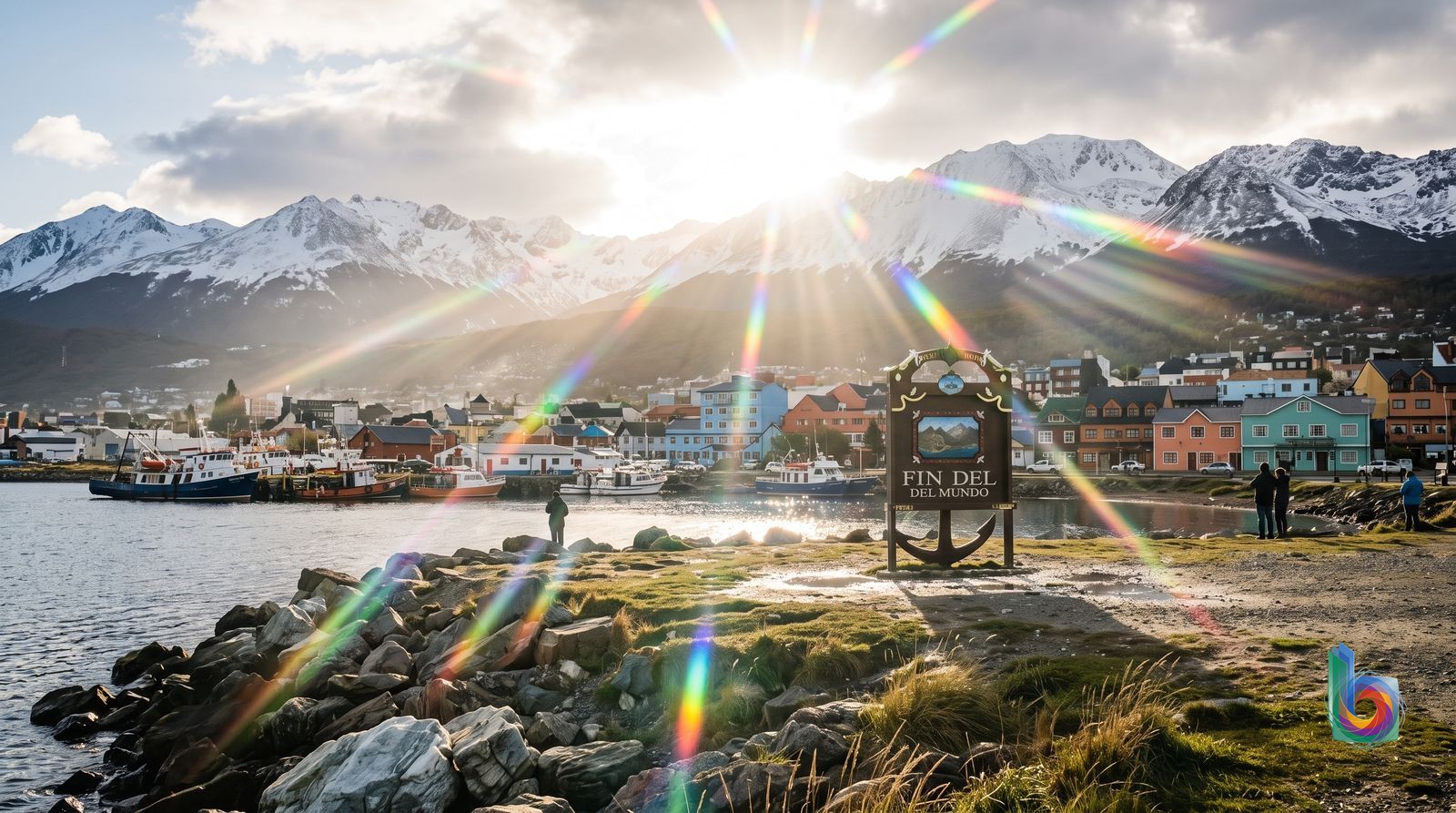
The Beagle Channel-facing edge around the port is where boat excursions, the waterfront sign, and much of the city’s outward-facing tourism happen. It is visually open and useful rather than atmospheric: expect docks, coaches, wind, and people waiting for departures.
Vs. others: Pick Puerto over Centro if Beagle Channel boat departures and water views are your priority; pick Centro if you want more choice for everyday meals and errands a block or two inland.
Best for: first-timers, families, luxury, rail-day-trips
Cruise and tour-group traffic can make the promenade and nearby cafés feel transactional. · Exposure to Beagle Channel wind is real, even when the rest of town seems mild. · Waterside lodging tends to trade neighborhood character for convenience and views.
See hotels in Puerto and waterfrontLocal streets just above downtown
A few blocks uphill from San Martín, this is a practical residential extension of the center: guesthouses, small hotels, homes, and better odds of escaping the busiest shopfronts without losing walkability. It is still urban Ushuaia, not a secluded lodge district.
Vs. others: Pick Gobernador Paz over Centro if you want a quieter, more residential sleep while keeping downtown walkable; pick Centro if steepish return walks and a few extra blocks will annoy you.
Best for: value, families, return-visitor, quiet
The uphill walk is more noticeable with rain, ice, wind, or bags. · There is less to do after dinner than in Centro. · Views vary sharply by block; do not assume every uphill address has a channel panorama.
See hotels in Gobernador Paz and lower residential centerViews above town, slopes below forest
Alem marks the climb from central Ushuaia into residential hillsides. Hotels and homes here can have broad Beagle Channel views and a calmer feel, but the address matters: this is a slope, not a flat extension of downtown, and its appeal is largely the trade of walking convenience for outlook.
Vs. others: Pick Avenida Alem over Gobernador Paz if a higher viewpoint and more separation from downtown matter; pick Gobernador Paz if you want the easier walk back from dinner and excursion pickups.
Best for: quiet, families, return-visitor, travelers wanting views
Steep streets are a genuine daily inconvenience, especially in wind, rain, snow, or ice. · Restaurants and shops are sparse compared with Centro. · The hillside right-of-way rule for vehicles is worth remembering on steep roads.
See hotels in Avenida Alem and the central hillsideForest-edge hotels, mountain access
The road toward Martial Glacier is Ushuaia’s classic lodge-and-view zone: more trees, more space, and a clear sense of being above the town. It suits travelers who want the mountain close, not travelers who want to wander out for a late dinner or solve every excursion on foot.
Vs. others: Pick Camino al Glaciar Martial over Avenida Alem if forest setting and access toward the glacier outweigh downtown convenience; pick Avenida Alem if you still want a realistic walk to central restaurants.
Best for: quiet, luxury, families, hikers, return-visitor
You will rely on taxis, hotel transfers, or planned transport more often. · Weather changes quickly higher up, and wind and snow can make the setting feel isolated rather than romantic. · Dining and casual evening options are limited outside the hotel or lodge.
See hotels in Camino al Glaciar MartialResorts, channel outlooks, separation
West of the core, the Bahía Golondrina side is where larger resort-style stays make sense: broad channel views, wooded slopes, and a deliberate remove from the commercial center. It is a stay-first area, not a district to choose for spontaneous city wandering.
Vs. others: Pick Bahía Golondrina over Camino al Glaciar Martial if channel-facing resort comfort is the goal; pick Camino al Glaciar Martial if hiking access and a more mountain-oriented setting matter more.
Best for: luxury, quiet, families, couples
Its isolation turns simple dinners, boat check-ins, and shopping into transport decisions. · A resort can feel detached from Ushuaia rather than embedded in it. · Wind exposure and weather can limit the usefulness of those channel-facing outdoor spaces.
See hotels in Bahía Golondrina and the western resort slopeOpen bay walk, practical west edge
This flatter western stretch centers on the enclosed bay and the approach toward the airport. It is useful for a waterfront stroll and can work for travelers who value space and airport-side convenience, but it has less of the compact, all-hours visitor energy of Centro.
Vs. others: Pick Bahía Encerrada over Centro if you prefer a quieter bay-side walk and a less commercial setting; pick Centro if boat departures, restaurants, and tour logistics are the reason you chose Ushuaia.
Best for: families, quiet, value, short-stay travelers
The bay is scenic in good conditions but very exposed when the wind is up. · It is not the most convenient place for early port departures or a late meal. · Airport proximity does not make it a substitute for staying downtown if most of your time is tours.
See hotels in Bahía Encerrada and airport sideFunctional city, not a visitor base
East of downtown, Ushuaia becomes more industrial and service-oriented. This is part of the real city rather than a danger zone, but it has little reason to be a leisure base unless a specific accommodation deal or work purpose outweighs the loss of atmosphere and walkable visitor conveniences.
Vs. others: Pick Centro over the industrial corridor if you want to walk to Ushuaia’s museums, port, and restaurants; choose the industrial side only if a particular budget stay or practical obligation is compelling.
Best for: budget, return-visitor
The streetscape is functional, with warehouses, traffic, and fewer visitor-oriented places to wander. · There are fewer dining and evening options, making it inconvenient after tours. · It is generally safer than much of Argentina, but the quiet, industrial feel gives no advantage for solo late-night walking.
See hotels in East Ushuaia industrial corridorCoastal walks beyond the compact city
East of the center, Playa Larga is a shoreline escape rather than an urban neighborhood. Come for the Beagle Channel edge, fresh air, and a break from San Martín’s retail-tourism rhythm; do not expect a self-contained district full of services.
Vs. others: Pick Playa Larga over Puerto if you want a quieter coastal walk rather than boat-tour bustle; pick Puerto if your time is short and you need services, departures, and dining close together.
Best for: quiet, families, return-visitor, hikers
Services are sparse, so it is a poor base for daily tours and meals. · Wind and fast-changing weather can cut a shoreline outing short. · Bus coverage exists but should not be treated as frequent, all-purpose tourist transport.
See hotels in Playa Larga and the eastern Beagle coastResidential valley, outdoors over convenience
North of the central slopes, Andorra is a spread-out residential valley with a more local, outdoorsy feel than the harbor city. It can suit cabins or longer stays, but it is not the Ushuaia most first-time visitors picture, and its distance changes the rhythm of every dinner and tour day.
Vs. others: Pick Valle de Andorra over Camino al Glaciar Martial if you want a more residential valley and potentially better value; pick Camino al Glaciar Martial if you want established lodge comfort and simpler access toward the glacier.
Best for: quiet, value, families, return-visitor, hikers
Distance from Centro can make a cheap room expensive in time and taxi rides. · Amenities are scattered and evenings are quiet. · Winter conditions and hillside/valley roads can make the location less forgiving than a central base.
See hotels in Valle de AndorraWhere to stay