- Pace
- Use one hotel base; the district is only 2.97 km², and its far ends are about 30–40 minutes apart on foot or a short tram/U-Bahn ride. Allow two full days for Freud, the medical museums and neighborhood time; add a third for a Volksoper or WUK night and a booked Liechtenstein Palace tour. Stay around Servitenviertel/Berggasse for handsome streets and easy walking, or Währinger Straße–Volksoper for U6 access and a more local, nightlife-oriented feel.
- When to go
- May–June and September–October are the best all-round windows: mild enough for long walks, café terraces and evening culture, with September–October strongest for a serious, less summery visit. January–February works well for museums and performances if you accept cold, short days and ball-season hotel spikes; July–August can be hot and has a thinner Volksoper calendar. December is appealing for the University Campus Christmas Village, but book early for Advent weekends.
- Daily budget
- €210–330/day
Alsergrund, Vienna’s compact ninth district, is an urban Vienna base rather than a destination unto itself: a dense wedge north of the old city shaped by universities, hospitals, cafés, apartment streets and intellectual history. Come for Freud, medical history, Baroque interiors, operetta and student culture—not the capital’s headline imperial sights. It rewards travelers who prefer lived-in streets and serious small museums to a checklist of grand monuments.
Known for
- The Sigmund Freud Museum at Berggasse 19
- The Josephinum’s anatomical waxes and the Narrenturm pathology collection
- The Liechtenstein Garden Palace and its Princely Collections
- Volksoper performances: opera, operetta, musical theatre and ballet
- WUK’s independent concerts, club nights and alternative culture
- Servitenviertel’s café-and-bistro atmosphere
Where to go
Servitenviertel
1Short stop · 0.5 days
Servitenviertel
The district’s best base and its most enjoyable streets: café tables, small shops and polished neighborhood restaurants around Servitengasse. Come here for unhurried meals and the part of Alsergrund that feels most gracefully residential.
couplessolo travelersrepeat visitorsfoodies
Explore Servitenviertel Berggasse and the Freud Quarter
2Berggasse and the Freud Quarter
Short stop · 0.5 days
Alsergrund’s essential historical stop, centered on the Sigmund Freud Museum at Berggasse 19 and the surrounding Jewish-intellectual Vienna streetscape. Give the museum proper time, then stay in the neighborhood for coffee or an old-school Viennese meal.
first-timershistory travelersmuseum lovers
Rossau and the Liechtenstein Quarter
3Rossau and the Liechtenstein Quarter
Short stop · 0.75 days
A quiet, aristocratic pocket for the Liechtenstein Garden Palace and its serious Old Master collection. It rewards travelers who book ahead; the palace is tour-based, not somewhere to casually pop into.
art loversrepeat visitorscouples
Währinger Straße Medical Quarter
4Währinger Straße Medical Quarter
Short stop · 0.5–0.75 days
The clearest expression of Alsergrund’s medical history: the refined Josephinum and the much more confronting Narrenturm pathology collection sit close together. Do both only if anatomical specimens are genuinely your thing.
science travelershistory travelerscurious adults
University Campus / Altes AKH
5University Campus / Altes AKH
Short stop · 0.25–0.5 days
The former General Hospital is now a lived-in university campus of courtyards, passages and green pauses between museums. It is most useful as an antidote to sightseeing overload, and especially good in Advent when its Christmas village runs.
walkersfamiliesstudents
Volksoper and the Nussdorfer Straße–Volksoper strip
6Volksoper and the Nussdorfer Straße–Volksoper strip
Short stop · 0.25 days
Choose this stretch for a proper Vienna night at the Volksoper—opera, operetta, musicals or ballet without the ceremonial pressure of the State Opera. Eat nearby before curtain rather than wasting the evening crossing the city.
performing-arts fanscouplesfirst-timers
WUK and Michelbeuern
7WUK and Michelbeuern
Short stop · 0.5 days
A converted industrial complex and surrounding neighborhood that supply Alsergrund’s independent, less polished nightlife. Go when there is a specific concert, club night or event worth seeing; otherwise it is not a mandatory daytime detour.
nightlife travelersmusic fansyounger travelers
Lichtental, Althangrund and Spittelau
8Lichtental, Althangrund and Spittelau
Short stop · 0.5 days
The district’s rougher northern end—rail infrastructure, university buildings, canal edges and ordinary residential life rather than postcard Vienna. Best approached as a long, unscripted walk or a practical transport-friendly base after seeing the southern highlights.
repeat visitorslong-stay travelersurbanists
Don't miss
1
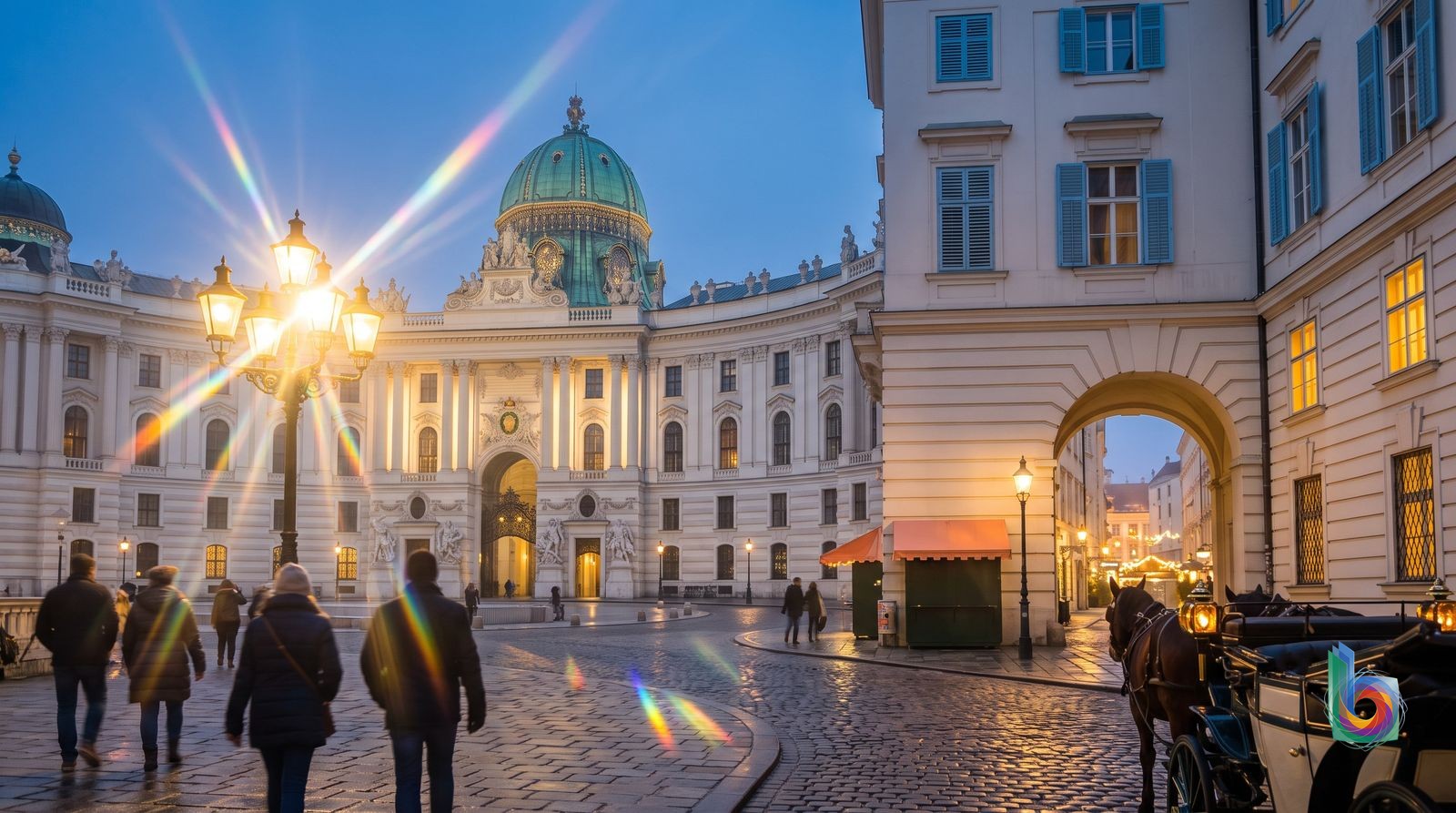
HofburgInnere Stadt (1)
The former imperial complex is the organizing monument of central Vienna, even if you choose not to enter every component. Use it as a walk-through between the old town, the Ring, and the museum district; select one interior attraction rather than trying to do the whole complex.
2
Belvedere PalaceLandstraße (3)
Come for the outstanding Austrian art collection, especially Klimt, and for the formal palace-and-garden setting rather than treating it as a quick photo stop. The Upper Belvedere is the essential visit; add the gardens and lower palace only if your museum appetite is high.
3
MuseumsQuartier WienNeubau (7)
This is both a cultural campus and one of Vienna's most useful places to pause between museums, cafés, and the inner city. Choose a museum based on your interests rather than attempting them all, then use the courtyards for a break.
4
PraterInner East
The Prater combines a huge public green space with the old-fashioned amusement zone around the Giant Ferris Wheel. It works best as an evening change of pace after central Vienna, whether or not you ride anything.
5
Schönbrunn PalaceHietzing (13)
Vienna's grandest imperial outing needs enough time for both selected palace rooms and the grounds. Prioritize the interior if it is your first imperial palace visit, then wander the gardens rather than trying to cover every paid attraction on site.
6
St. Stephen's CathedralInnere Stadt (1)
St. Stephen's is the visual and geographic heart of the old city, and its exterior, nave, and surrounding lanes reward even a short stop. Pay for a tower or catacomb visit only if you want the specific view or history; the main experience is the church in its urban setting.
Getting your bearings
Pins are the top attractions, ranked by the corner badge — click one for details.
The mental map
Think south to north. The south—Berggasse, Schlickgasse, Servitenviertel and the University Campus—is the prettiest, most café-rich and closest to the center; the middle around Rossau, Liechtenstein and Währinger Straße is the culture-and-medicine core. North around Volksoper, WUK, Lichtental, Althangrund and Spittelau is younger, grittier, more residential and more transport-oriented.
When to go
May–June and September–October are the best all-round windows: mild enough for long walks, café terraces and evening culture, with September–October strongest for a serious, less summery visit. January–February works well for museums and performances if you accept cold, short days and ball-season hotel spikes; July–August can be hot and has a thinner Volksoper calendar. December is appealing for the University Campus Christmas Village, but book early for Advent weekends.
Pacing a visit
Use one hotel base; the district is only 2.97 km², and its far ends are about 30–40 minutes apart on foot or a short tram/U-Bahn ride. Allow two full days for Freud, the medical museums and neighborhood time; add a third for a Volksoper or WUK night and a booked Liechtenstein Palace tour. Stay around Servitenviertel/Berggasse for handsome streets and easy walking, or Währinger Straße–Volksoper for U6 access and a more local, nightlife-oriented feel.
Book before you land
Liechtenstein Garden Palace public guided tour — access is tour-only and dates are limited, so reserve before arriving. · Volksoper Wien performances on popular dates, especially weekends and sought-after operetta, musical and ballet productions. · Specific WUK concerts or club events that you actively want to attend; buy through WUK’s own event page, not resale sites.
Getting in
VIEVienna International Airport
The default international gateway. Take Railjet/ÖBB services toward Wien Hauptbahnhof or Wien Mitte, then connect by U-Bahn or tram to Alsergrund; use ÖBB or WienMobil on the day because airport rail works and diversions do happen. The CAT is faster-looking than it is useful for most Alsergrund hotels and costs substantially more than regular rail.
Flights and transfers into ViennaWien Hauptbahnhof
The main arrival point for international and long-distance trains, including many services from Germany, Hungary, Czechia and Italy. It is not in Alsergrund, but U1/U4/tram connections make it a straightforward 25–40-minute onward trip depending on your hotel.
Wien Meidling
Some international and western Austrian long-distance trains stop here instead of, or before, the Hauptbahnhof. It is a functional rail gateway rather than a place to linger; use U6 for the Volksoper/Währinger Straße side of the district or change onward for the southern end.
Wien Franz-Josefs-Bahnhof
Useful mainly for regional trains from the north and northwest, rather than for most international arrivals. It is on Alsergrund’s northern edge, making it convenient for Althangrund, Lichtental and Spittelau bases.
Before you go
Questions worth settling
How many days should I allow for Alsergrund?
Allow two full days for the Sigmund Freud Museum, the Josephinum or Narrenturm, cafés and time in Servitenviertel or the University Campus. Add a third day if you want a Liechtenstein Garden Palace tour and a Volksoper or WUK night without rushing.
Where should I stay in Alsergrund?
Base yourself in Servitenviertel or around Berggasse for the prettiest streets, cafés and easiest walk toward central Vienna. Choose the Währinger Straße–Volksoper area instead if U6 access, evening performances and a more local, nightlife-oriented feel matter more.
Which parts of Alsergrund should I combine in one day?
Pair Berggasse and the Freud Quarter with Servitenviertel, then add the University Campus / Altes AKH for a slower walk. Combine the Josephinum and Narrenturm in the Währinger Straße Medical Quarter; Rossau and the Liechtenstein Quarter work best when you have pre-booked the palace tour.
Do I need a visa to visit Vienna?
Austria is in the Schengen Area: EU/EEA and Swiss citizens do not need a visa, while visitors from the US, Canada, Australia, Japan, New Zealand, Israel and many other countries can usually stay visa-free for up to 90 days in any 180-day period. Other nationalities may need a Schengen C visa, so check Austria’s official guidance and the live EES/ETIAS position before booking.
Do I need a car, and how do I get around?
Do not rent a car for Alsergrund; parking is troublesome, garages are expensive, and the district is compact. Walk where possible, use U4 for Rossau/Friedensbrücke, U6 for Währinger Straße, Michelbeuern and Volksoper, and rely on trams for the gaps; check WienMobil for live diversions.
When is the best time to visit Alsergrund?
May–June and September–October are the best all-round periods for walking, café terraces and evening culture, with September–October especially strong for theatres and local life. January–February suits museums and performances if you accept cold, short days and ball-season demand; July–August can be hot and the Volksoper has a thinner calendar.
What should I book ahead?
Reserve the Liechtenstein Garden Palace public guided tour before arrival, as access is tour-only and dates are limited. Also book popular Volksoper performances, any WUK concert or club event you specifically want, and Friday or Saturday dinner in Servitenviertel—especially before a Volksoper curtain time.
Known for
- The Sigmund Freud Museum at Berggasse 19
- The Josephinum’s anatomical waxes and the Narrenturm pathology collection
- The Liechtenstein Garden Palace and its Princely Collections
- Volksoper performances: opera, operetta, musical theatre and ballet
- WUK’s independent concerts, club nights and alternative culture
- Servitenviertel’s café-and-bistro atmosphere
