How many days do I need for a first visit to Vancouver?
Give Vancouver 3 full days: one for downtown, the West End and Stanley Park; one for False Creek, Granville Island and a neighbourhood such as Kitsilano or Mount Pleasant; and one for the North Shore, UBC or a food-focused Richmond outing. Two days works for the headline waterfront-and-park version, but it will feel rushed.
Where should I stay on my first trip?
Stay downtown or in the West End for the easiest first visit: you can walk to the seawall, Stanley Park, Coal Harbour, Canada Place, Gastown and much of False Creek, while SkyTrain connections are close by. Yaletown is a good polished alternative; choose Kitsilano, Main Street or Richmond only if their neighbourhood character or food is a priority and you accept more bus travel.
Do I need a car in Vancouver?
No—not for a downtown-based first visit. Use walking, SkyTrain, buses, the SeaBus and perhaps a bike; parking is expensive and traffic, bridges and North Shore bottlenecks make driving worse than it looks on a map.
What should I book before I arrive?
Do not build the trip around advance tickets for Stanley Park, the seawall, Granville Island, Gastown or beaches: they are best handled flexibly around the weather. Book the Aquarium for summer weekends, school holidays or rainy days; reserve Capilano Suspension Bridge Park or Grouse Mountain for a peak-season North Shore day; and secure performances, sports, whale-watching and festival tickets once dates are fixed.
What is the best way to get from YVR airport to downtown?
Take the Canada Line SkyTrain from the terminal to Vancouver City Centre or Waterfront; it takes about 25 minutes and costs roughly C$11–12 one way including the airport add-on. A taxi is mainly worth it for heavy luggage, small children or a hotel well away from SkyTrain.
When is the best time to visit Vancouver?
For the strongest balance of usable outdoor weather and manageable crowds, choose late spring or September; June is also excellent for long days and outdoor plans. July and August are warmest and liveliest but bring the highest hotel prices and packed waterfronts, while November through March are often grey and wet rather than snowy.
Should I plan around Celebration of Light or Pride?
Only if you actively want the event. Late-July Celebration of Light makes English Bay and the West End extremely crowded for its three fireworks nights, and early-August Pride increases central hotel demand and route congestion; book downtown accommodation early or stay elsewhere if you want a quieter trip.
Is Vancouver easy to get around without a transit pass?
Yes: tap a contactless credit or debit card at SkyTrain and SeaBus gates, then use buses for the West End, Kitsilano, Granville Island, UBC and other places rail does not reach. Do not assume SkyTrain covers everything—Vancouver’s most interesting neighbourhoods often require a bus, walk or bike at the end.
Is the North Shore worth prioritizing on a first trip?
Yes if you want the mountains-and-forest side of Vancouver, but treat it as a half- or full-day outing rather than something to squeeze between downtown sights. Capilano and Grouse are popular paid choices; weather can erase views, so keep a flexible backup plan in the city.
What should I know about safety and nightlife areas?
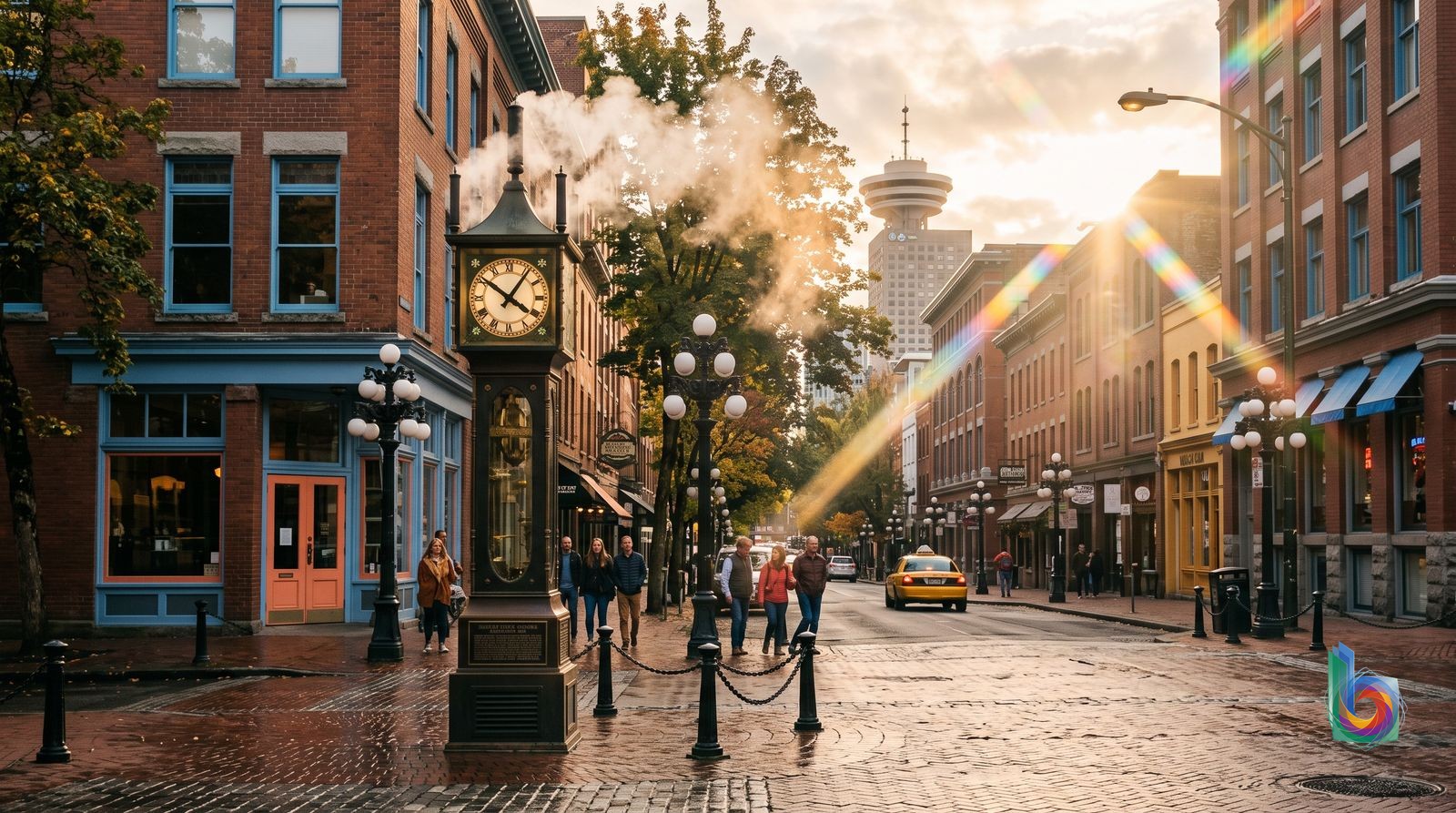
Gastown is worth visiting, but avoid casually wandering east along Hastings after dark, particularly through the Downtown Eastside, where homelessness and open drug use are acute. Granville Street between Smithe and Hastings is the loud, alcohol-heavy bar strip on weekend nights; use another route if that is not your scene.


 1


