January–March
Quiet winter in a strongly seasonal beach resort. Weather is cooler and variable; the sea is not the reason to come, and many beach services, bars and excursions operate on a reduced basis or are closed.
Limited resort atmosphere and a much smaller choice of dining, drinking and organised activities.
April–mid-May
Spring shoulder season: increasingly pleasant for being outdoors, with less heat and fewer people than summer. The resort is beginning to wake up, but the sea and full beach scene may not yet be reliable for every traveller.
Not all seasonal businesses and beach services may be fully operating; swimming conditions are less dependable than from late May.
Late May–June
One of the best all-round windows: the sea is swimmable, daytime heat is more manageable than high summer, and Ayia Napa is fully functioning without its absolute peak pressure.
It is already busy, especially around Nissi Beach, and prices rise as summer approaches.
July–August
Peak Ayia Napa: reliably hot, dry and intensely lively, with August daytime highs around 33°C. Beaches, bars and the resort corridor are at their fullest, and nightlife is the main event.
Expect crowds, noise, strong sun, traffic and limited space at Nissi Beach. Accommodation needs booking well ahead; arrive early for sunbeds and umbrellas.
September–early October
The other standout period: the sea remains warm enough for swimming, heat eases, and the town is still operating properly after the high-summer crush.
Early September can still feel busy and hot; the seasonal wind-down begins as October progresses.
Mid-October–December
Autumn moves into the quiet season. Days can still suit walking and occasional beach time, but the resort increasingly closes down and weather becomes less reliable.
A reduced choice of beach facilities, bars, excursions and nightlife; do not plan a full summer-resort experience.
Walking
Monastery Square & Town Centre, the harbour, Pantachou Beach and western Grecian Bay. The harbour-to-centre walk is roughly 10–15 minutes, and this is the best way to handle dinner, the beach and nightlife when staying centrally.
Treat the square/monastery as the central reference point. Walk downhill to the harbour; carry water and avoid making midday heat an athletic event.
Walking stops being practical on the stretched resort coast: Nissi Beach is about 4 km from the square, Makronissos is farther west, and Cape Greco Road/Sculpture Park is not a casual summer walk. The short climb from the harbour back to the centre is noticeable in heat; eastern Grecian Bay hotels can also be a taxi ride from town.
Local bus
Moving along the main resort corridor between central Ayia Napa, Vathia Gonia (Sandy Bay), Nissi Beach and Makronissos, especially when you want to avoid driving or paying for repeated taxis.
Check the current timetable before committing to a beach or dinner plan. Use the official spelling “Agia Napa” as well as “Ayia Napa” when searching stops and services.
Buses connect the corridor but are not frequent or dependable enough to dictate a beach day. They are a weak fit for late nights, scattered Cape Greco Road accommodation and Ayia Thekla; do not assume a convenient return after drinks or after dark.
Taxi
The easiest choice for short hops between the centre, Grecian Bay, Nissi and Makronissos; it is the realistic evening transport for Cape Greco Road and Ayia Thekla. It is also the sensible ride home after nightlife around Monastery Square.
Taxis are plentiful around the town and harbour. Insist on the meter or agree the total fare before leaving, particularly for longer rides or a late-night pickup.
Repeated beach hops and trips from the far west add up. At peak nightlife hours, plan ahead rather than assuming an immediate car from the square, Nissi or a remote villa.
Bicycle
Confident riders making daylight trips along the resort corridor or to the Cape Greco-side scenery. Bikes are widely available and Ayia Napa has cycle lanes.
Use a bike for a flexible daytime alternative to buses between the centre, Vathia Gonia and Nissi, or for Cape Greco only if you are comfortable riding in heat and traffic. Take water, sun protection and suitable footwear for stops on rocky paths.
This is not a carefree option in midsummer heat, after dark, or on busy resort roads. It works poorly for Makronissos or Ayia Thekla if you want effortless evening access to town, and Cape Greco’s exposed sections are not for hesitant cyclists.
Rental car
Exploring beyond Ayia Napa, including Cape Greco and the more spread-out Ayia Thekla villa coast. It gives the most flexibility for groceries, beaches and day trips when based away from town.
Book a car only if you will actually leave the resort corridor. Cyprus drives on the left; use it for daytime exploration and leave it parked for nights out.
It is more burden than benefit in central Ayia Napa, where seasonal traffic and parking are tiresome. Never make it a nightlife plan: drink-driving laws are strict, and Makronissos, Ayia Thekla and Cape Greco visitors should budget for taxis if drinking.
Moped or scooter
Experienced riders only, and only for short daytime mobility when a bicycle feels too slow and a car is unnecessary.
If you choose one, ride defensively, use proper protective gear and avoid alcohol completely.
Skip it if you are not an experienced rider. Busy summer roads, heat, traffic and resort driving make this the city’s worst-value transport gamble; Wikivoyage’s “death trap” warning is worth taking seriously.
Safety: Stay within marked swimming areas, avoid scooters and cliff-jumping at the sea caves, and take a taxi—not a rental car—after drinking around the square.
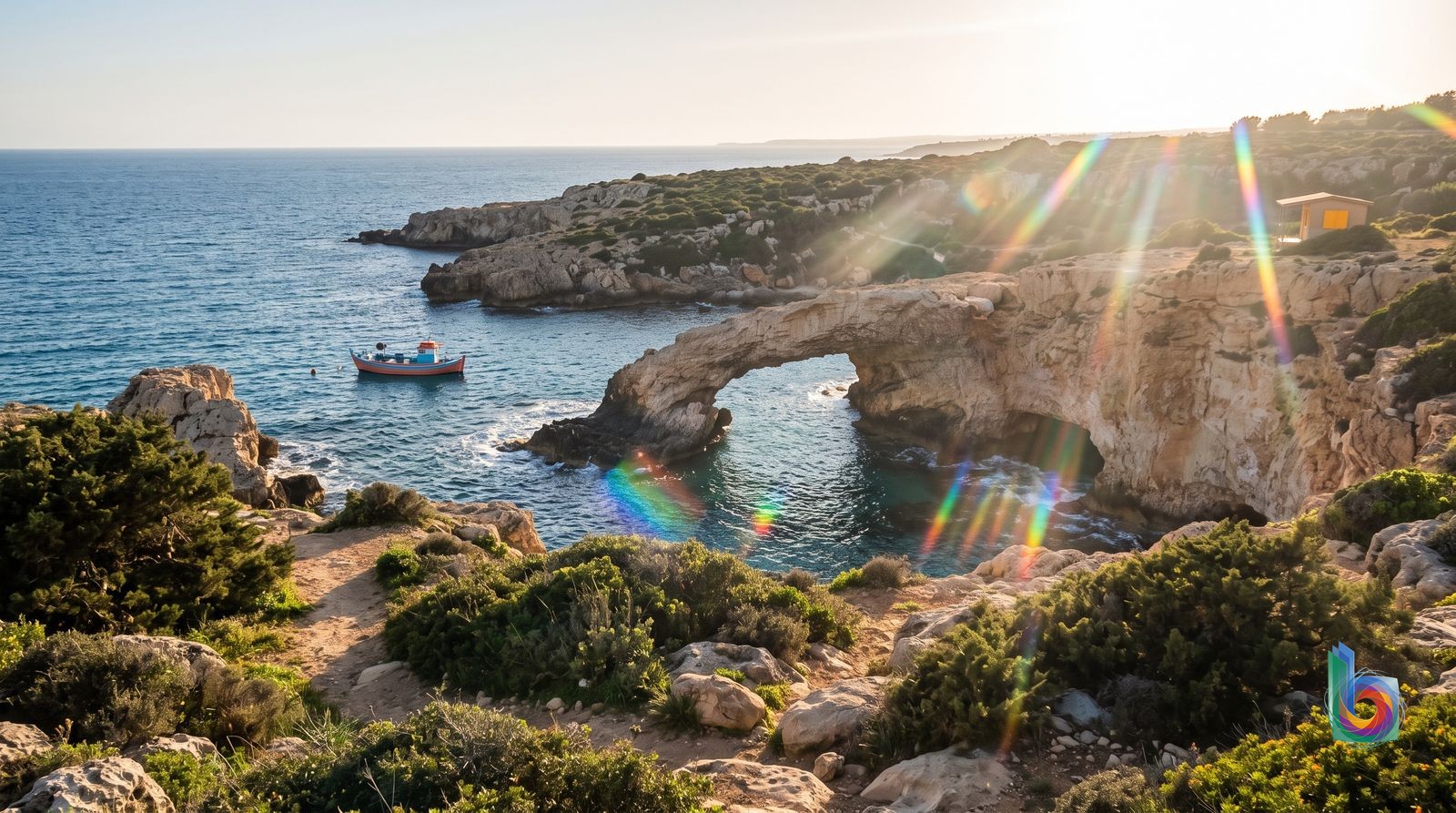
Cape Greco National Forest Park, sea caves and Konnos BayHalf day; allow 4–6 hours door to door, longer if you walk much of the coast.
This is the essential escape from Ayia Napa’s built-up resort strip: a genuinely dramatic limestone headland, clear-water coves and coastal walking. Do it independently rather than buying a cave cruise; the sea caves can be seen from above and reached on the E4 coastal path. Konnos Bay adds a sheltered swim stop. It beats another afternoon around Nissi Beach if you want landscape rather than DJs and sunbeds.
Famagusta old city and VaroshaFull day; realistically 7–9 hours including transport, border formalities and walking.
If you can handle the border logistics, this is the excursion with the biggest historical payoff: Famagusta’s substantial walled city is a sharp counterpoint to Ayia Napa’s purpose-built holiday economy, while nearby Varosha is the island’s most unsettling modern-history sight. Go for the history, not as a beach day. Access arrangements and what is visitable in Varosha can change, so check current crossing and site rules before committing.
Larnaca: old town, salt lake and Hala Sultan TekkeFull day, or a long half day if using a taxi; allow roughly 45–60 minutes each way from Ayia Napa.
Larnaca is not prettier than Ayia Napa’s beaches, but it offers what the resort largely does not: a lived-in Cypriot city, a worthwhile waterfront walk and the salt-lake landscape around Hala Sultan Tekke. Choose it on a windy beach day or when you need a break from the resort circuit; do not choose it expecting a major museum-city.
Researched Nov 16, 2026