- Pace
- Use one hotel base, ideally within a short walk of an S-Bahn or U-Bahn station; changing hotels within Berlin is needless friction. Four full days is the realistic minimum for a first visit, while six or seven days allows room for museums, neighborhood wandering, and one or two lake or outer-district days. Central cross-city trips are often 20–30 minutes, but Köpenick, Spandau, Wannsee, or Tegel can take 45–75 minutes door to door, so plan one side of the city per day rather than zigzagging.
- When to go
- May–June is Berlin’s best all-round window: long evenings, parks, canal life and lake weather, before the full pressure of high summer. September is the smartest alternative for museums, neighborhoods and cultural calendars, with milder crowds and better light. Choose January–April for value and indoor culture, or late November–December only if Christmas markets outweigh short, damp days; avoid major event weekends if you want easy hotel prices and quiet central streets.
- Daily budget
- €210–350
Berlin is Germany’s capital and a city-state: one sprawling, polycentric metropolis rather than a compact old city or a region of separate towns. It is a place of imperial monuments, Nazi and Cold War history, heavyweight museums, socialist-era architecture, nightlife and counterculture—but its everyday appeal lies in the contrast between distinct neighborhoods, immigrant food cultures, canals, parks, and unexpectedly wooded, watery outer districts.
Known for
- 20th-century history: the Nazi era, the Berlin Wall, and the divided-city years
- Major museums and cultural institutions, especially in Mitte and Museum Island
- Nightlife, clubs, electronic music, and countercultural life
- Architecture spanning Prussian grandeur, West Berlin modernism, socialist modernism, and adaptive reuse
- Turkish-German and highly international food culture
- Distinct neighborhood life, plus lakes, waterways, and forests within the city-state
Where to go
Mitte
1Short stop · 1–1.5 days
Mitte
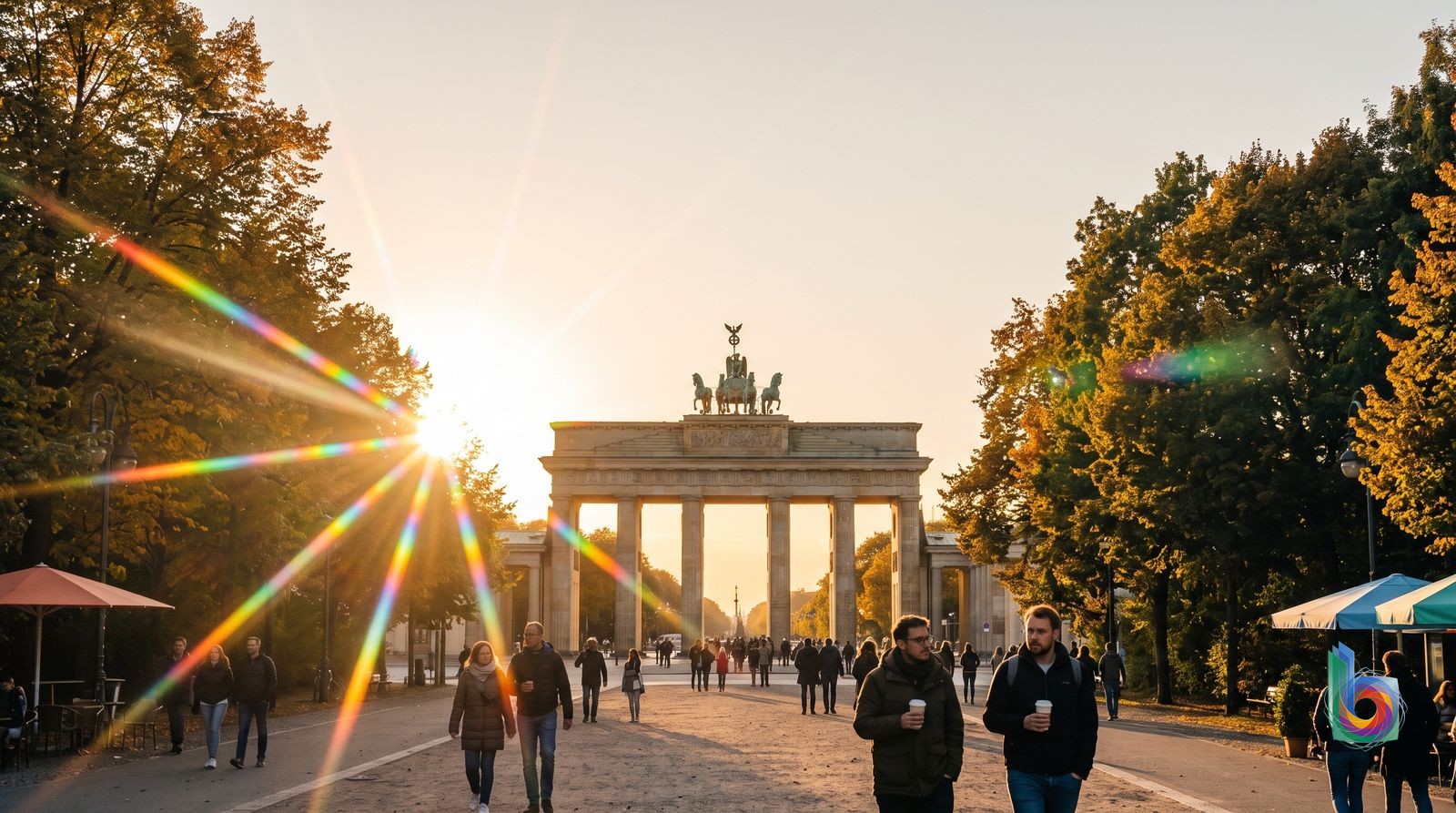
The essential first-contact Berlin: Brandenburg Gate, Reichstag, Holocaust Memorial, Unter den Linden, and the institutional core. It can feel curated and quiet after work, but skipping it on a first trip is a mistake.
first-timershistory loversmuseum-goersshort stays
Explore Mitte Museum Island and Alexanderplatz
2Museum Island and Alexanderplatz
Short stop · 0.5–1 days
Berlin’s concentrated museum-and-monument circuit, from Museum Island and the Humboldt Forum to the TV Tower and Alexanderplatz’s blunt socialist scale. Pick one or two museums rather than attempting the whole island; the Pergamonmuseum is closed until July 2027.
first-timersart loversarchitecture fans
 3
Kreuzberg
Short stop · 0.5–1 days
Come for Turkish-German food, canals, independent culture, and the city’s political, late-night edge. Bergmannkiez is relaxed; Kottbusser Tor and Oranienstraße are louder, messier, and more compelling.
foodiesnightlife travelersLGBTQ+ travelers
 4
Friedrichshain
Short stop · 0.5–1 days
The practical stop for the East Side Gallery, riverside walks, RAW-Gelände, street art, and club-oriented Berlin. Stay away from treating Warschauer Straße as charming—it is useful, hectic, and often overrun.
nightlife travelersyounger travelersstreet-art fans
Prenzlauer Berg
5Prenzlauer Berg
Short stop · 0.5 days
Restored east-Berlin streets, good bakeries and cafés, Kollwitzplatz, and Mauerpark make this the city’s softer, more residential side. It is an excellent base when you want easy access without Kreuzberg’s noise.
couplesfamiliesdesign-minded travelers
Charlottenburg and City West
6Charlottenburg and City West
Short stop · 1–1.5 days
West Berlin’s grand counterweight to Mitte: Kaiser Wilhelm Memorial Church, Ku’damm, Savignyplatz, Zoo Berlin, serious hotels, and classical art. It is more polished than edgy, which is exactly the point.
familiesart loversmature travelers
 7
Neukölln
Short stop · 0.5–1 days
North Neukölln is for dense, lived-in Berlin—Turkish and Middle Eastern food, Maybachufer, Sonnenallee, Weserstraße bars, and late dinners. Use it for eating and atmosphere, not landmark collecting.
foodiesbudget-conscious travelersnightlife travelers
Schöneberg and Tempelhof
8Schöneberg and Tempelhof
Short stop · 0.5 days
Pair Schöneberg’s queer history, handsome streets, and restaurant scene with Tempelhofer Feld, the former airport turned enormous public park. The field is uniquely Berlin, though exposed and miserable in poor weather.
LGBTQ+ travelersfamiliesarchitecture fans
Treptow-Köpenick
9Treptow-Köpenick
Short stop · 0.5 days
Berlin’s best internal escape for water, woods, the Soviet War Memorial, old Köpenick, boats, and Müggelsee. Give it a half or full day; it is too far out to squeeze between central sights.
familiescyclistssummer travelers
Wannsee and Zehlendorf
10Wannsee and Zehlendorf
Short stop · 0.5 days
A deliberate southwest day for lakes, ferries, villas, and the House of the Wannsee Conference. It works best when weather supports the lake side of the trip; the memorial alone makes it worthwhile for serious history travelers.
history loverssummer travelersfamilies
Spandau and the Havel
11Spandau and the Havel
Short stop · 0.5 days
An old-town-and-waterways detour centered on Spandau Citadel and the Havel. It feels separate from central Berlin and deserves a dedicated outing, not a rushed add-on to a first three-day visit.
military-history fansarchitecture loversriver walkers
Don't miss
1
Berlin TV Tower
It is Berlin’s clearest orientation point and delivers the city’s most immediate big-picture view. Reserve it for a clear morning or a sunset slot, then use the surrounding Alexanderplatz only as a transit point rather than a destination.
2
Berlin Wall Memorial
This is the most affecting place to understand how the Wall shaped ordinary lives and the city’s physical fabric. Walk the outdoor route as well as the documentation center rather than treating it as a quick photo stop.
3
East Side Gallery
The painted surviving stretch of Wall is an essential Berlin image, but its value is strongest when treated as a walk along a contested former border rather than an art backdrop. Continue to the river end for the better sense of place.
4
Brandenburg Gate
Berlin’s most recognizable landmark is best used as the starting point for the civic and memorial landscape around it. It takes little time itself, so pair it with the Reichstag and the nearby Holocaust memorial.
5
Reichstag Building
The working parliament building is both an architectural landmark and the most memorable place to look over the government quarter. Its dome visit is worthwhile for first-timers, provided you plan it around the required registration.
6
Museum Island
This concentration of major collections is Berlin’s essential museum destination, even if you only enter one or two institutions. Choose museums by your interests rather than trying to rush the whole ensemble, and leave time to appreciate the island itself.
Getting your bearings
Pins are the top attractions, ranked by the corner badge — click one for details.
The mental map
Think in urban worlds rather than a single center. Mitte is the landmark-and-museum core; City West/Charlottenburg is elegant former West Berlin; Prenzlauer Berg is calmer and residential; Friedrichshain, Kreuzberg, and Neukölln supply Wall history, nightlife, food, and contemporary street life. Leave time for the outer districts—Treptow-Köpenick, Wannsee/Zehlendorf, and Spandau—when water, woods, memorial sites, or a slower pace matter more than ticking off central sights.
When to go
May–June is Berlin’s best all-round window: long evenings, parks, canal life and lake weather, before the full pressure of high summer. September is the smartest alternative for museums, neighborhoods and cultural calendars, with milder crowds and better light. Choose January–April for value and indoor culture, or late November–December only if Christmas markets outweigh short, damp days; avoid major event weekends if you want easy hotel prices and quiet central streets.
Pacing a visit
Use one hotel base, ideally within a short walk of an S-Bahn or U-Bahn station; changing hotels within Berlin is needless friction. Four full days is the realistic minimum for a first visit, while six or seven days allows room for museums, neighborhood wandering, and one or two lake or outer-district days. Central cross-city trips are often 20–30 minutes, but Köpenick, Spandau, Wannsee, or Tegel can take 45–75 minutes door to door, so plan one side of the city per day rather than zigzagging.
Book before you land
Reichstag dome visit — free, but advance online registration is required and desirable time slots disappear. · Berlin TV Tower — reserve a timed entry for sunset, weekends and peak-season dates. · Berlin Philharmonic, major opera and high-demand theater performances — book once dates are released if a specific show matters. · Timed entry for major temporary exhibitions and the most popular Museum Island museums during weekends, school holidays and summer.
Getting in
BERBerlin Brandenburg Airport
Berlin’s only commercial airport and the normal international gateway. It sits outside the AB fare zone: use an ABC ticket for the Airport Express/regional trains or S-Bahn into central Berlin; allow roughly 30–50 minutes door to door depending on your base.
Berlin Hauptbahnhof
The main long-distance rail hub for ICE services from German cities and international rail routes. It is central enough for Mitte but not automatically convenient for every hotel; continue by S-Bahn, U-Bahn, tram or taxi.
Berlin Central Bus Station (ZOB), Messe/ICC
The main coach terminal, useful for lower-cost FlixBus and international bus arrivals. It is in western Berlin, near Messe and Charlottenburg rather than the historic center, so plan an onward S-Bahn or U-Bahn transfer.
Before you go
Questions worth settling
How many days do I need for a first trip to Berlin?
Plan at least four full days for the essential sights in Mitte, Museum Island and Alexanderplatz, plus time in neighborhoods such as Kreuzberg, Friedrichshain or Prenzlauer Berg. Six or seven days lets you add a lake or outer-district day in Treptow-Köpenick, Wannsee and Zehlendorf, or Spandau.
Where should I stay in Berlin for a first visit?
Use one hotel base within a short walk of an S-Bahn or U-Bahn station; transit access matters more than being closest to the geographic center. Mitte suits landmark-and-museum priorities, Prenzlauer Berg is calmer and residential, Charlottenburg and City West is polished and convenient, while Kreuzberg or Friedrichshain suit food and nightlife.
Should I split my stay between central Berlin and the outer districts?
No—changing hotels within Berlin adds needless friction. Keep one base and dedicate separate half- or full-days to Treptow-Köpenick, Wannsee and Zehlendorf, or Spandau, since each can take 45–75 minutes door to door from central areas.
What is the easiest way to get around Berlin, including from BER Airport?
Use BVG/VBB public transport: the S-Bahn for longer cross-city hops, U-Bahn for central districts, trams especially in the east, and buses for gaps. An AB ticket covers nearly all visitor areas; buy ABC for Berlin Brandenburg Airport, then allow roughly 30–50 minutes to reach your base by Airport Express, regional train or S-Bahn.
Do I need a visa to visit Berlin?
Germany is in the Schengen Area: EU/EEA/Swiss nationals enter freely, while many visitors with UK, US, Canadian, Australian and Japanese passports can generally visit visa-free for up to 90 days in any 180-day Schengen period. Other nationalities may need a Schengen visa, so check current German Foreign Office requirements and passport validity before booking.
When is the best time to visit Berlin?
May–June is the best all-round period for long evenings, parks, canals and lake weather; September is the strongest alternative for museums, neighborhoods and cultural life with generally lighter crowds. Choose winter for indoor culture and potentially lower hotel prices, but expect short, damp or cold days; Advent is appealing for Christmas markets but busy and more expensive.
What should I book before arriving in Berlin?
Register ahead for the free Reichstag dome visit, and reserve Berlin TV Tower timed entry for sunset, weekends and peak dates. Book the Philharmonic, opera or high-demand theater as soon as dates are released, and reserve popular Museum Island museums or major temporary exhibitions for summer, weekends and school holidays; note that the Pergamonmuseum is closed until July 2027.
Known for
- 20th-century history: the Nazi era, the Berlin Wall, and the divided-city years
- Major museums and cultural institutions, especially in Mitte and Museum Island
- Nightlife, clubs, electronic music, and countercultural life
- Architecture spanning Prussian grandeur, West Berlin modernism, socialist modernism, and adaptive reuse
- Turkish-German and highly international food culture
- Distinct neighborhood life, plus lakes, waterways, and forests within the city-state