Visas & entry
Germany is in the Schengen Area. EU/EEA/Swiss citizens can enter without a tourist visa; US, Canadian, UK, Australian, New Zealand, Japanese and many Latin American passport holders are generally visa-exempt for visits of up to 90 days in any 180-day period. Check the German Foreign Office for your passport and any ETIAS requirement before travel, as rules can change.
Getting in
- Berlin Brandenburg Airport: Berlin’s only commercial airport and the normal international gateway. It is southeast of the centre in fare zone C; use an ABC transit ticket for the Airport Express/S-Bahn or allow for a taxi if arriving late with luggage.
- Berlin Hauptbahnhof: The principal rail arrival point for ICE trains from across Germany and international services via neighbouring hubs. It is central and well connected to Mitte, Kreuzberg, Prenzlauer Berg and City West by S-Bahn, U-Bahn, tram and bus.
- Berlin Central Bus Station (ZOB), Messe/Charlottenburg: Useful for long-distance coaches, particularly budget arrivals from Germany and Central Europe. It is in western Berlin rather than central; continue by S-Bahn/U-Bahn or taxi rather than choosing it as a sightseeing base.
Getting around
Do not rent a car: Berlin’s U-Bahn, S-Bahn, trams and buses cover the city far better than a car once parking, traffic and environmental-zone restrictions are considered. Stay in one hotel base and expect roughly 25–45 minutes to most inner districts; Wannsee, Spandau, Köpenick and Müggelsee can take 50–75 minutes each way. An AB ticket covers most visitor travel; buy ABC for BER airport and outer-zone trips. Use BVG/VBB journey planning, and keep a bicycle only if you are comfortable with busy streets, tram tracks and inconsistent bike infrastructure.
Money
Germany uses the euro (€). Cards are now widely accepted in hotels, museums and many restaurants, but Berlin still has cash-only or cash-preferred bars, kiosks, markets and small eateries, so carry some euros. Service is included; round up for casual service or leave roughly 5–10% for good table service rather than applying North American tipping norms.
Daily budget · EUR (€)
- Value
- €95–150
- Mid-range
- €210–340
- High-end
- €500–1,000+
- Per-person daily figures exclude international transport and assume a central-ish base, local transit and normal sightseeing.
- Value: hostel bed or simple inner/outer-city room (€35–80), bakery or supermarket breakfast, döner/currywurst/market meals, a few paid sights and public transport.
- Mid-range: a well-reviewed three- or four-star hotel or apartment-style room (€120–220), café breakfasts, one proper dinner, 1–2 paid attractions, transit and the occasional taxi. This is the realistic first-visit band if location matters.
- High-end: top central or City West hotel (€300–700+), serious restaurant dinners, premium opera/concert seats, guides and taxis. Spend extra on culture and food rather than simply upgrading the room.
- Hotel rates drive the budget most sharply, especially May–September, Christmas-market weekends, Berlinale and Berlin Marathon weekend. Concerts, timed museum entries, club nights and late-night taxis also add up.
- Berlin is no longer a cheap-capital bargain. Public transport is good enough that a rental car is usually an unnecessary parking and cost headache. A 24-hour AB ticket is €11.20; ABC, needed for BER airport and outer-zone trips, is €12.90.
Eating well
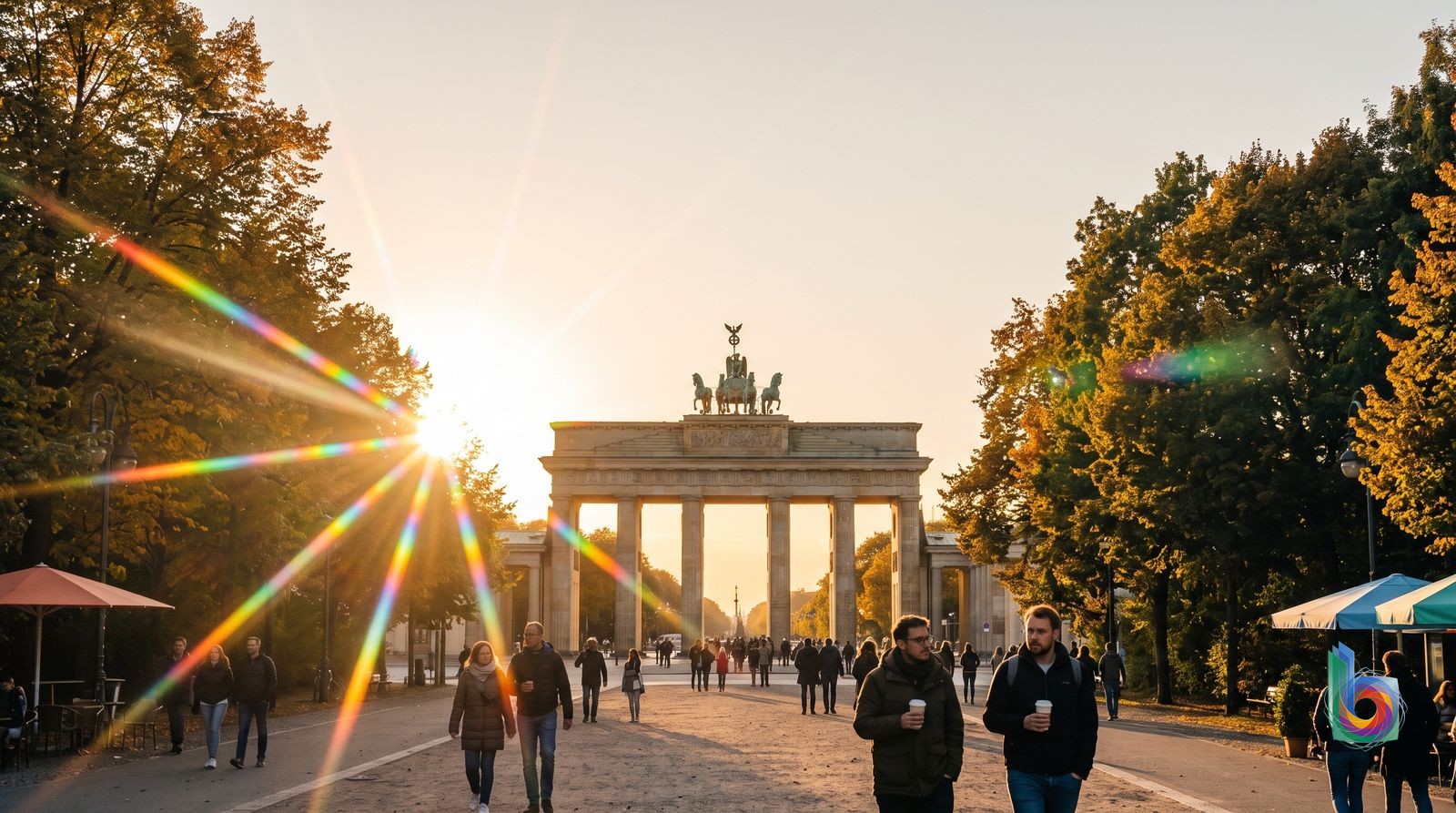
- Avoid making Brandenburg Gate or Checkpoint Charlie your default dining zone; use Mitte for one good dinner, not every meal.
- Reserve Friday and Saturday dinners, tasting menus and restaurants attached to major venues several weeks ahead. For sought-after tables, 18:00–20:00 remains a normal reservation window.
- For Turkish breakfast, weekend late morning is the busiest period. For market food, go at lunch.
- Many strong casual places do not take reservations; arrive early rather than joining a queue at 20:30.
- Sunday suits brunch and flea markets but is poor for supermarket provisioning because most shops close.
- For currywurst, choose a busy stand rather than a sit-down tourist restaurant; Konnopke’s in Pankow and Witty’s in Schöneberg are established examples.
Book before you land
- Base yourself once—Mitte, Prenzlauer Berg, Kreuzberg or Schöneberg are practical first-visit choices. Changing hotels within Berlin wastes more time than it saves.
- BER is in zone C: an ordinary AB ticket is not valid for the airport journey. Check the zones before heading to Wannsee, Spandau, Köpenick or Müggelsee as well.
- Most shops and supermarkets close on Sundays, apart from station/airport outlets and limited exceptions. Buy picnic supplies and basics on Saturday.
- Berlin is sprawling, not walkable as one continuous centre. Plan days by district rather than trying to combine Museum Island, Charlottenburg and Neukölln in a relaxed afternoon.
- Keep valuables close in crowded stations, on nightlife corridors and around major sights; Berlin is generally straightforward, but opportunistic pickpocketing is routine city risk.
- For restaurants, reserve Friday and Saturday dinners, tasting menus and venue-adjacent dining ahead. For casual places that do not take bookings, eat early rather than joining a 20:30 queue.
Entry rules change — verify visa requirements for your passport before booking this region.
Season by season
March–April
Cool, windy and changeable, with single-digit to low-teen °C days, rain and only tentative outdoor café weather; hotel pressure is generally lower outside Easter.
Parks are slow to wake up, outdoor plans are unreliable, and Easter/public-holiday weekends raise domestic demand and bring Sunday-style shop closures.
May–June
The best all-round period, with long daylight, generally moderate temperatures and Berlin’s parks, canals, terraces and beer gardens properly in use; May nights can still be chilly.
Popular weekends require earlier hotel booking, and the late-May or Whitsun Carnival of Cultures makes parts of Kreuzberg and Friedrichshain loud, crowded and subject to road closures.
July–August
Warm, lively high summer brings full lake beaches, beer gardens, open-air cinema and long evenings, alongside thunderstorms and occasional heat above 30°C.
Hotels cost more, central sights and terraces are busier, and Berlin can still turn cool or wet in the evening; pack a rain layer.
September–October
Early September can still feel summery, while October is cooler, crisper and darker; both months are excellent for combining neighbourhood walks with museums, theatre and concerts.
The Berlin Marathon causes major late-September accommodation, road and transport pressure, while October's Festival of Lights crowds central Berlin in the evenings.
November–February
Expect short daylight, frequent rain and wind, temperatures around freezing and only occasional snow; this is a city for indoor culture, bars, spas and seasonal markets.
It is poor weather for a postcard outdoor break; Christmas-market weekends are expensive, and February's Berlinale tightens central hotel and film-ticket availability.
Events worth planning around
Carnival of Cultures · Usually late May or around the Whitsun holiday weekend · Kreuzberg and Friedrichshain
A major street festival with dense crowds, noise, diversions and road closures; book early if attending, or avoid accommodation directly on the route if sleep matters.
BMW Berlin Marathon · Usually late September · Central Berlin
Creates substantial road closures and public-transport disruption, while central hotels become markedly harder and more expensive to book.
Festival of Lights · Usually October · Central Berlin landmarks and major corridors
Outdoor light installations draw large evening crowds and lift central accommodation demand; reserve a central hotel earlier if this is part of the trip.
Christmas markets · Late November through December · Across Berlin, especially central districts
Weekend hotel rates rise sharply and popular markets become very crowded; book central accommodation and sought-after dinners early.
Berlinale · Usually February · Central Berlin cinemas and venues
A major public film festival that improves the city for cinema-minded visitors but tightens central hotels and high-demand screening tickets.
What to eat
Berlin eats like a capital built by migration, not a city preserving a single tidy German canon: Prussian-Brandenburg pork, potatoes, pickles and freshwater fish sit alongside Turkish-German, Arab, Vietnamese and East Asian cooking. Treat döner and currywurst as central Berlin foods, then use neighbourhoods—especially Kreuzberg, Neukölln and Charlottenburg—to eat the city as it is now rather than dining around the monuments.
Kreuzberg and Neukölln: Turkish breakfast, pide and lahmacun · Kurdish grills · Lebanese and Syrian sweets, Arab bakeries · Everyday Turkish, Arab and Levantine food around Maybachufer and Sonnenallee
Markthalle Neun, Kreuzberg: Flexible market-hall lunch · Event food and casual grazing
Charlottenburg and Kantstraße: Chinese, Japanese and Korean dining · Traditional West Berlin cafés and more formal restaurants
Prenzlauer Berg: Bakeries, breakfast and coffee · Casual modern European cooking and weekend-market eating
Mitte: Polished contemporary German cooking · International restaurants and celebratory dinners
Köpenick and Wannsee: Seasonal waterside terraces · Fish and beer-garden-style lunches