
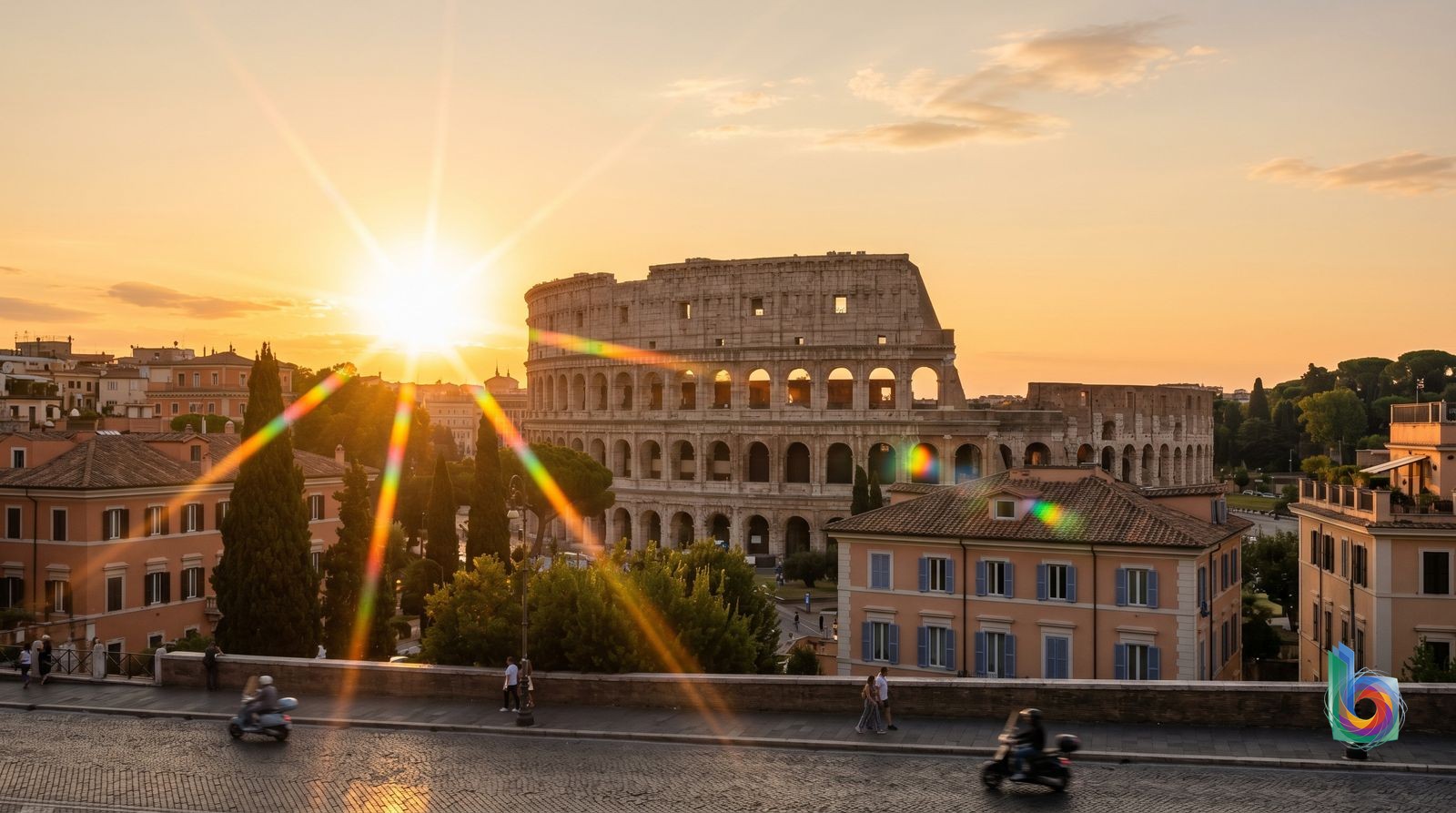
First visit? Stay in Centro Storico (Pantheon, Piazza Navona, Campo de’ Fiori).
For a first visit, this is the least complicated and most Roman choice: the Pantheon, Piazza Navona, Campo de’ Fiori, Trevi and the Jewish Ghetto are largely walkable, so precious sightseeing time is not spent decoding buses or backtracking to a Metro. It is costly and touristy, and street-facing rooms can be noisy, but for a short first stay the location earns its premium. Choose a room on a side street rather than directly on a major piazza.
luxury →
The strongest fit for upscale central hotels, shopping and a polished address, with Metro A at Spagna or Barberini and most headline sights within walking distance. Accept that Trevi and the Spanish Steps are crowded almost constantly, and do not assume every restaurant nearby is good simply because the postcode is glamorous.
value →
A more residential alternative to expensive central Rome, with useful Metro A and C access around San Giovanni and the Lateran Basilica close by. It sacrifices the ability to wander home from the Pantheon after dinner, but it is a calmer, more convincing value base than booking blindly beside Termini.
family →
Prati has broader, more orderly streets, a practical mix of shops and restaurants, and Metro A at Ottaviano and Lepanto. It is particularly good for Vatican-focused families and those who value breathing room over medieval-lane charm; the trade-off is that the Forum and Colosseum are not nearby.
nightlife →
For late dinners, bars and animated piazzas, Trastevere delivers the most atmospheric after-dark base. Book on its quieter edge rather than beside the busiest central bar streets: there is no Metro here, cobbles punish rolling luggage, and central lanes can stay loud very late.
quiet →
Choose this for parks, museums, space and a gentler pace—especially Flaminio near Piazza del Popolo and Villa Borghese. It suits travelers happy to use Metro A, trams, buses or taxis; Parioli in particular is comfortable but not a convenient walk-to-the-Forum base.
rail-day-trips →
For early departures, arrivals and several rail day trips, nothing beats being near Termini, where Metro A and B meet. Select an address carefully—prefer the Santa Maria Maggiore or Piazza Vittorio side over the most anonymous station-front blocks—and treat it as a transport base rather than a romantic neighborhood.
return-visitor →
This is the better choice once the Pantheon-at-breakfast imperative has faded: Testaccio brings a food-first, more local rhythm, while Aventino adds quiet streets, churches and views. Metro B at Piramide and the northern edge’s walk to Circus Maximus help, but hills and quieter evenings make it less efficient for a first-time whirlwind.
Avoid sleeping near The immediate blocks around Roma Termini, especially generic hotel strips southwest of the station: They are convenient for trains, but many visitors regret choosing them solely for a low rate: the setting is hectic and scruffy, hotel quality is uneven, and the station area demands more vigilance for pickpocketing and scams, particularly at night. Stay near Termini only when rail logistics genuinely outweigh atmosphere; choose a reviewed property near Santa Maria Maggiore or Piazza Vittorio rather than an indistinct station-front address.
Avoid sleeping near The busiest central lanes of Trastevere: They are superb to visit at night but a poor sleep bet for anyone sensitive to noise. Bar crowds, late conversation and bottle-collection/delivery activity can make a beautiful-looking rental miserable. Sleep on an edge of the district if Trastevere is the goal.
Avoid sleeping near Rooms directly facing Trevi Fountain, the Spanish Steps, Piazza Navona or Campo de’ Fiori: The landmark address sounds ideal, but constant footfall, restaurant activity, delivery traffic and late piazza noise can overwhelm the convenience. In the historic center, a side street a few minutes away is usually the smarter compromise.
The neighborhoods
Pick the areas you want to be around — the hotels and tables below narrow to them.
Stay here Fine base Visit, don't sleep
Centro Storico (Pantheon, Piazza Navona, Campo de’ Fiori)First-timer default
The walk-everywhere classic Rome base
This is the compact Renaissance-and-Baroque core visitors imagine: Pantheon lanes, Piazza Navona, Campo de’ Fiori, churches and piazzas layered into an exceptionally walkable grid. It is crowded and expensive, but it removes much of Rome’s transport friction and rewards simply wandering after dinner.
Vs. others: Pick Centro Storico over Monti if walking to the Pantheon, Navona and Trevi matters more than having a Metro at the door; pick Monti if you want a more lived-in evening scene and easier Metro B access.
Most major sights are on foot: Pantheon, Navona, Trevi, the Jewish Ghetto and Campo de’ Fiori are close together; the Colosseum is a longer but feasible walk. There is no central Metro station, so buses and taxis fill the gaps.
Best for: first-timers, couples, foodies, short stays, walkers
Hotels and apartments command a premium. · Restaurants immediately on the biggest piazzas can be tourist-oriented and overpriced. · Cobblestones, delivery traffic and late piazza noise can disturb street-facing rooms.
See hotels in Centro Storico (Pantheon, Piazza Navona, Campo de’ Fiori)MontiExcellent base
Villagey lanes beside ancient Rome
Monti is the most useful compromise between atmosphere and practicality: a sloping, café-and-wine-bar neighborhood between Termini, the Forum and the Colosseum. It feels more residential than the Pantheon zone, though its best streets are thoroughly discovered by visitors.
Vs. others: Pick Monti over Centro Storico if you want Metro B and a neighborhood evening; pick Centro Storico if Pantheon-and-Navona doorstep access is the priority.
Cavour and Colosseo on Metro B serve the area; Termini is walkable from its northern edge. The Forum, Colosseum and Santa Maria Maggiore are easy walks, while Pantheon and Vatican require a longer walk or bus.
Best for: first-timers, foodies, nightlife, value seekers, return-visitors
The streets are steep and uneven in places. · Popular bars make parts of the neighborhood noisy at night. · The label 'Monti' is used loosely by hotels, so check the actual address.
See hotels in MontiTrastevereExcellent base
Lively cobbles across the Tiber
Trastevere still has handsome lanes, small squares and a strong evening life, but it is no secret local refuge: its central lanes are a nightly magnet for visitors, students and bar-hoppers. Stay on a quieter edge and it can be a characterful base; stay beside the busiest squares and expect noise.
Vs. others: Pick Trastevere over Centro Storico if nightlife and a more bohemian feel matter more than direct access to the ancient sights; pick Centro Storico if you want the easiest all-day sightseeing walks.
There is no Metro in central Trastevere. Trams and buses connect it to the historic center and beyond, but much of its appeal is on foot; the walk across the Tiber to Campo de’ Fiori is straightforward.
Best for: nightlife, foodies, couples, return-visitors
The central bar streets can be loud late into the night. · Cobblestones and narrow lanes are awkward with wheeled luggage. · Dining quality varies sharply in the most tourist-heavy lanes.
See hotels in TrasteverePrati and VaticanExcellent base
Orderly Vatican-side city living
Prati is a broad-grid, comparatively polished residential district next to Vatican City, with better room to breathe than the historic core and a practical mix of restaurants, shops and hotels. It is not as romantically tangled as central Rome, but that is part of its appeal.
Vs. others: Pick Prati over Trastevere if you want quieter, more orderly streets and Vatican proximity; pick Trastevere if evening atmosphere and central dining are more important.
Ottaviano and Lepanto on Metro A make the Vatican and Spanish Steps corridor convenient. St Peter’s and the Vatican Museums are walkable; the Pantheon is a longer walk across the river, and the Colosseum usually means Metro or bus.
Best for: families, luxury, Vatican-focused visitors, quiet seekers, repeat visitors
It can feel noticeably removed from the classic historic-center evening walk. · The Vatican Museum approaches are crowded and full of tour sellers. · Restaurants near the museum entrance are not automatically the best value.
See hotels in Prati and VaticanTrevi, Spanish Steps and Via VenetoExcellent base
Central polish, shopping, constant footfall
This is the glamorous, hotel-heavy central zone of Trevi Fountain, the Spanish Steps, designer shopping and Via Veneto. It is exceptionally convenient and has strong upscale options, but much of it feels more commercial and visitor-facing than neighborhood Rome.
Vs. others: Pick Trevi and Spanish Steps over Prati if you want to walk to almost every central sight and shop; pick Prati if you want calmer streets and better Vatican access.
Barberini and Spagna on Metro A cover the area. Trevi, the Pantheon and much of Centro Storico are walkable; the Colosseum is reachable on foot or by Metro/bus.
Best for: luxury, first-timers, shopping, short stays, travelers wanting central hotels
Trevi Fountain and the Spanish Steps are intensely crowded for much of the day. · Accommodation is often expensive for the room size. · Some surrounding eateries trade on location rather than quality.
See hotels in Trevi, Spanish Steps and Via VenetoColosseum, Celio and Roman ForumAcceptable base
Ancient Rome at your doorstep
The Colosseum side of the center gives you the Forum, Palatine, Capitoline and ancient monuments as everyday scenery. Celio, just southeast, is greener and calmer; the immediate monument zone can feel sparse and touristy after attractions close.
Vs. others: Pick Colosseum/Celio over Monti if ancient Rome is your main reason for visiting and you prefer calmer nights; pick Monti if you want more restaurants, bars and everyday neighborhood energy.
Colosseo is on Metro B; Circo Massimo on Metro B serves the southern side. The Forum, Capitoline and Monti are walkable, while Vatican and Trastevere require a longer cross-city trip.
Best for: first-timers, history-focused travelers, families, quiet seekers staying in Celio
The immediate Colosseum perimeter is busy by day but can feel quiet and less convenient at night. · There are fewer compelling dining choices directly around the monuments. · Some streets are hilly or cobbled.
See hotels in Colosseum, Celio and Roman ForumTestaccio and AventinoAcceptable base
Food-first Rome, calmer after dark
Testaccio is a food-oriented former working district with a more local rhythm than the postcard center; adjoining Aventino is leafier, quieter and more residential, with hilltop views and major churches. Together they suit travelers who want Rome beyond the headline sights without being marooned in the suburbs.
Vs. others: Pick Testaccio/Aventino over Trastevere if you want a more local food base and quieter sleep; pick Trastevere if you want more central evening wandering and bar life.
Piramide on Metro B is useful for Testaccio, and Circo Massimo is within reach from Aventino. The Circus Maximus and Forum are walkable from the northern edge; buses and trams matter for other trips.
Best for: foodies, return-visitors, quiet, families, travelers staying longer
Aventino’s hill is real, especially with luggage. · It is less convenient than Centro Storico for a quick sightseeing-only trip. · Some parts of the area go quiet early compared with Trastevere or Monti.
See hotels in Testaccio and AventinoTermini, Esquilino and Piazza VittorioAcceptable base
Transport-rich, rougher around the edges
This broad area around Rome’s main station is practical rather than pretty, with many hotels, immigrant-run businesses, Santa Maria Maggiore and the food market around Piazza Vittorio. It is a sensible logistics choice, but it lacks the relaxed charm visitors expect from a Roman base.
Vs. others: Pick Termini/Esquilino over Monti if early trains, airport connections and lower room rates matter most; pick Monti if you can spend more for a more attractive and pleasant base.
Termini is Rome’s principal rail hub and connects Metro A and B; Vittorio Emanuele is on Metro A. Santa Maria Maggiore is close, while the Colosseum is walkable from the southern side.
Best for: value seekers, rail-day-trips, budget travelers, short overnight stays, foodies interested in international Rome
Station blocks can feel hectic, scruffy and less comfortable late at night. · Pickpocketing and tourist scams are a greater practical concern around Termini than in quieter residential districts. · Hotel quality varies widely, and some streets are dominated by generic budget lodging.
See hotels in Termini, Esquilino and Piazza VittorioSan Lorenzo and PignetoAcceptable base
Student bars and scruffier creative energy
San Lorenzo, east of Termini, and Pigneto farther southeast are youthful, imperfect, bar-heavy neighborhoods for travelers willing to trade postcard Rome for cheaper beds and late-night local energy. They are better for a second visit than for a tightly scheduled first one.
Vs. others: Pick San Lorenzo/Pigneto over Trastevere if you want less tourist-centered nightlife and usually better value; pick Trastevere if you want prettier streets and easier walks to the historic core.
San Lorenzo relies largely on trams, buses and a walk or short ride to Termini. Pigneto is served by Metro C, but Metro C does not directly solve trips to the historic core; allow time for connections.
Best for: nightlife, budget travelers, return-visitors, younger travelers
Night noise and street mess are part of the bargain. · Neither district is ideally placed for walking to the main sights. · The atmosphere can feel rougher after dark than central tourist districts.
See hotels in San Lorenzo and PignetoOstiense and GarbatellaAcceptable base
Industrial Rome with a local pulse
Ostiense has former-industrial infrastructure, contemporary cultural venues and a serious dining reputation; nearby Garbatella is lower-rise, leafy and distinctly residential. This is a credible longer-stay base, not the cinematic Rome most first-time visitors have come to see.
Vs. others: Pick Ostiense/Garbatella over Testaccio if you want a more contemporary, less touristy base and often better value; pick Testaccio if you want to be closer to the Circus Maximus and historic center.
Piramide and Garbatella are on Metro B; Ostiense station adds rail connections. Metro B gets you to the Colosseum and Termini efficiently, but Centro Storico still needs a walk, bus or taxi from the Metro.
Best for: foodies, return-visitors, value seekers, travelers staying longer, nightlife
It lacks the immediate landmark ambience of central Rome. · Some stretches retain an industrial, traffic-heavy feel. · The historic center is not a casual five-minute walk away.
See hotels in Ostiense and GarbatellaFlaminio and ParioliAcceptable base
Leafy, cultured, outside the tourist crush
Flaminio is the more visitor-useful cultural edge around Piazza del Popolo and the Villa Borghese side of town; affluent Parioli is greener, quieter and more residential farther out. These are comfortable areas for space and calm, not for stumbling out of your hotel into ancient Rome.
Vs. others: Pick Flaminio/Parioli over Prati if parks, museums and residential calm matter more than Vatican access; pick Prati if you want a more useful Metro-connected base for central sightseeing.
Flaminio is close to Flaminio Metro A and tram routes near Piazza del Popolo. Parioli depends more on buses and taxis. Villa Borghese and the Spanish Steps side of town are accessible, but the Forum and Trastevere are cross-city trips.
Best for: families, quiet, luxury, museum lovers, return-visitors
Parioli is notably less convenient without relying on buses or taxis. · Restaurant and evening options are less dense than in Monti or Trastevere. · It can feel residentially quiet rather than exciting.
See hotels in Flaminio and ParioliAppio-Latino and San GiovanniAcceptable base
Residential Rome near the old road
San Giovanni offers a lived-in, well-served city district around the Lateran Basilica, while Appio-Latino stretches toward the Appian Way and its parks and catacombs. It works for travelers who want a less tourist-saturated base and do not mind commuting into the center.
Vs. others: Pick Appio-Latino/San Giovanni over Termini if you want a more residential, calmer base; pick Termini if trains and airport logistics outweigh neighborhood character.
San Giovanni is served by Metro A and Metro C, making Termini and the Spanish Steps corridor manageable. The Lateran is nearby; the Appian Way and catacombs are best approached by bus or organized transport rather than on foot from the center.
Best for: families, value seekers, quiet, return-visitors, Appian Way explorers
The classic historic center is not within casual walking distance. · The wider Appio-Latino area is large, so an address near a Metro stop matters. · It has less evening theater than Monti, Trastevere or Centro Storico.
See hotels in Appio-Latino and San GiovanniWhere to stay


