
The red-and-white tower remains Tokyo’s most recognizable old-school skyline symbol, even if newer decks are higher. Use it for a classic city view, preferably combined with a walk through the temple-and-embassy streets around Zojoji.
1.3h Walk upGo near opening or after dark on a weekday.
Same-day entry is usually easy outside weekends and holiday periods; buy online if you want to avoid the ticket queue.
Pairs with: Hamarikyu Gardens · Tsukiji Outer Market

The 634-metre Skytree delivers the widest, most legible view of the metropolitan sprawl and is particularly worthwhile in clear winter weather. It is a different experience from Tokyo Tower: come for scale and the Sumida-side setting, not historic atmosphere.
1.7h Timed entryBook the first slot or a post-sunset weekday slot; sunset is the busiest period.
Reserve a dated, timed ticket for weekends, holidays, and sunset; weekday same-day tickets are often available.
Pairs with: Senso-ji Temple · Ueno Park

Its open-air roof is the most immediate central-Tokyo panorama, with the crossing, rail lines and dense cityscape visible beneath you. It works best as the payoff after exploring Shibuya, rather than as a standalone observation-deck visit.
1.3h Sells out — book weeks aheadChoose the first morning slot for space, or reserve sunset far in advance for the best light.
Sunset and weekend slots commonly sell out well ahead, so book as soon as dates are firm.
Pairs with: Shibuya Scramble Crossing · Yoyogi Park · Meiji Jingu

The crossing is the essential few-minute Tokyo urban spectacle: a mundane commute made cinematic by scale and choreography. Cross it once, then watch from an upper-floor café or Shibuya Sky for the full pattern.
20m FreeEarly evening on a weekday is animated without reaching the crush of a Saturday night.
Pairs with: Shibuya Sky · Yoyogi Park · Meiji Jingu

Tokyo’s oldest major temple is the city’s most direct introduction to living Buddhist ritual, incense, lanterns and the commercial approach along Nakamise-dori. Arrive early enough to see the temple before the shopping street turns into a shoulder-to-shoulder procession.
1.3h FreeBe there before 9am, or visit after dusk when the main hall and gate are illuminated.
Pairs with: Tokyo Skytree · Ueno Park

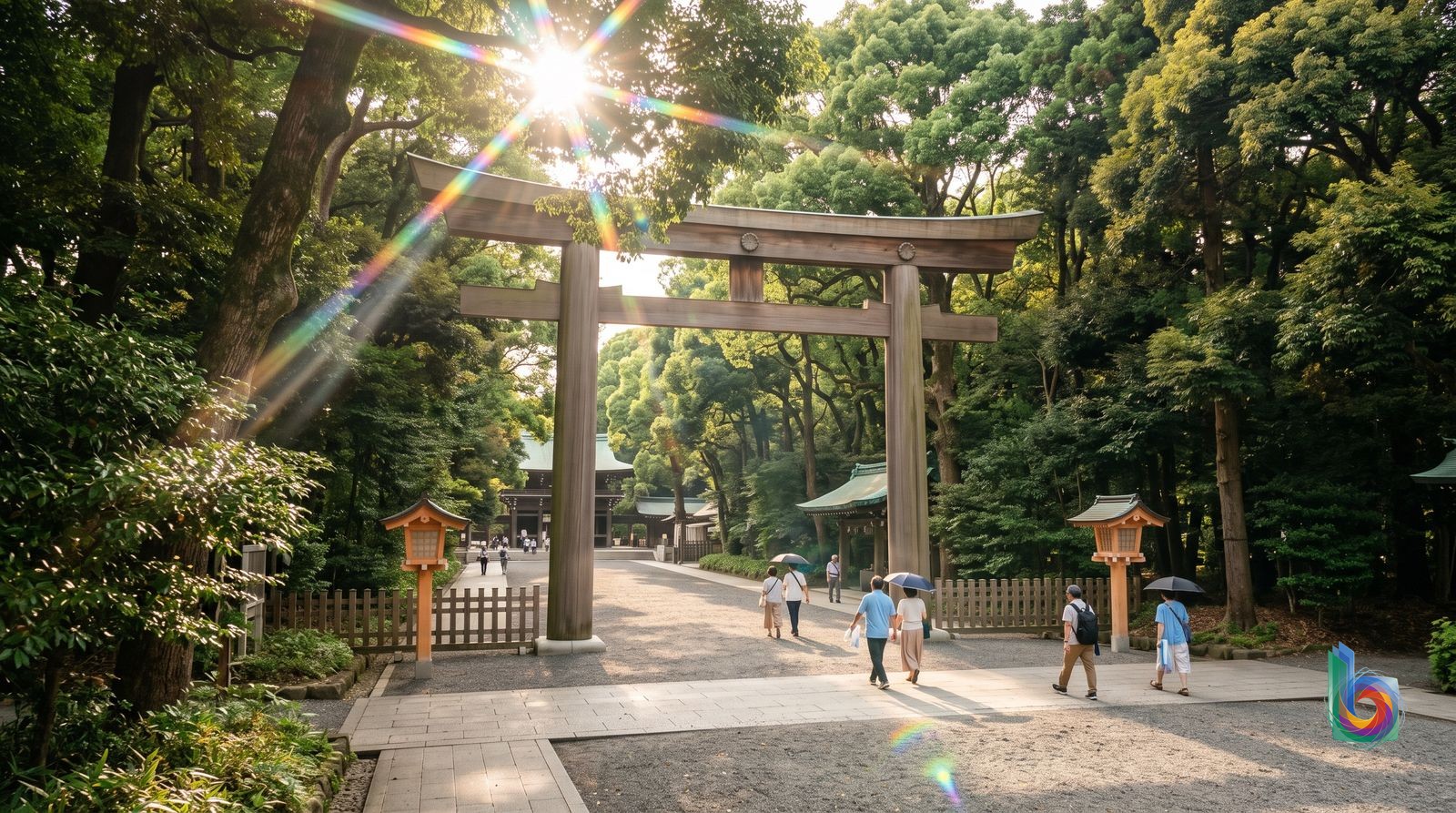
The long forest approach and restrained shrine architecture offer a powerful counterpoint to Harajuku and Shibuya immediately outside. It is one of the clearest ways to understand how ritual, nature and huge-city life coexist in Tokyo.
1.3h FreeVisit shortly after opening, before Harajuku crowds spill into the area.
Pairs with: Yoyogi Park · Shibuya Sky · Shibuya Scramble Crossing

The wholesale fish market moved, but Tsukiji’s outer lanes remain Tokyo’s most useful place for a focused seafood breakfast and food-shopping wander. Treat it as a morning meal stop, not as an all-day market or a substitute for the former auction.
1.3h FreeArrive between 8am and 9am on a weekday, before the breakfast queues become punishing.
Pairs with: Hamarikyu Gardens · Tokyo Tower · Ginza Pedestrian Paradise

This is Tokyo at leisure: broad lawns, mature trees, casual picnics and a reliably interesting cross-section of weekend city life. It is most useful as breathing room between Harajuku and the Meiji Shrine rather than as a destination requiring a long detour.
45m FreeWeekday mornings are quietest; Sundays are livelier rather than calmer.
Pairs with: Meiji Jingu · Shibuya Scramble Crossing

The pond, wooded paths and Kichijoji setting make this one of Tokyo’s most appealing everyday parks. It is especially worthwhile when paired with the Ghibli Museum or a relaxed meal and browse in Kichijoji.
1.3h FreeVisit on a weekday morning, especially during cherry-blossom season.
Pairs with: Ghibli Museum

This is the city’s most rewarding formal green escape, with Japanese, English and French garden styles behind its gates. It is far calmer and more composed than Shinjuku outside, so allow time to wander rather than treating it as a quick photo stop.
1.5h Walk upArrive at opening on weekdays; avoid peak sakura weekends unless crowds are part of the plan.
Walk-up admission is normal, though advance booking rules can be introduced during peak cherry-blossom periods.
Pairs with: Shibuya Sky · Shibuya Scramble Crossing

This tidal-era daimyo garden is unusually effective because towers and old seawater ponds sit in the same frame. It is a compact, restful stop that also connects naturally to the Sumida River boat route and nearby Tsukiji.
1h Walk upGo soon after opening, before tour groups arrive from nearby Ginza and Tsukiji.
Admission is paid at the gate and rarely requires advance planning.
Pairs with: Tsukiji Outer Market · Tokyo Tower

For Studio Ghibli admirers, this is a deeply considered, small-scale museum rather than a conventional animation exhibition. It is not essential for everyone, but fans should build a Kichijoji and Inokashira Park half-day around it.
2h Sells out — book weeks aheadChoose the earliest entry on a weekday for the least congested galleries.
Entry is date- and time-specific and popular dates sell out quickly; international purchase arrangements vary, so plan weeks ahead.
Pairs with: Inokashira Park

Ueno is less a manicured garden than a cultural precinct anchored by museums, a temple and busy market streets nearby. Use it as the framework for a museum day, or simply for a brisk walk before Ameyoko and Asakusa.
1.5h FreeGo early in the day; cherry-blossom season brings exceptionally heavy crowds.
Pairs with: Senso-ji Temple · Tokyo Skytree

An easy train ride from central Tokyo, Takao offers a real wooded mountain day with a temple, hiking trails and occasional Fuji views. It is the best low-commitment nature escape in the prefecture, though weekends can feel as busy as the city.
5h FreeHike on a clear weekday morning; avoid autumn-leaf weekends unless you are prepared for queues.

Odaiba’s smaller Liberty replica is a quick photo stop, not a reason to cross Tokyo by itself. It earns a place only as part of the waterfront promenade, where the Rainbow Bridge and city skyline do the real work.
15m FreeCome around blue hour, when the bridge and central skyline are lit.

This excellent open-air collection of relocated buildings makes Tokyo’s lost streetscapes tangible, from merchant houses to the bathhouse that inspired Ghibli imagery. It is a substantial destination for architecture and history lovers, but too far out to squeeze into a short central-city itinerary.
2.5h Walk upA dry weekday afternoon offers the most relaxed experience.
Tickets are normally purchased on arrival; allow extra travel time from central Tokyo.

On weekend afternoons, Ginza closes its central shopping artery to cars, turning luxury Tokyo into a surprisingly pleasant strolling zone. It is a short, atmosphere-led diversion rather than an attraction to schedule around.
30m FreeGo on a Sunday afternoon when the street closure is normally in effect; confirm seasonal hours locally.
Pairs with: Hamarikyu Gardens · Tsukiji Outer Market

This remote subtropical archipelago is Tokyo Prefecture’s great geographic surprise: ocean wildlife, clear water, endemic nature and a pace wholly unlike the capital. It requires a dedicated multi-day commitment, so it is an addition for travelers who want the prefecture rather than just Tokyo city.
Book aheadTravel outside Japanese holiday weeks and reserve ferry accommodation as soon as your dates are fixed.
The ferry from Takeshiba takes roughly 24 hours each way and cabins can book out far ahead in holiday periods.

This indoor Hello Kitty universe is a purpose-built fan destination, with character shows and elaborate themed interiors rather than thrill rides. It is a strong choice for families and devoted Sanrio fans, but not a first-trip Tokyo essential otherwise.
4h Book aheadArrive before opening on weekends to get ahead of character-photo and ride queues.
Buy a dated passport in advance for weekends and school holidays; weekday availability is generally easier.