- Pace
- Use one base for a first visit, preferably Roma Norte/Condesa, Juárez, Centro or Polanco, and make the rest long urban outings. Four to five nights covers the essentials without sprinting; seven is excellent, while a second southern base only starts making sense on a week-plus stay. Distances deceive: Centro to Coyoacán or Xochimilco routinely takes 60–90 minutes each way, longer in rain or rush hour, so treat southern excursions as substantial half- or full-day commitments.
- When to go
- March–April is the best all-round window: warm, dry enough for long days, and cool at night. December–February is excellent for museums and walking if you pack for cold mornings and accept occasional pollution; June–October is greener and cheaper-feeling but requires morning-first planning around heavy afternoon storms. Late October to November 2 is vivid but crowded and pricier for Día de Muertos, while Semana Santa changes the city’s rhythm more than it improves it.
- Daily budget
- MX$3,800–6,500/day
Mexico City is a high-altitude megacity built over the former lake city of Tenochtitlan: less a compact colonial capital than a vast, intensely lived-in collision of Mexica archaeology, imperial architecture, muralism, markets, neighborhood ritual and a formidable food scene. Come for cultural density rather than scenery—the Zócalo and Templo Mayor, Diego Rivera and Frida Kahlo, Chapultepec, tacos and the surviving canals of Xochimilco—and expect altitude, hard sun and occasionally poor air to affect your pace.
Known for
- The Zócalo, Templo Mayor and the layered Mexica-colonial heart of Centro Histórico
- Diego Rivera murals, Frida Kahlo and an exceptional museum culture
- Chapultepec Park, Castle and the Museo Nacional de Antropología
- Tacos al pastor, markets, fondas and one of the Americas’ deepest restaurant scenes
- Xochimilco’s canals and chinampa landscape
- Roma, Condesa and Juárez nightlife, cafés and design culture
Where to go
Centro Histórico and Alameda Central
1Base · 1–2 days
Centro Histórico and Alameda Central
The essential historical day: Zócalo, Cathedral, Templo Mayor, Bellas Artes and Alameda put Mexica ruins, colonial power and muralism in direct succession. It is loud and tiring, but skipping it leaves the city unreadable.
first-timershistory loversarchitecture fansmuralism
Explore Centro Histórico and Alameda Central Roma Norte and La Condesa
2Roma Norte and La Condesa
Short stop · 1 day
The most workable first-trip base for walkable breakfasts, serious restaurants, bars and boutique hotels. Roma is livelier and rougher-edged; Condesa is leafier and more residential.
first-timersfoodiescouples
Chapultepec and Polanco
3Chapultepec and Polanco
Short stop · 1 day
Give the National Museum of Anthropology a proper half-day, then add Chapultepec Castle or the park rather than trying to rush all three. Polanco is useful afterward for design galleries and a polished dinner.
museum loversfamiliesdesign travelers
Coyoacán and the Anahuacalli
4Coyoacán and the Anahuacalli
Base · 1–2 days
A slower southern day of plazas, market food and domestic-scale art museums, capped by Diego Rivera’s volcanic-stone Anahuacalli. Casa Azul is worth it for Frida devotees, but it should not be the whole plan.
art loversfamiliesslower travelers
Juárez, Zona Rosa and Reforma
5Juárez, Zona Rosa and Reforma
Short stop · 1 day
A practical strip between Centro and Chapultepec, with Paseo de la Reforma, the Ángel, old mansions and strong evening options. Juárez makes a more characterful base than a generic Reforma business hotel.
first-timersLGBTQ+ travelersarchitecture fans
San Ángel and UNAM/Pedregal
6San Ángel and UNAM/Pedregal
Short stop · 1 day
Pair San Ángel’s plazas and weekend art market with UNAM’s mural-covered Central Library, Olympic Stadium and lava-field landscape. It is a rewarding art-and-urbanism day, but too spread out to treat as one picturesque stroll.
architecture fansgardensrepeat visitors
 7
Xochimilco
Short stop · 1 day
Take a weekday morning trajinera from a formal embarcadero and focus on the chinampa landscape rather than the loudest party boats. It is a long cross-city outing, so give it its own day.
familiesgroupsphotographers
La Merced and Mercado Jamaica
8La Merced and Mercado Jamaica
Short stop · 1 day
These are the clearest antidote to seeing CDMX only through restaurants and galleries: La Merced delivers overwhelming market scale, while Jamaica is the flower-and-produce stop. Go by day and preferably with a guide if huge markets are unfamiliar territory.
serious food travelersmarket loversrepeat visitors
Basilica de Guadalupe and Tepeyac
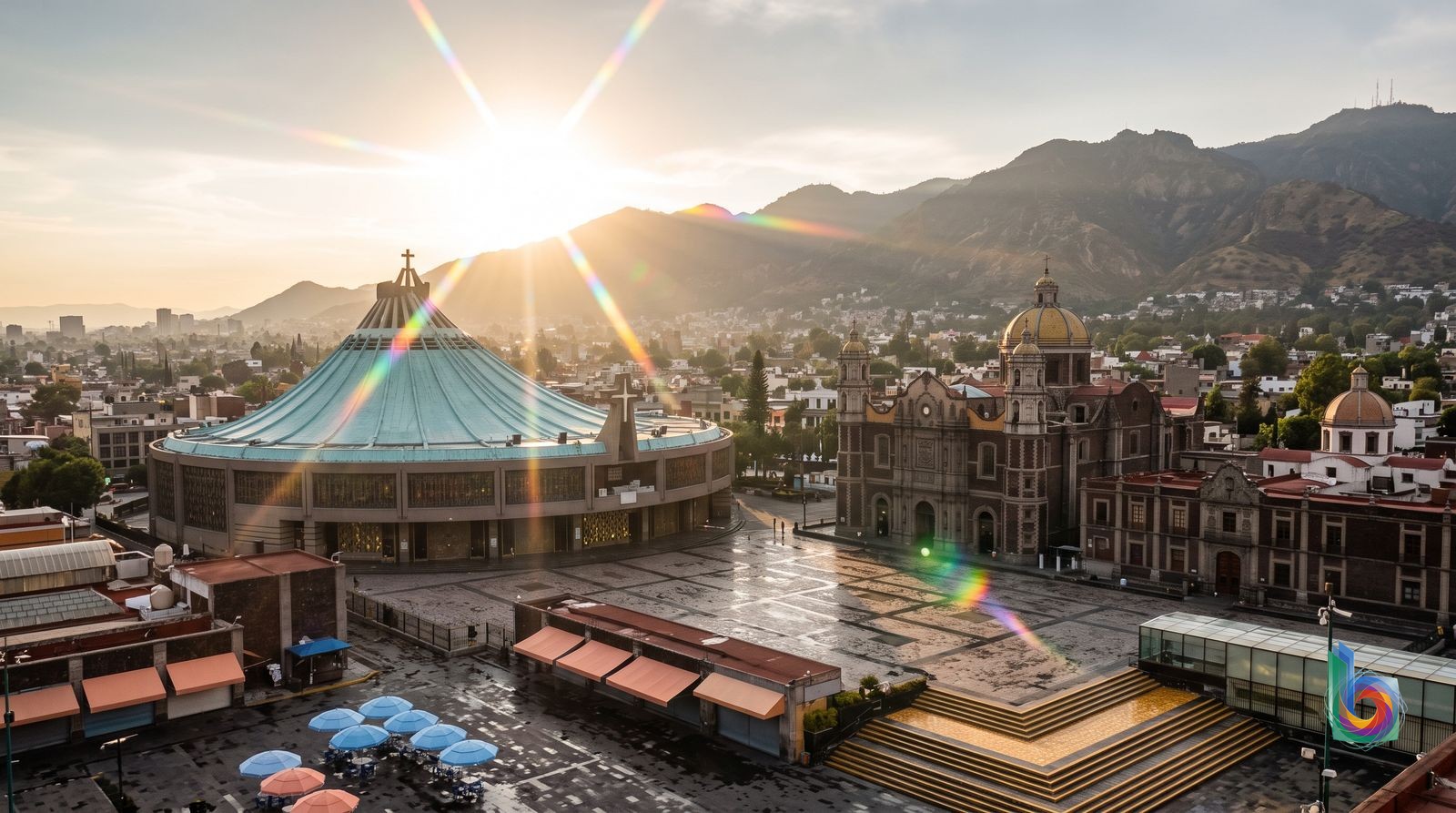
9Basilica de Guadalupe and Tepeyac
Short stop · 1 day
One of Mexico’s most important living religious spaces, not a museum stop. The basilica complex and Tepeyac make sense for travelers interested in pilgrimage, faith and modern Mexican identity.
religious historyarchitecture fansrepeat visitors
Tlalpan, Ajusco and the southern conservation lands
10Tlalpan, Ajusco and the southern conservation lands
Short stop · 1 day
The city’s high, semi-rural edge: Tlalpan’s old center, Ajusco forests, hiking and weekend food stops show how quickly CDMX can stop feeling urban. Use hired transport and go only when you have a full day and decent weather.
hikersfamiliesfood-focused travelers
Don't miss
1
Mexico City Metropolitan CathedralCentro Historico
This is the essential architectural counterweight to the pre-Hispanic sites around the Zócalo, and it makes most sense as part of a slow historic-center circuit. Go inside, then use the surrounding square as a reset point before Templo Mayor or the lanes behind it.
2
Museo Nacional de AntropologíaChapultepec - Lomas
Mexico City's foundational museum is the best place to gain context for the civilizations and objects encountered elsewhere in the country. Give it a focused half-day rather than trying to absorb every gallery, then continue into Chapultepec.
3
Templo Mayor MuseumCentro Historico
The excavated ceremonial precinct makes the layers beneath colonial Mexico City tangible, while the museum supplies the interpretive context. It is most powerful immediately after seeing the Cathedral, which physically frames the collision of the two histories.
4
Frida Kahlo MuseumCoyoacán
The Blue House offers an intimate, place-based introduction to Frida Kahlo and is one of the city’s most emotionally direct museum visits. Pair it with a wander through Coyoacán, but reserve the museum itself well before building the day around it.
5
Palacio de Bellas ArtesCentro Historico
This is the historic center’s indispensable arts landmark, worthwhile for its architecture, murals, and the chance to catch a performance. Combine it with Alameda and the tower viewpoint, while treating a show as a separate evening plan.
6
Chapultepec CastleChapultepec - Lomas
The castle supplies the city’s strongest combination of political history, decorative interiors, and broad urban views. Build it into the same day as the Anthropology Museum, allowing for the uphill approach and a slower wander through the park.
Getting your bearings
Numbers match the places above; small dots are the headline sights.
The mental map
Think in three broad zones. Central and western CDMX—Centro, Juárez, Roma, Condesa, Chapultepec and Polanco—is where most visitors sleep, eat and spend their museum time. The south—Coyoacán, San Ángel, UNAM, Xochimilco, Tlalpan and Ajusco—is greener, slower and more village-like, but requires commitment; the north and east—Guadalupe, Tlatelolco, La Merced, Jamaica and Iztapalapa—deliver pilgrimage, markets and the city at working scale rather than easy hotel logistics.
When to go
March–April is the best all-round window: warm, dry enough for long days, and cool at night. December–February is excellent for museums and walking if you pack for cold mornings and accept occasional pollution; June–October is greener and cheaper-feeling but requires morning-first planning around heavy afternoon storms. Late October to November 2 is vivid but crowded and pricier for Día de Muertos, while Semana Santa changes the city’s rhythm more than it improves it.
Pacing a visit
Use one base for a first visit, preferably Roma Norte/Condesa, Juárez, Centro or Polanco, and make the rest long urban outings. Four to five nights covers the essentials without sprinting; seven is excellent, while a second southern base only starts making sense on a week-plus stay. Distances deceive: Centro to Coyoacán or Xochimilco routinely takes 60–90 minutes each way, longer in rain or rush hour, so treat southern excursions as substantial half- or full-day commitments.
Book before you land
Museo Frida Kahlo (Casa Azul) timed entry · Pujol tasting-menu reservation · Quintonil tasting-menu reservation
Getting in
MEXMexico City International Airport (Benito Juárez)
The main airport and by far the most practical arrival point: close to central districts, with the widest domestic and international network. Use an authorized airport taxi, pre-booked transfer, Metrobus or rideshare where pickup rules allow; traffic to Roma/Condesa, Centro or Polanco can still be slow.
Flights and transfers into JuárezNLUFelipe Ángeles International Airport
A newer secondary airport north of the city, used by a growing number of domestic and some international flights. It can be cheaper, but ground transfers into central or southern CDMX are substantially longer and less seamless than from MEX.
TLCToluca International Airport
A secondary airport west of CDMX, occasionally useful for low-cost domestic flights. It is not a convenient city airport: allow significant road-transfer time, especially in weekday traffic.
Flights and transfers into TolucaTAPO bus terminal
The practical long-distance-bus gateway for arrivals from Puebla, Veracruz, Oaxaca and Mexico’s east/southeast. It is east of Centro; use a licensed taxi or rideshare onward rather than treating the surrounding area as a place to linger with luggage.
Observatorio / Terminal Central de Autobuses del Poniente
Useful for buses from Toluca and destinations to the west, including routes toward Michoacán and Jalisco. It is functional rather than visitor-friendly; connect onward by taxi or rideshare, particularly with bags.
Before you go
Questions worth settling
How many days do I need for a first trip to Mexico City?
Plan 4–5 nights to cover Centro Histórico, Chapultepec, Roma/Condesa or Juárez, and one southern outing without rushing. Seven nights is ideal if you also want Coyoacán, Xochimilco, San Ángel/UNAM or major markets.
Where should I stay for a first visit to Mexico City?
Base yourself in Roma Norte/Condesa, Juárez, Centro or Polanco and use it for day trips across the city. Roma Norte and Condesa are the easiest all-round choice for walkable food, cafés and nightlife; Juárez is a characterful central alternative, while Polanco suits museum-focused or more polished stays.
Should I split my stay between central Mexico City and Coyoacán or the south?
Usually no: keep one central or western base for a first visit and treat Coyoacán, San Ángel, UNAM and Xochimilco as substantial outings. A second southern base only becomes worthwhile on a stay of roughly a week or more, when you want slower evenings there rather than repeated cross-city rides.
How difficult is it to get around Mexico City?
Walk within individual neighborhoods, use Metro and Metrobús for straightforward central journeys, and use rideshare for late nights, luggage and awkward cross-city trips. Map distance is misleading: Centro to Coyoacán or Xochimilco commonly takes 60–90 minutes each way, especially in rain or rush hour.
Do I need a visa to visit Mexico City?
Visitors from the US, Canada, UK, EU, Japan and many other countries are generally admitted visa-free for tourism for up to 180 days, subject to the immigration officer’s discretion. Carry proof of onward travel and accommodation, obtain a visa in advance if your nationality requires one, and confirm current rules with an official Mexican source before flying.
When is the best time to visit Mexico City?
March and April are the best all-round months, with warm days, cool nights and relatively little rain. December–February is also excellent for museums and walking but brings cold mornings and occasional pollution; from June through October, plan outdoor activities such as Xochimilco and markets for mornings before afternoon storms.
What should I book in advance?
Book timed entry for Museo Frida Kahlo (Casa Azul) and reserve Pujol or Quintonil well ahead if they are priorities. Also secure accommodation and sought-after restaurants early for late October through November 2, when Día de Muertos brings heavy demand and crowds.
Can I do Xochimilco as a quick add-on to Coyoacán?
No—give Xochimilco its own half- or full-day outing, as the cross-city journey is long and traffic-sensitive. Go on a weekday morning from a formal embarcadero, and agree the trajinera’s hourly price, duration and route before boarding.
Known for
- The Zócalo, Templo Mayor and the layered Mexica-colonial heart of Centro Histórico
- Diego Rivera murals, Frida Kahlo and an exceptional museum culture
- Chapultepec Park, Castle and the Museo Nacional de Antropología
- Tacos al pastor, markets, fondas and one of the Americas’ deepest restaurant scenes
- Xochimilco’s canals and chinampa landscape
- Roma, Condesa and Juárez nightlife, cafés and design culture
