The Sacred Valley is not one sight but the essential landscape-and-villages day trip from Cusco, tying together Inca agriculture, ruins, markets, and mountain scenery. Give it a full day or longer and choose a focused route rather than trying to tick off every stop.
Transport and individual site admissions are usually arranged separately; tours can be booked locally, though popular private guides merit advance planning.
Pairs with: Salt Mine of Maras · Historic Sanctuary of Machu Picchu · Pikillacta

This is the defining destination of a Cusco trip: an Inca citadel whose setting and construction reward careful planning rather than a hurried photo stop. Build the trip around the ticketed circuit you can secure, then coordinate train, bus, guide, and overnight logistics around it.
Book the official timed entry and preferred circuit as soon as dates are firm; peak-season slots and sought-after circuits can sell out months ahead.
Pairs with: Sacred Valley

This is Qoricancha, the essential Cusco site where the Spanish church and convent were built over the Incas’ principal temple complex. A guide is particularly worthwhile here because the contrast between Inca foundations and colonial construction is the point.
Buy admission on arrival; a guided visit is worthwhile for interpreting the Inca remains.
Pairs with: Museo del Sitio del Qoricancha · Plaza de Armas · Cusco Cathedral

The massive fitted-stone walls above Cusco are the city’s indispensable archaeological counterpart to Qoricancha. Walk or take a taxi up, allow time to absorb the scale, then descend via Cristo Blanco or connect with the nearby ruins circuit.
Admission is covered by the Cusco-area boleto turístico; purchase the circuit ticket before arriving if needed.
Pairs with: Q'enco Archaeological Complex (Tourist attraction) · Mirador desde el Cristo Blanco (Tourist attraction) · Tambomachay (Tourist attraction)

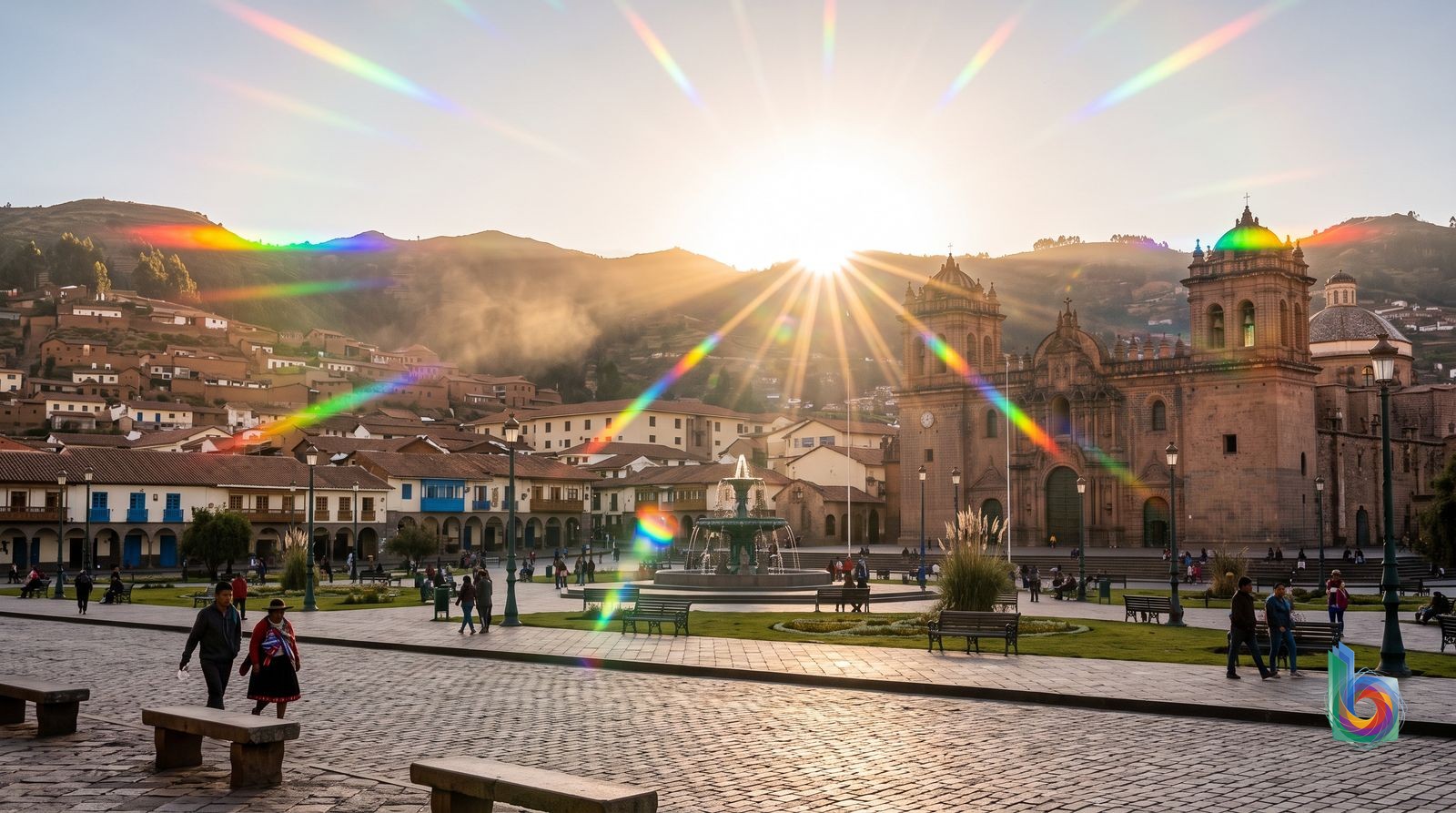
Cusco’s main square is the city’s natural orientation point, framed by major churches and surrounded by the historic center’s energy. It is essential to see, but use it as a place to stroll, people-watch, and connect sights rather than expecting a tranquil square.
Pairs with: Cusco Cathedral · Church and Convent of Santo Domingo of Guzmán (Tourist attraction) · Regional Historical Museum of Cusco

The cathedral is Cusco’s grandest colonial church and an important counterweight to the city’s Inca narrative, with an extensive collection of religious painting. Enter outside service times if you want to sightsee, or attend morning mass for the building in use rather than museum-style viewing.
Tourist admission is paid at the door; morning mass is free but is not a sightseeing visit.
Pairs with: Plaza de Armas · The Archbishop’s Palace Museum · Museo de Arte Religioso

This convent gives a useful colonial counterpoint to Cusco’s Inca sites, with religious art and subterranean catacombs. Visit if you want more than a cursory look at the Spanish-era city; otherwise, prioritize Qoricancha and the cathedral first.
Pairs with: Plaza Regocijo · Museo de Arte Popular · Plaza de Armas

Housed in the former home of Inca chronicler Garcilaso de la Vega, this is one of the best compact introductions to Cusco’s Inca, conquest, and colonial story. It is especially useful early in a stay, before visiting the larger archaeological sites.
Admission is included with the boleto turístico; buy the appropriate ticket before or at the first participating site.
Pairs with: Museo Inka · The Archbishop’s Palace Museum · Plaza de Armas

The viewpoint delivers the classic sweep over Cusco’s red-tile roofs and surrounding hills, making it a high-return short excursion. Use it for orientation or sunset, ideally in combination with the nearby Inca ruins rather than as a separate taxi ride.
Pairs with: Sacsayhuamán Archaeological Park · Q'enco Archaeological Complex (Tourist attraction) · Puka Pukara Archaeological Complex (Tourist attraction)

The terraced salt pans are one of the Sacred Valley’s most distinctive visual stops and are genuinely different from the region’s stone ruins. They are best visited as part of a Maras–Moray or Sacred Valley outing, not on a rushed day trip from Cusco alone.
Pairs with: Sacred Valley · Pikillacta

This compact Inca water shrine is a graceful stop on the ruins circuit above Cusco, notable for its finely fitted stonework and flowing channels. It is not a reason to go alone, but it completes a rewarding half-day with Q'enco, Puka Pukara, and Sacsayhuamán.
Admission is covered by the Cusco-area boleto turístico; bring it with you on the ruins circuit.
Pairs with: Puka Pukara Archaeological Complex (Tourist attraction) · Q'enco Archaeological Complex (Tourist attraction) · Sacsayhuamán Archaeological Park

Q'enco’s carved rock passages and ceremonial features make it a more evocative stop than its modest size suggests. It belongs on the hillside ruins circuit, where its details make more sense after an overview of Inca building and ritual.
Admission is covered by the Cusco-area boleto turístico.
Pairs with: Sacsayhuamán Archaeological Park · Tambomachay (Tourist attraction) · Mirador desde el Cristo Blanco (Tourist attraction)

Despite the listing name, this refers to Cusco’s Museo de Arte Precolombino, a polished small museum with art from across ancient Peru. It is a good choice for appreciating objects as art, rather than studying the full chronological story of the Incas.
Pairs with: Museo Inka · Templo del San Blas · Piedra de los doce ángulos

This is the best broad museum choice for grounding a first visit in pre-Inca, Inca, and colonial material before heading to the ruins. The displays can feel dense, so give it enough time and use it as historical context rather than trying to read every label.
Pairs with: Regional Historical Museum of Cusco · Museo de Arte Precolombino Larco · Piedra de los doce ángulos

This free, compact museum clearly explains the techniques and cultural importance of Quechua and Andean weaving, making it more than a shop stop. It is especially useful before buying textiles, since it helps distinguish serious handwork from mass-produced souvenirs.
Pairs with: Museo Maximo Laura · Plaza de Armas · Church and Convent of Santo Domingo of Guzmán (Tourist attraction)

This famous twelve-angled stone is a quick but revealing example of the precision of Inca masonry embedded in Cusco’s living streetscape. Do not make a special cross-town journey for it; stop while walking between the Plaza de Armas, San Blas, and nearby museums.
Pairs with: The Archbishop’s Palace Museum · Museo Inka · Templo del San Blas

This small church is a worthwhile stop while wandering San Blas, especially for its celebrated carved pulpit and intimate scale. Treat it as a short cultural pause rather than a destination that needs a dedicated trip.
Pairs with: The Archbishop’s Palace Museum · Museo de Arte Religioso · Plaza de Armas

A calmer colonial square just off the main tourist circuit, Plaza Regocijo is useful as part of a central-Cusco walking loop rather than as a stand-alone sight. Its real value is the Municipal Palace and nearby museums, plus a less hectic break from Plaza de Armas.
Pairs with: Museo de Arte Popular · Museo y Catacumbas del Convento de San Francisco de Asís de Cusco · Plaza de Armas

The draw is as much the handsome colonial palace and its Inca stone foundations as the collection inside. It is a sensible short add-on for travelers already exploring the cathedral-and-Plaza de Armas core.
Pairs with: Museo de Arte Religioso · Cusco Cathedral · Piedra de los doce ángulos

This is a small, specialized museum for visitors interested in colonial religious art and the architecture of the old archbishop’s complex. It works best as a brief companion to the cathedral, not as a substitute for Cusco’s broader history museums.
Pairs with: The Archbishop’s Palace Museum · Cusco Cathedral · Piedra de los doce ángulos

A quick boleto turístico stop with modern-era folk art and handicrafts, it provides context for the craft traditions seen throughout town. Keep expectations modest: it is compact and best folded into a walk around Plaza Regocijo.
Admission is included with the boleto turístico.
Pairs with: Plaza Regocijo · Museo y Catacumbas del Convento de San Francisco de Asís de Cusco · Plaza de Armas

This focused gallery showcases the work of one of Peru’s best-known contemporary textile artists and is a strong choice for travelers who want to understand textiles beyond souvenir shopping. It is more rewarding for design and craft enthusiasts than for someone with only a single sightseeing day in Cusco.
Pairs with: Museo del Centro de Textiles Tradicionales de Cusco · Plaza de Armas · Templo del San Blas

An evening planetarium program can add useful context on Andean sky knowledge and Inca cosmology, especially for travelers who enjoy astronomy. It is optional rather than core sightseeing, but a good alternative to another museum after a day of ruins.
Reserve a place a day or two ahead in busy periods, since sessions and transport are limited.
Pairs with: Sacsayhuamán Archaeological Park · Mirador desde el Cristo Blanco (Tourist attraction)

Often interpreted as a checkpoint or military outpost, Puka Pukara is a brief but scenic stop on the route above Cusco. Its value is contextual: pair it with Tambomachay and the other nearby sites rather than lingering here on its own.
Admission is covered by the Cusco-area boleto turístico.
Pairs with: Tambomachay (Tourist attraction) · Q'enco Archaeological Complex (Tourist attraction) · Sacsayhuamán Archaeological Park

This large pre-Inca Wari site broadens the story beyond the Incas and suits travelers who want an archaeological day away from central Cusco. It is best approached as a deliberate outing toward the South Valley, not squeezed into a Sacred Valley circuit.
Entry is generally handled with the Cusco-area boleto turístico; confirm that your ticket version includes South Valley sites.
Pairs with: Salt Mine of Maras · Sacred Valley