January–March
Mild by Swedish standards, but often wet, windy and very dark, with short daylight hours. Rain gear matters more than heavy deep-winter gear.
Poor choice for an archipelago-first trip or long outdoor days; weather can make walking and waterfront time feel bleak.
April–24 May
Spring is increasingly pleasant in parks and cafés, but changeable west-coast weather is normal: bring layers and rain protection.
It is not reliably warm, and boat or archipelago plans still need flexible expectations.
25 May–September
The practical sweet spot: long daylight, green parks and the southern archipelago at their best. Expect warm rather than dependably hot summer weather, with rain always possible.
School holidays and major events raise hotel demand and crowds. Book accommodation early around Gothia Cup and Way Out West, and reserve Liseberg for summer weekends and holidays.
October–November
Cooler, quieter and increasingly wet, windy and dark. October can still suit urban wandering; by November, indoor plans become the sensible core of a visit.
Daylight shrinks quickly and the archipelago loses much of its easy summer appeal; build in indoor alternatives.
December
Dark, damp and often windy rather than dramatically snowy, but Christmas lights and seasonal atmosphere give the city a strong reason to visit.
Very short days and unreliable outdoor weather make this a city-and-indoor trip, not the time to plan around the archipelago.
Gothia Cup · Usually mid-July
This huge youth football tournament materially tightens hotel availability and adds crowds across the city. Book lodging well ahead; summer attractions and transport are busier than usual.
Way Out West · Usually August
The major music festival increases demand for central accommodation and can make restaurants, bars and late-night transport busier. Secure lodging early if your dates overlap.
Walking
The compact inner city: Inom Vallgraven, Haga, Vasastan, Avenyn, Linné and much of Majorna connect well on foot. It is often faster and more pleasant than waiting for a tram for short hops between canals, cafés and museums.
Use walking as the default within the centre, then take a tram for the longer jump. From Centralstationen, the old centre is easy on foot; Haga, Avenyn and Linné are manageable walks for confident walkers.
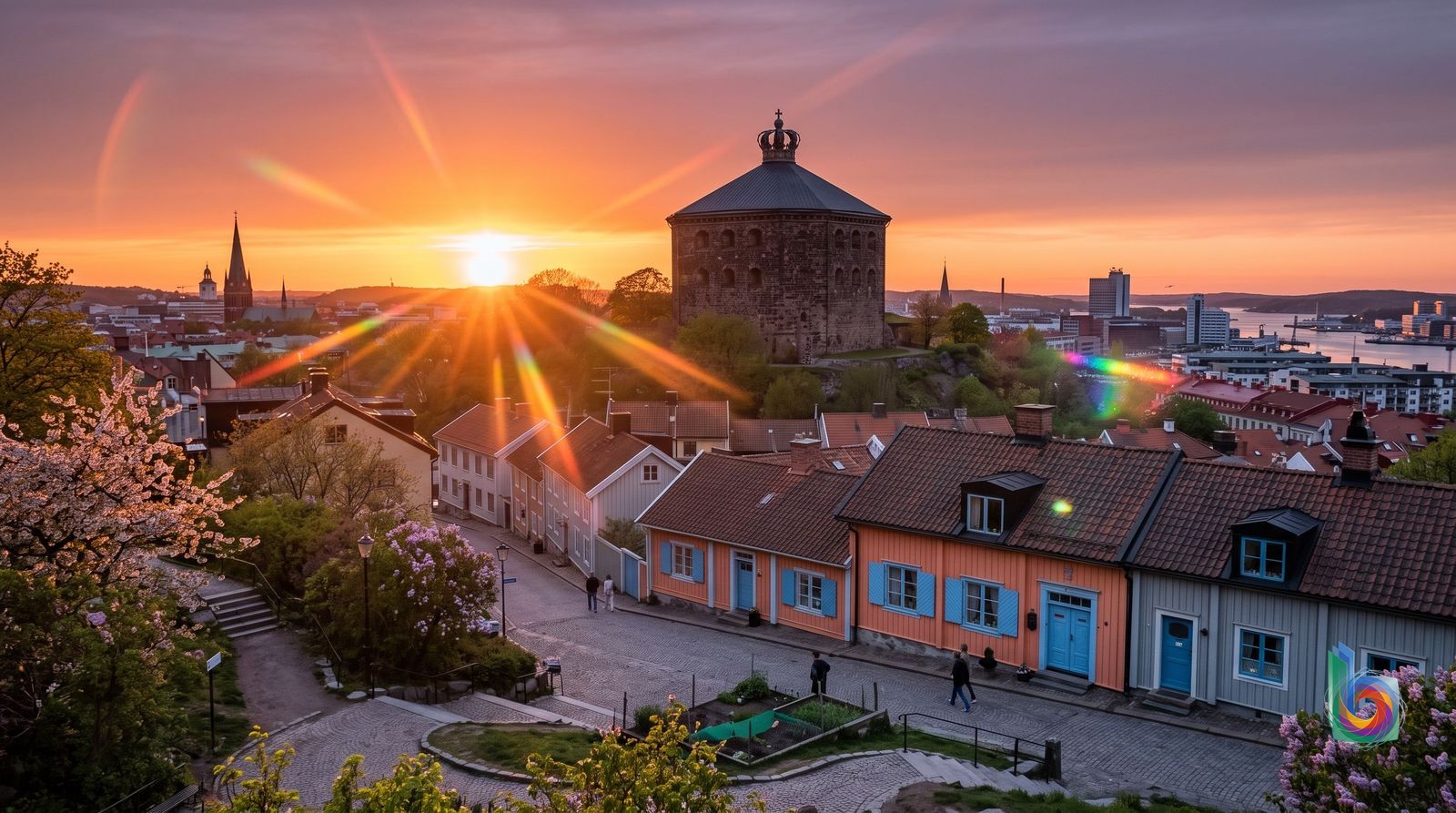
It stops being easy in hillier Haga around Skansen Kronan and in Majorna/Stigberget, where slopes and stairs are punishing with luggage or for limited mobility. Slottsskogen is larger than it looks, and its far western and southern edges are not a quick walk from the core.
Tram
The best all-round transport for longer inner-city trips: Centralstationen and Brunnsparken to Haga, Linné, Majorna, Avenyn, Vasastan and Korsvägen/Liseberg. It is the system visitors will use most; Gothenburg has trams, not a metro.
Plan journeys and buy tickets in the Västtrafik To Go app; a contactless card can also buy a Zone A single ticket. Recent listed single fares were about 34 SEK in the app and 41 SEK onboard/contactless. Walk a few blocks to a better-connected stop when it avoids a slow transfer—Brunnsparken, Drottningtorget, Järntorget, Vasaplatsen and Korsvägen are particularly useful hubs.
Do not assume a tram makes every cross-city trip quick: indirect routes can take close to an hour. Big-event crowds and diversions affect Korsvägen/Liseberg, and late-night service is thinner than daytime service; check the planner rather than relying on a familiar daytime route.
Bus
Addresses away from tram tracks, connections to outer districts, and filling gaps around the north riverfront. It is especially useful for Lindholmen and Eriksberg when a ferry or tram does not line up well.
Use the same Västtrafik ticketing and journey planner as for trams. Treat buses as the practical complement to the tram network, not a separate visitor system.
Buses are less intuitive for casual sightseeing and are vulnerable to traffic. Lindholmen and Eriksberg are close across the river but can be awkward after office and university hours, so check late connections before committing to dinner or accommodation there.
Ferry
Two distinctly worthwhile journeys: crossing the Göta River to Lindholmen/Eriksberg, and a full-day escape to the car-free Southern Archipelago—Styrsö, Donsö or Brännö.
For the archipelago, take a tram to Saltholmen, then continue on the regular Västtrafik passenger ferry; normal Zone A tickets apply under current city-ticket guidance. For riverfront travel, use the Västtrafik planner to compare ferry and bus options from the central side.
A ferry is not a turn-up-and-forget connection late at night. The Southern Archipelago has limited evening services, and missing a late sailing is far more consequential than missing a central tram. Wind, rain and short winter daylight can also turn an island outing into a poor bet.
Commuter rail
Suburban and regional trips rather than getting around the visitor core. It is useful if your hotel or day trip lies on a rail corridor, and Centralstationen is the obvious starting point.
Start at Centralstationen and use the Västtrafik journey planner to confirm the correct ticket zone and platform. For most sights inside Gothenburg, step outside to Drottningtorget/Brunnsparken and use trams instead.
It does not solve ordinary central-city movement: stations are too widely spaced for Haga, Linné, Avenyn, Majorna or the riverfront. Do not choose accommodation solely because it is near a commuter-rail stop unless the specific route suits your plans.
Taxi
Heavy luggage, a genuinely awkward hotel connection, or a late return when transit has thinned out. It is a backup, not the smart default from the station or for routine sightseeing.
Use an established company or a reputable app. Before entering, inspect the yellow fare-comparison sticker in the window; roughly 300–350 SEK is a reasonable displayed comparison fare, not an extreme figure. Card payment is normal.
Taxis are expensive, and unlicensed taxis are a real downtown concern, particularly around Centralstationen, Nordstan and late-night central areas. Never simply take the first car offered; check the fare sticker and agree a fixed fare where appropriate.
Safety: Gothenburg is generally calm, but keep bags close at Centralstationen, on crowded trams and at summer events, and at night use only a recognised taxi or app—check the yellow fare sticker before getting in.
Book before you land
Southern Gothenburg Archipelago — Styrsö, Brännö or VrångöFull day: allow 6–8 hours door-to-door from the centre, including tram to Saltholmen and ferry time. Ferries run year-round, but swimming and long daylight are summer advantages.
This is the essential escape: car-free islands, sea swimming, bare granite, old houses and proper coastal walking, all reached on ordinary public transport. It gives you the west-coast landscape that the compact city only hints at. Do not try to collect three islands in a day; choose one, walk it properly and let the ferry ride be part of the point.
MarstrandFull day: roughly 1.5–2 hours each way from central Gothenburg by public transport, plus the short island ferry; give it 7–9 hours in total.
A real change of scene rather than a suburb: a small, sea-facing island town with Carlstens Fortress, sailing culture and Bohuslän granite. It is more dramatic and historically legible than spending another afternoon in central Gothenburg. The downside is that it is conspicuously busy in fine summer weather and can feel like a summer-resort set piece.
VingaFull day: typically 7–9 hours door-to-door, with a substantial seasonal boat journey each way. Check sailing dates and weather rather than assuming daily service.
Go only if you want the exposed outer-archipelago version of Gothenburg: lighthouse island, open Kattegat and the home landscape of poet Evert Taube. It beats the city on a clear summer day; it emphatically does not beat it in poor weather, when the long boat journey and limited shelter can become the whole experience.
Tjolöholm CastleFull day: allow 7–8 hours door-to-door from Gothenburg, especially if travelling without a car.
This is the oddball choice worth making for architecture-minded travelers: an early-20th-century Tudor-style castle built for the Scottish-Swedish Dickson family, with interiors and grounds far more distinctive than another standard city museum. It is not a spontaneous, easy transit outing, and guided-tour/seasonal access can dictate the day.
Researched Nov 11, 2026