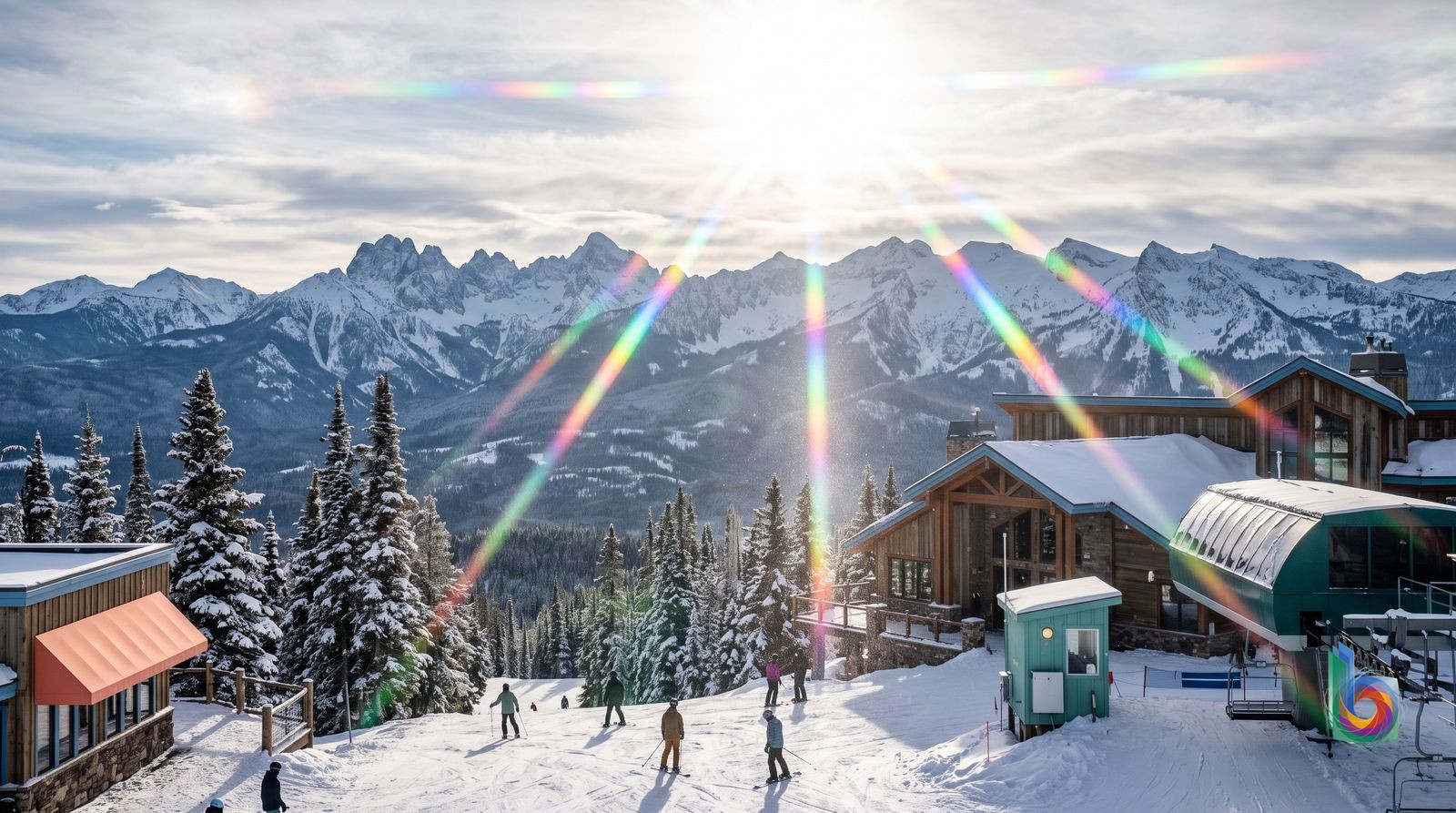
December–February
Winter is ski season at Whitefish Mountain Resort: snowy roads, short daylight hours, and limited access to Glacier’s headline drives and high-country trails. Christmas–New Year’s and Presidents’ Day are especially busy.
Winter driving requires properly equipped vehicles, rideshares are thin, and this is not the season for a classic Glacier hiking itinerary.
March–May
A quiet, often less expensive shoulder season with highly variable weather. Snow lingers at elevation; lower trails can be muddy and high-country Glacier access remains incomplete.
This is the least reliable period for hiking and park access: expect mud, changing weather, and seasonal services that may not yet be running.
June–July
The main summer hiking and Glacier-access season, with longer days and the broadest range of services. July is among the busiest months for Glacier.
Expect peak rates, crowded trails, constrained Glacier parking, and advance demand for fixed-capacity tours and backcountry permits.
August–October
August begins at summer peak, then usually improves as late August rolls into early fall: calmer trails, fall color, and often pleasant days. Weather becomes less predictable through September and October, while seasonal services start winding down.
Early August can still be crowded and smoky during wildfire periods; later in the season, quick weather shifts and reduced services are the compromise.
November
A transition month between fall and the reliable ski season. Conditions can be cold, snowy, or simply gray and wet, with limited high-country access and fewer seasonal services.
It is a poor choice for dependable Glacier access and too early to assume full winter conditions or full resort operations.
Christmas–New Year’s holiday period · Late December through early January
A major Whitefish Mountain Resort travel period. Reserve ski school, equipment rentals, and lessons well ahead; winter lodging, rental cars, and transport are also under greater pressure.
Presidents’ Day weekend · Usually mid-February
Another peak ski-period weekend. Book resort lessons and rentals early, and expect heavier demand for winter lodging and mountain-road-capable vehicles.
Walking
Downtown Whitefish and Station & East Downtown: the Amtrak depot, Central Avenue, shops, restaurants, bars, and the route toward City Beach/Whitefish Lake are the rare parts of town where going car-free feels natural.
Book downtown or near the station, then plan meals and evenings on foot. It is the best setup for rail arrivals and short stays.
Walking stops working well at Whitefish Lake & Lakeside, West Whitefish, the US 93 South commercial corridor, North Whitefish, Big Mountain Road, and Whitefish Mountain Resort Base Village. Sidewalks and useful destinations thin out quickly outside the core, and winter conditions make longer walks unappealing.
Rental car
Most visitors—especially anyone combining Whitefish with Glacier National Park, trailheads, Whitefish Mountain Resort, lake access, or Flathead Valley day trips. It is effectively essential for a flexible Glacier itinerary.
Reserve with your flight into Glacier Park International Airport rather than waiting for arrival. Keep fuel up, download/offline-map the mountain areas, and in winter insist on a vehicle properly equipped for snowy mountain roads.
Parking and summer crowds can complicate Glacier days, while snow and changing conditions shape winter driving on Big Mountain Road and around the resort. Do not drive after brewery or distillery stops; rideshares may not be available when you want one.
Eagle Transit local bus
A low-cost, schedule-led trip within Whitefish or the valley when your journey falls on its generally weekday-oriented service. It can be useful for a downtown-based traveler with one specific daytime errand.
Check the current timetable before committing; the listed local fare is about $1 per ride. Treat it as a planned connection, not a hop-on sightseeing network.
Limited weekday hours and infrequent coverage mean it does not support spontaneous sightseeing or reliable late-night returns. It is particularly weak as a substitute for a car at Whitefish Lake & Lakeside, Big Mountain Road, North Whitefish, and the US 93 South corridor.
Seasonal mountain and park shuttles
Whitefish Mountain Resort access when the seasonal SNOW Bus is operating, or tightly planned park travel when the seasonal Glacier Park Express is running. These are useful to travelers willing to build the day around a timetable.
Verify the current route, operating dates, stops, and return times directly before booking lodging or tours around them. The SNOW Bus can be helpful between town and the mountain; seasonal park service may help on specific Glacier days.
Service is seasonal and schedule-dependent, not an all-purpose network. It does not make Base Village, Big Mountain Road, or Glacier a spontaneous car-free outing, and options may be reduced or absent outside peak operating periods.
Taxi or rideshare
A short downtown-to-lake, station-to-hotel, or dinner ride when walking is impractical and you have confirmed a driver. It can fill an occasional gap for downtown visitors.
Pre-book where possible, particularly from Glacier Park International Airport, for early/late train times, and during winter weather. Have your hotel or restaurant help arrange a local taxi if needed.
Supply is thin—especially early morning, late at night, in snow, and outside downtown. Do not rely on an on-demand ride from Whitefish Mountain Resort, Big Mountain Road, Whitefish Lake, North Whitefish, or a Glacier trailhead.
Safety: For Glacier and mountain days, leave Whitefish with a full tank, offline maps, layers and bear spray, and never rely on late-night rideshares or cell service outside town.
Book before you land
Glacier National Park’s west side — Apgar, Lake McDonald and, when open, Going-to-the-Sun RoadFull day. West Glacier is about 27 miles east of Whitefish; allow roughly 45 minutes each way before park traffic, and much longer if traveling beyond Lake McDonald.
This is the reason most people base themselves in Whitefish. Apgar and Lake McDonald deliver the big water-and-peaks landscape quickly; a drive or shuttle trip up Going-to-the-Sun Road is emphatically more memorable than another lap of downtown shops. Do not treat it as a casual add-on: summer parking and traffic can consume the middle of the day, and the high road is seasonal and weather-dependent. Check the National Park Service’s current vehicle-reservation, shuttle and road-status rules rather than relying on old advice; requirements have changed from year to year.
Hungry Horse Dam and Reservoir, via Columbia FallsHalf day to a relaxed full day. Columbia Falls and Hungry Horse Dam are roughly 20 miles east of Whitefish; expect about 35–50 minutes each way, depending on the stop and road conditions.
A worthwhile lower-commitment mountain outing if you do not have a full Glacier day: the dam is one of the country’s largest concrete dams, and the reservoir and South Fork country feel markedly wilder than town. It is not a substitute for Glacier’s signature scenery, so pair it with Columbia Falls or make it your bad-weather/short-day alternative rather than giving it the day you had reserved for the park.
Flathead LakeFull day. Reaching the north end beyond Kalispell takes about 1–1.5 hours each way from Whitefish; allow more if exploring farther around the lake.
Go when you want water, swimming, paddling or a scenic lakeside day rather than another Whitefish Lake afternoon. It is the largest freshwater lake west of the Mississippi, with far more room and a distinctly broader, open-valley feel. The downside is simple: it is a lake day, not a concentration of must-see sights, and driving around its vast shoreline can turn into windshield tourism.
Researched Nov 17, 2026