December–February
Winter is mild and noticeably quieter than the beach season. Downtown remains pleasant for walking on decent days, but some seasonal beach businesses and tours cut hours.
Cooler, less reliable beach weather and reduced seasonal operations at the coast.
March–May
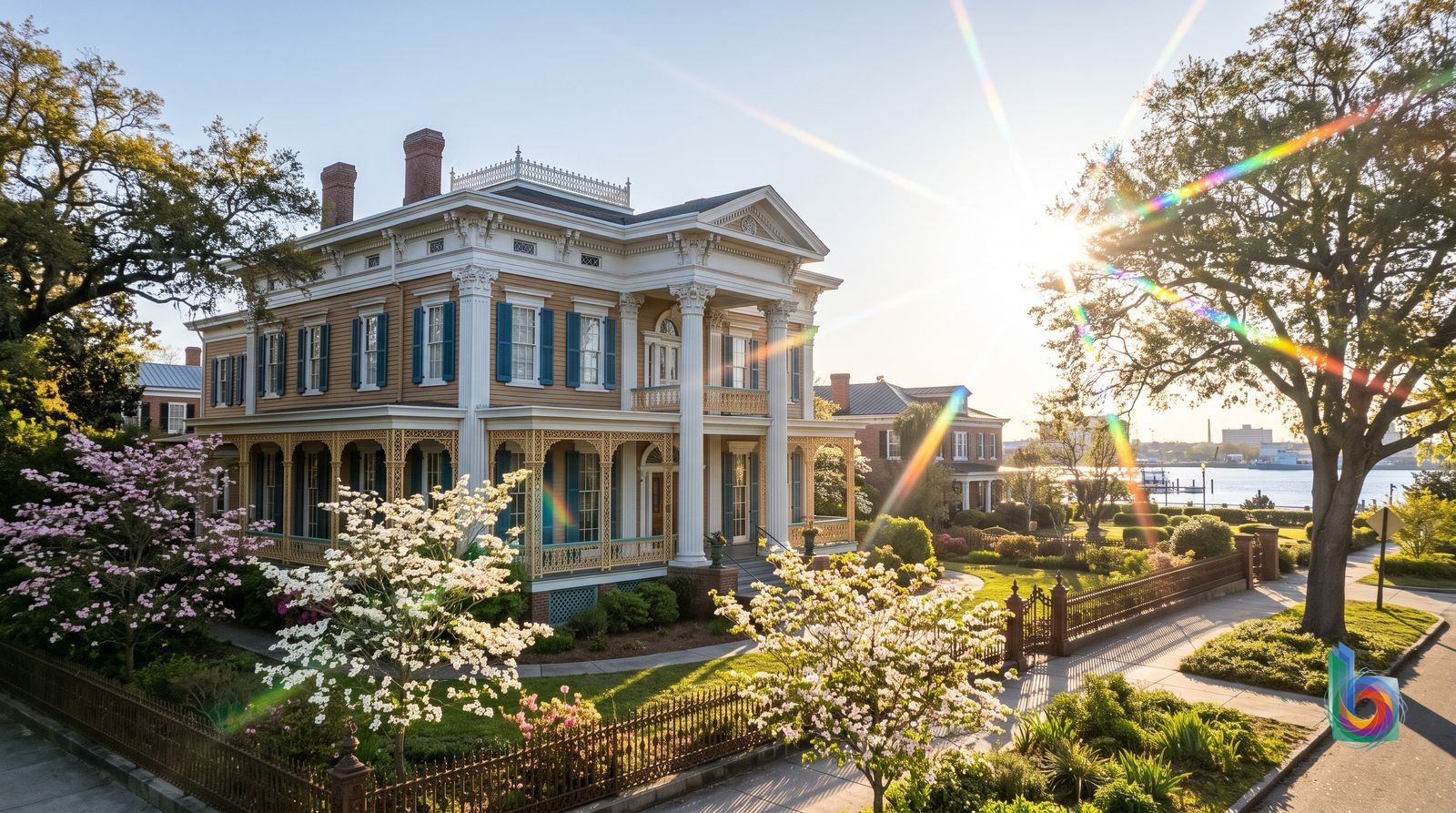
The best all-round season: milder temperatures suit both downtown walking and beach time, with generally less lodging pressure than summer. Early April is an exception because the North Carolina Azalea Festival brings a major demand spike.
Spring bloom and festival timing can make Airlie Gardens and early-April lodging much busier; pollen and changeable spring weather are possible.
June–August
Beach season means crowded shores, high lodging demand, and serious heat and humidity. Temperatures in the 80s °F can still produce an oppressive heat index.
Higher prices, heavier beach traffic, more difficult parking, and hurricane season begins June 1. Build in weather flexibility rather than treating coastal plans as fixed.
September–November
Another strong shoulder season, with milder conditions than high summer and generally lower lodging pressure. Early fall can still feel beach-ready, while later fall favors downtown and garden visits.
Hurricane season continues through November 30, so monitor forecasts and be prepared to adjust or cancel beach plans.
North Carolina Azalea Festival · Usually early April
This is Wilmington’s main annual trip-planning disruptor: crowds and lodging demand rise sharply. Buy tickets early for specific concerts, tours, and other ticketed festival events; do not assume ordinary early-April availability.
Walking
Historic Downtown & Riverwalk: the Riverwalk, Front Street, Market Street, Cotton Exchange and the house-museum area make a genuinely satisfying half-day or full day on foot. It also works between central downtown and the Front Street nightlife strip; Castle Street and Brooklyn Arts are reachable for confident walkers.
Stay downtown and plan clustered sightseeing rather than treating Wilmington as a citywide walking destination. Use the free weekday Port City Trolley as a helpful downtown supplement, not essential transport.
Walking stops being efficient beyond the historic core. South Front is a longer, hotter walk and can feel isolated after dark; Brooklyn Arts has less continuous pedestrian activity, especially once venues empty. Midtown, UNCW/College Road, Mayfaire, Airlie Gardens and every beach area are car-or-rideshare territory.
Rental car
The right default for beach-and-sights itineraries: Airlie Gardens, UNCW, Mayfaire, Wrightsville Beach, Carolina Beach and Kure Beach all become straightforward rather than logistical projects. It is also the sensible choice for travelers splitting time between downtown and the coast.
Rent at ILM if the trip includes more than downtown. Use MLK Jr. Parkway as the practical bypass when crossing town, and choose a Midtown/Market Street, UNCW or Mayfaire hotel if parking and road access outweigh downtown atmosphere.
Do not rent solely for a downtown weekend: the historic core rewards walking, and parking is not effortless everywhere. Avoid Market Street and South College Road at peak times; beach approaches, especially toward Wrightsville Beach, are slow and parking-constrained in summer.
Rideshare or taxi
A downtown-only weekend, airport transfers, evenings when driving is a nuisance, or one-off trips to Airlie, Mayfaire, UNCW or the beaches. It is the sensible way home after Front Street nightlife.
Use Uber or Lyft from ILM, downtown, and the main hotel districts. For late weekend nights around Front Street, arrange the ride before leaving the active bar-and-riverfront area and travel with your group.
Repeated rides to beaches and gardens add up quickly; a rental car is usually better value for a multi-stop itinerary. Availability and pricing can be less favorable late at night, after events, or for return trips from Carolina Beach and Kure Beach.
WAVE Transit and Port City Trolley
WAVE is a low-cost backup for visitors with time and a simple corridor-to-corridor trip. The free weekday Port City Trolley is more useful: take it as a downtown circulator between central sights rather than walking every block in heat or rain.
A regular WAVE ride costs about $2. Check the current timetable immediately before relying on a route; treat the trolley as a bonus for the Historic Downtown/Riverwalk area.
This is not a reliable car-free network for a short visit. Frequencies and coverage are too thin for efficient hopping, particularly in Cargo District, Midtown, UNCW/College Road and Mayfaire; it is not a practical substitute for driving to Wrightsville Beach, Carolina Beach or Kure Beach. Trolley service is weekday-only and limited.
Bicycle
Recreational rides and travelers already comfortable cycling on local streets. The River to Sea Bikeway and Cross City Trail are appealing ways to ride for their own sake, including the connection toward Wrightsville Beach.
Rent or bring a bike for a daytime trail ride, or use it for short local trips once based at Wrightsville Beach or Carolina Beach, where walking and cycling work better than driving for nearby errands.
The bikeways are not an efficient all-purpose replacement for a car. Wide, busy roads and traffic around Market Street, South College Road, UNCW and Mayfaire make cross-town cycling less relaxing; summer heat and beach traffic further reduce its usefulness.
Water taxi
A scenic riverfront connection to Battleship North Carolina and a pleasant break from walking downtown.
Use it as an attraction-plus-crossing from the downtown riverfront when operating, then return to the Historic District on foot or by trolley.
It is not a citywide water-transport network and does nothing for Airlie, midtown, the airport or the beaches. Do not build a schedule around it without checking current operating times.
Safety: Downtown is generally manageable, but after Front Street bars close (about 2:30–3:30 AM on weekends), stay with your group, use a rideshare rather than walking into unfamiliar blocks, and obey beach lifeguards and storm warnings.
Book before you land
Fort Fisher and Kure BeachFull day — roughly 45–60 minutes each way from downtown by car, plus time between the fort, aquarium and beach.
This is the best coastal day out when you want more than sand: pair Fort Fisher’s Civil War site with the North Carolina Aquarium at Fort Fisher, then use Kure Beach for a quieter shoreline than Wrightsville. It has actual substance; do not make the trip solely for a generic beach afternoon.
Southport via the Fort Fisher–Southport ferryFull day — allow about 7–9 hours door to door, including the drive to Fort Fisher, ferry waits/crossing and time in Southport.
Southport beats another downtown Wilmington day if you want a low-key, walkable old port town: historic houses, small shops and a waterside lunch, with the ferry ride being part of the point. It is charming rather than action-packed, and development is beginning to erode that charm, so go soon and do not expect a major-sights itinerary.
Masonboro IslandMost of a day — allow 5–7 hours door to door from downtown, including getting to Wrightsville Beach and coordinating the boat.
For a properly wild beach rather than a developed resort strip, take a water taxi from Wrightsville Beach to the Masonboro Island reserve. It is the escape that makes the nearby coast feel special: dunes, marsh and long undeveloped sand. Go only if weather is settled and you are happy to bring water, sun protection and everything you need; there are no town conveniences.
Carolina Beach State Park and Carolina BeachHalf to full day — about 35–50 minutes each way from downtown by car; longer in summer traffic.
The useful contrast to Wilmington is not the boardwalk alone but the state park’s trails and carnivorous-plant habitat, followed by the beach. Choose it if you want an easy, low-commitment nature-and-ocean day; skip it if you are seeking solitude in peak summer.
Researched Nov 16, 2026