How many days should I spend in Ho Chi Minh City on a first visit?
Give Saigon 2 full days at minimum, or 3 if you want Chợ Lớn, a serious food exploration, or a Củ Chi Tunnels trip without turning the visit into a race. In a day, plan no more than two major indoor sights plus one nearby neighbourhood walk or food stop; heat, rain and traffic make ambitious cross-city itineraries miserable.
Which area should I stay in?
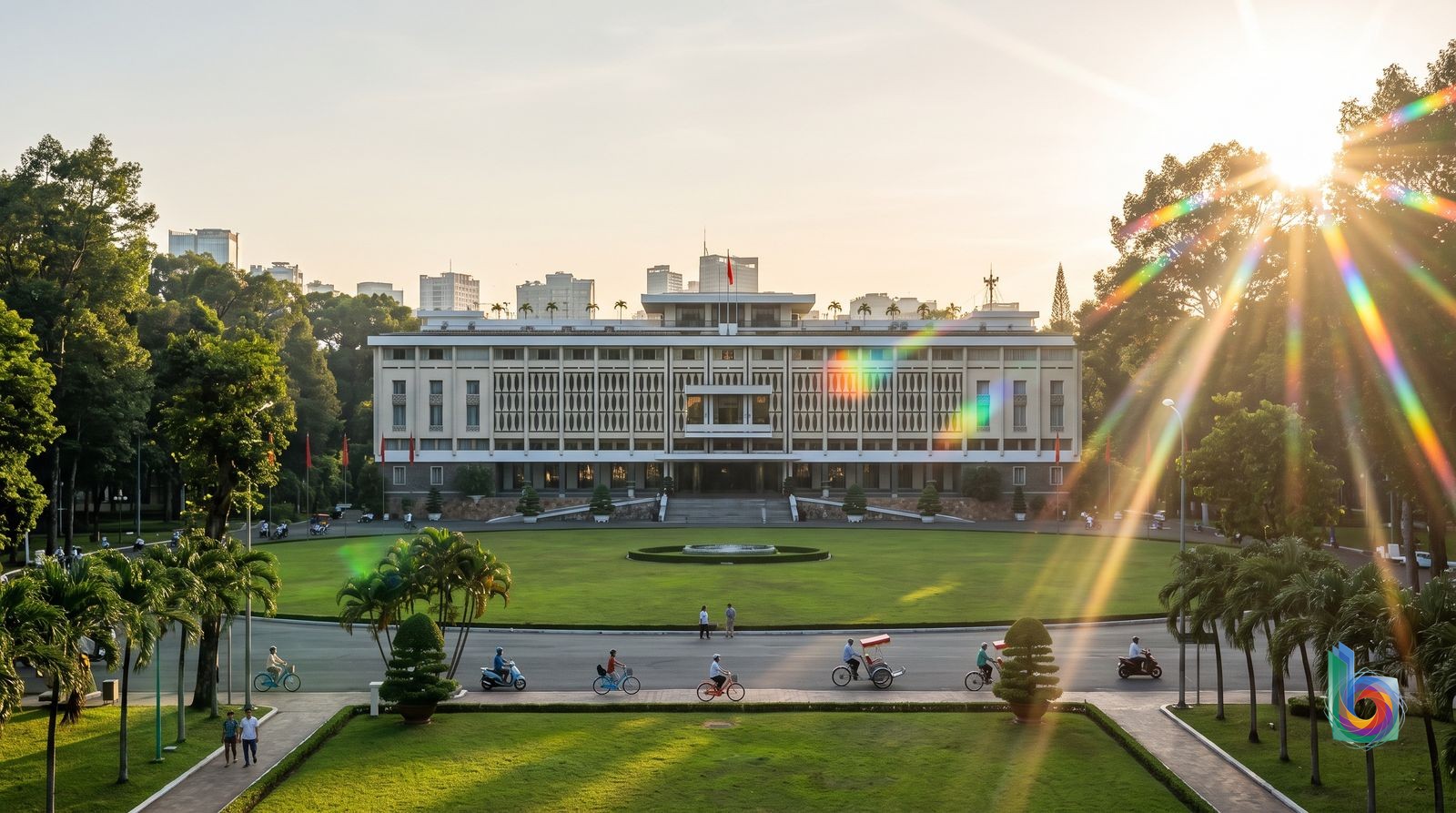
Stay in central District 1 for the simplest first visit: it puts the War Remnants Museum, Independence Palace, colonial core, Nguyễn Huệ and riverfront within manageable walking-and-Grab range. Choose District 3 for a calmer, more residential base with good food access, but avoid treating Phạm Ngũ Lão–Bùi Viện as representative Saigon unless backpacker nightlife is your priority.
Is it worth staying in Thảo Điền or near Metro Line 1?
Only if you specifically want the expat-oriented Thảo Điền/An Phú atmosphere or have business there; the metro makes the Bến Thành connection straightforward, but the last walk in heat still matters. For a first sightseeing-heavy stay, District 1 is more convenient, while Line 1 is useful as a corridor rather than a citywide transport solution.
What should I book before I arrive?
Do not pre-book standard central sights: the War Remnants Museum, Independence Palace, Ben Thanh Market and major museums are normally walk-up visits, so skip reseller ‘fast-track’ offers. Reserve a Củ Chi half-day tour 1–3 days ahead in busy periods if you need a particular hotel pickup or speedboat; water-puppet tickets can usually be bought on the day unless you need a weekend, holiday or group time.
What is the best way to get from Tan Son Nhat Airport to District 1?
With luggage or a late arrival, book Grab or use the official rank for a metered Vinasun or Mai Linh taxi; allow roughly 25–50 minutes in traffic and expect an airport entry charge. If you travel light, Bus 152 or the 109 express reaches the Ham Nghi/Bến Thành area in roughly 35–60 minutes—do not accept unsolicited arrival-hall taxi offers.
When is the best time to visit, and is the rainy season a deal-breaker?
December to February is the easiest first-visit window: generally drier, less humid and better for walking, though accommodation demand and prices rise. May to October is still workable for a food- and museum-led city break, but expect hot humidity and sudden hard downpours, so leave buffers for airport runs and day trips; March and April can be punishingly hot.
Should I avoid Tết?
Avoid it if you want normal routines and spontaneous onward travel: around late January or February, transport sells out, lodging demand rises and many restaurants, shops and museums run altered hours. Book flights, trains, buses and accommodation early if you go, and expect a quieter-than-usual central city.
Can I explore the city on foot, or should I rely on Grab?
Walk compact District 1 clusters, not the whole city: the Palace, War Remnants Museum, Post Office/Notre-Dame area, Nguyễn Huệ and riverfront can be sensibly paired. Use Grab for District 3, Chợ Lớn, District 4, Thủ Thiêm and rain-or-heat escapes; Metro Line 1 is helpful only along its Bến Thành–Suối Tiên axis.
Should I rent a motorbike in Ho Chi Minh City?
No, unless you are already highly competent in dense Vietnamese urban traffic and have the proper documents and safety gear. Grab is the far safer short-visit default; apparent motorbike freedom is not worth the risk in Saigon’s traffic.
What practical safety habits matter most?
Treat motorbike snatch theft as the main practical risk: keep your phone, camera and bag on the building side of the pavement and never leave valuables at a streetside café table. Ignore strangers offering rides, tours, home invitations or fixed-price deals, and use the Grab app or visibly metered taxis rather than negotiating on the street.


 1


