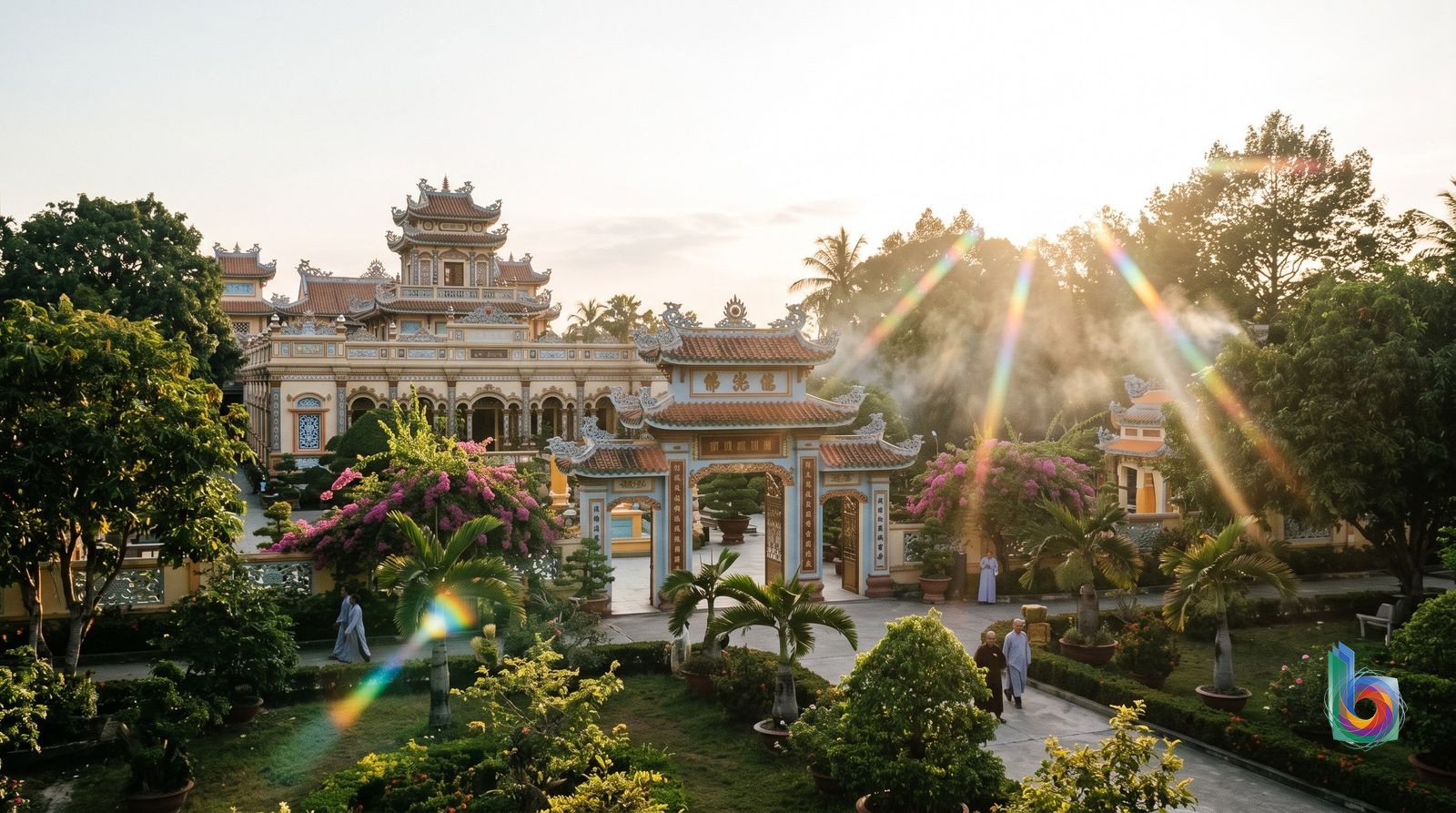
My Tho, a city in the Mekong Delta region of Vietnam, offers a unique blend of traditional Vietnamese culture and modern lifestyle. Known for its vibrant street life and rich cultural heritage, My Tho is a hub for both locals and visitors seeking an authentic experience. The city is famous for its floating markets, particularly the Cai Be Floating Market, where vendors sell fresh produce and local delicacies from boats. This market not only showcases the local food scene but also reflects the lifestyle of the people living along the Mekong River. The cost of living in My Tho is relatively low compared to larger Vietnamese cities like Ho Chi Minh City. Daily expenses can range from $10 to $20, making it an affordable destination for budget travelers. Accommodation options vary from budget hostels to mid-range hotels, with prices typically ranging from $10 to $50 per night. The local cuisine is diverse, with street food being a highlight; dishes such as "hu tieu" (noodle soup) and fresh seafood are readily available at reasonable prices. Cultural practices are deeply rooted in the lifestyle of My Tho residents. Festivals such as the Tet Festival (Lunar New Year) and the Mid-Autumn Festival are celebrated with great enthusiasm, showcasing traditional music, dance, and food. The city also has several temples and pagodas, including the Vinh Trang Pagoda, which is a significant cultural landmark and attracts both worshippers and tourists alike. Safety in My Tho is generally good, with low crime rates compared to other urban areas in Vietnam. However, like any city, petty crime can occur, so visitors are advised to remain vigilant. The city is also well-connected by public transport, with buses and taxis available, although walkability can vary in different areas. Overall, My Tho presents a lifestyle that is both culturally rich and economically accessible, making it an attractive destination for those looking to immerse themselves in Vietnamese culture while enjoying a relaxed pace of life.
The mental map
Destination profile
Where to stay
Where to eat
 Hủ Tiếu Mỹ ThoVietnamese Restaurant · $4.9 · 277 reviews
 Hủ Tiếu Chay Chùa Phật ÂnAsian Restaurant · $4.4 · 241 reviews
 Quán Hủ Tiếu 44Restaurant4.3 · 422 reviews
 Hủ Tiếu Tuyết NgânVietnamese Restaurant4.2 · 3,776 reviews
 Halal MekongHalal Restaurant · $$4.4 · 17 reviews
 Nhà hàng Trung LươngVietnamese restaurant, Breakfast restaurant3.8 · 3,036 reviews