Ho Chi Minh City is Vietnam’s great southern urban-and-sea region, not merely “Saigon city”: a kinetic commercial core and food capital wrapped around old Chinese trading districts, wartime landscapes, mangroves, industrial fringes and a far-flung coast. Come for the street food, coffee, commerce and Vietnam War history first; add seafood, beaches or Côn Đảo only if you have the days. The 2025 municipal merger puts Củ Chi, Vũng Tàu, Hồ Tràm and Côn Đảo inside the same administrative HCMC, but transport still treats them as separate destinations.
1 · Base · 1–3 days
Central Saigon
The essential first base: District 1, District 3 and the riverfront pack in the museums, historic core, cafés, hotels and the city’s most useful food radius. Stay around Nguyễn Huệ, Bến Thành or Tao Đàn rather than on Bùi Viện unless nightlife is the point.
first-timers · short stays · foodies
Explore Central Saigon2 · Short stop · 1 day
Chợ Lớn / Chinatown
Saigon’s old Chinese-Vietnamese trading city is where temples, medicine shops, markets and serious eating still outweigh polished sightseeing. It is spread out, so treat it as a Grab-linked half or full day rather than a leisurely midday wander.
repeat visitors · foodies · photographers
3 · Short stop · 1 day
District 4 and Khánh Hội
Come after dark for seafood, snails, grills and beer in a dense former dockside neighborhood just over the canal from downtown. Vĩnh Khánh is the obvious strip—busy and slightly performative at peak time, but still a good introduction.
night eaters · street-food travelers · short-stay visitors
4
Thảo Điền, An Phú and eastern Thủ Đức
A greener, calmer east-side counterweight to central Saigon, with cafés, galleries, design shops and contemporary dining. It works for a longer stay, not for travelers who want to spend every day ticking off downtown sights.
families · digital nomads · design-minded travelers

5 · Short stop · 1 day
Củ Chi
The region’s most worthwhile wartime-history outing, centered on the tunnel complexes at Bến Dược and Bến Đình. Choose Bến Dược for the more substantial visit; allow a full day because traffic makes this far more than a casual side trip.
history-minded first-timers · educational trips · travelers comfortable with heat and crowds
6 · Short stop · 1 day
Cần Giờ
A mangrove-and-fishing-town escape for boat trips, birdlife and seafood, not a beach holiday. Go for the biosphere reserve and the abrupt change of pace from Saigon; the black-sand shore is not comparable with the proper coast.
nature-minded travelers · families · repeat visitors

7 · Base · 2–3 days
Vũng Tàu
The closest practical sea break from Saigon: a built-up Vietnamese beach city with early-morning promenades, Small Mountain, the lighthouse, bánh khọt and excellent seafood. It is best as a one- or two-night add-on, preferably on weekdays.
first-time beach add-ons · families · groups
8 · Base · 3 days
Long Hải, Phước Hải, Hồ Tràm and Hồ Cốc
The better coastal choice when the aim is beach walks, resort time and quiet rather than urban resort-town energy. Base in Hồ Tràm for easy resort logistics or Hồ Cốc for a slightly less developed feel; arrange a car rather than expecting walkability.
couples · families · resort travelers
9 · Base · 4 days
Côn Đảo
A separate island trip, not an extension to squeeze into a Saigon weekend: prison history, Hàng Dương Cemetery, national-park outings, reefs and turtle conservation give it real weight. Fly from SGN and give it at least three nights.
wildlife travelers · divers and snorkelers · history-minded visitors
10
Thủ Dầu Một and the Bình Dương craft belt
A second-visit detour for ceramics, lacquerware, temples and the reality of the northern industrial fringe. It is worthwhile with a specific craft interest, local guide or business reason, but should not displace Saigon, the coast or Côn Đảo on a first trip.
repeat visitors · craft buyers · architecture and urbanism enthusiasts
War Remnants Museum
This is the city’s essential, often emotionally difficult, introduction to the Vietnam War and its human consequences.
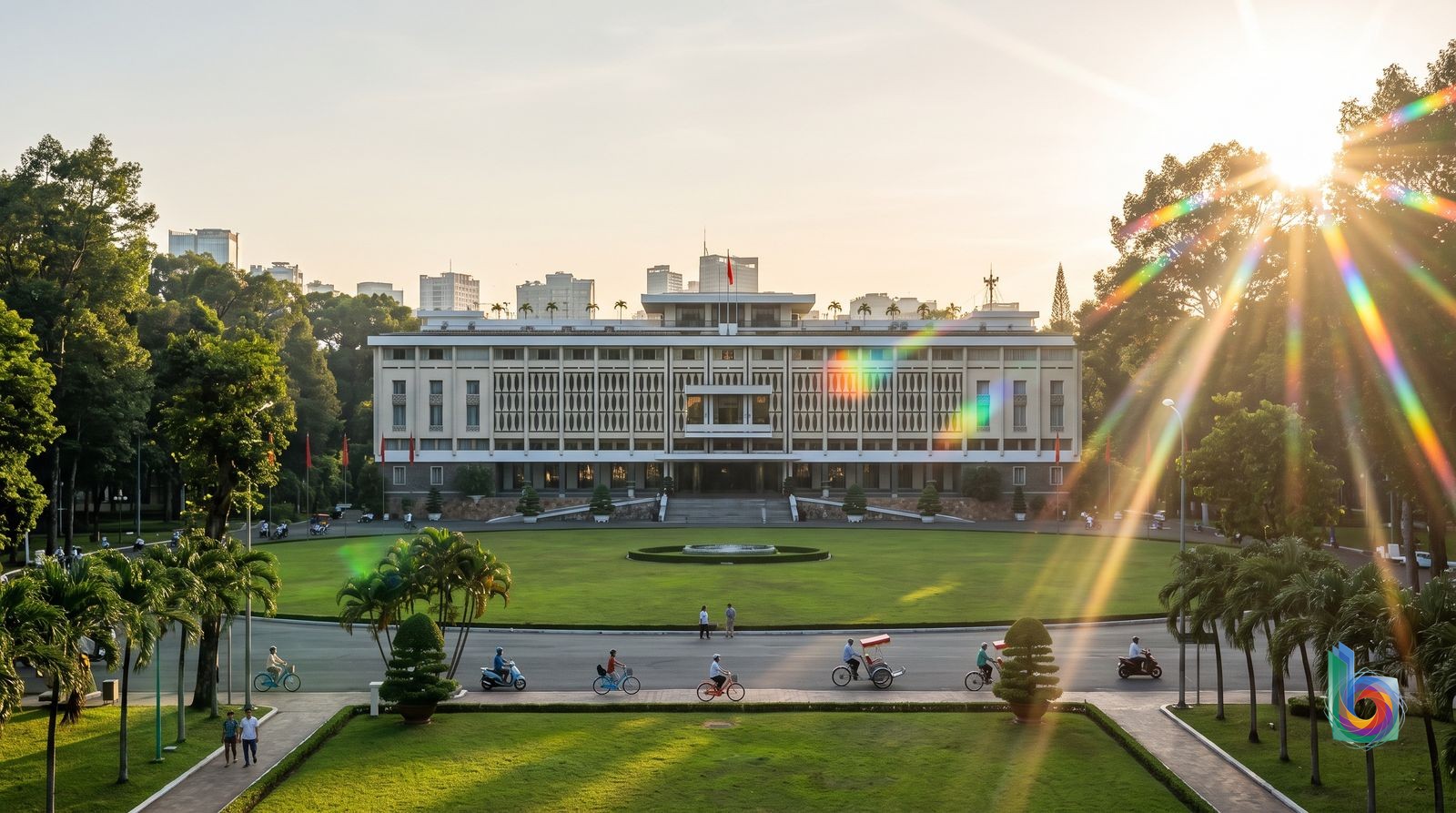
Independence Palace
The preserved former seat of power makes the political story behind modern Saigon tangible in a way that the museums cannot.
Ben Thanh Market
This is the central-market experience most visitors want at least once: food, souvenirs, textiles, and relentless bargaining in a compact setting.
Cu Chi Tunnel
The tunnel complex makes the logistics and conditions of guerrilla warfare more concrete than city museums can, even though the experience is heavily interpreted for visitors.
Notre-Dame Cathedral Basilica of Saigon
The red-brick cathedral remains one of the most recognizable anchors of the former French quarter, even when interior access is limited.
Saigon Central Post Office
This functioning post office is one of the city center’s most successful surviving public interiors and is worth seeing even if you send nothing.
Numbers match Where to go · dots are headline sights
SGNTan Sơn Nhất International Airport, Ho Chi Minh City
The overwhelmingly practical gateway for central Saigon and the whole region, with international service and domestic flights including Côn Đảo. It is the right arrival point for Củ Chi, Cần Giờ, Vũng Tàu and Hồ Tràm; allow serious time for city traffic rather than trusting map estimates.
Flights and transfers into Ho Chi Minh CityVCSCôn Đảo Airport, Côn Sơn
Use this only when Côn Đảo is the destination. Most visitors fly via SGN; it is a separate island trip, not an add-on reached casually from the mainland coast.
Vũng Tàu ferry terminal
Fast boats from central Saigon can be a useful alternative to road transfers for Vũng Tàu when schedules and weather cooperate. Treat them as transport with limited departures, not a guaranteed scenic shortcut; book/check close to travel.
Flights and transfers into Vũng TàuPlan 3–5 nights in central Saigon for a first visit, with one full-day trip to either Củ Chi or Cần Giờ. Add 1–2 nights for Vũng Tàu, 2–3 for Hồ Tràm or Hồ Cốc, and at least three nights for Côn Đảo.
Base yourself in Central Saigon, around Nguyễn Huệ, Bến Thành or Tao Đàn, for the easiest access to museums, food, cafés and the historic core. District 1 and District 3 suit most first-timers; choose Thảo Điền or An Phú only if you prefer a quieter, longer-stay base.
Choose Củ Chi for Vietnam War history—Bến Dược is the more substantial tunnel visit—or Cần Giờ for mangroves, boat trips and seafood. For a beach extension, Vũng Tàu is the closest practical option, while Hồ Tràm and Hồ Cốc are better for quieter resort time; treat Côn Đảo as a separate island trip.
Vietnam’s e-visa is available to citizens of many countries, while some ASEAN and selected European passport holders have visa-exempt stays. Requirements, permitted lengths of stay and eligible entry points change, so confirm them with Vietnam Immigration before booking; Tan Sơn Nhất (SGN) is the usual international gateway.
In the city, use GrabCar or GrabBike, taxis and Metro Line 1; walk only short stretches, especially outside the midday heat. Củ Chi and Cần Giờ are full-day outings, best done by organized tour or private car, while Vũng Tàu is reached by booked road transport or, when schedules and weather cooperate, fast boat; fly SGN–VCS for Côn Đảo.
December–March is the best all-round period for combining Saigon with Vũng Tàu or Hồ Tràm: hot but drier, less humid and generally better for beaches. May–November has workable mornings but heavy afternoon rain, with September–October least convenient for flooding and traffic; Côn Đảo is best for easier dry weather from November–April or turtle nesting from June–September.
Book coastal accommodation and transfers early for weekends, Tết, April 30–May 1 and the September 2 holiday, when Vũng Tàu, Long Hải, Hồ Tràm and Hồ Cốc fill quickly. For Côn Đảo, arrange flights and National Park turtle-nesting or hatchling-release excursions well ahead, especially around June–September.
Where to stay
Picked from Vũng Tàu.