
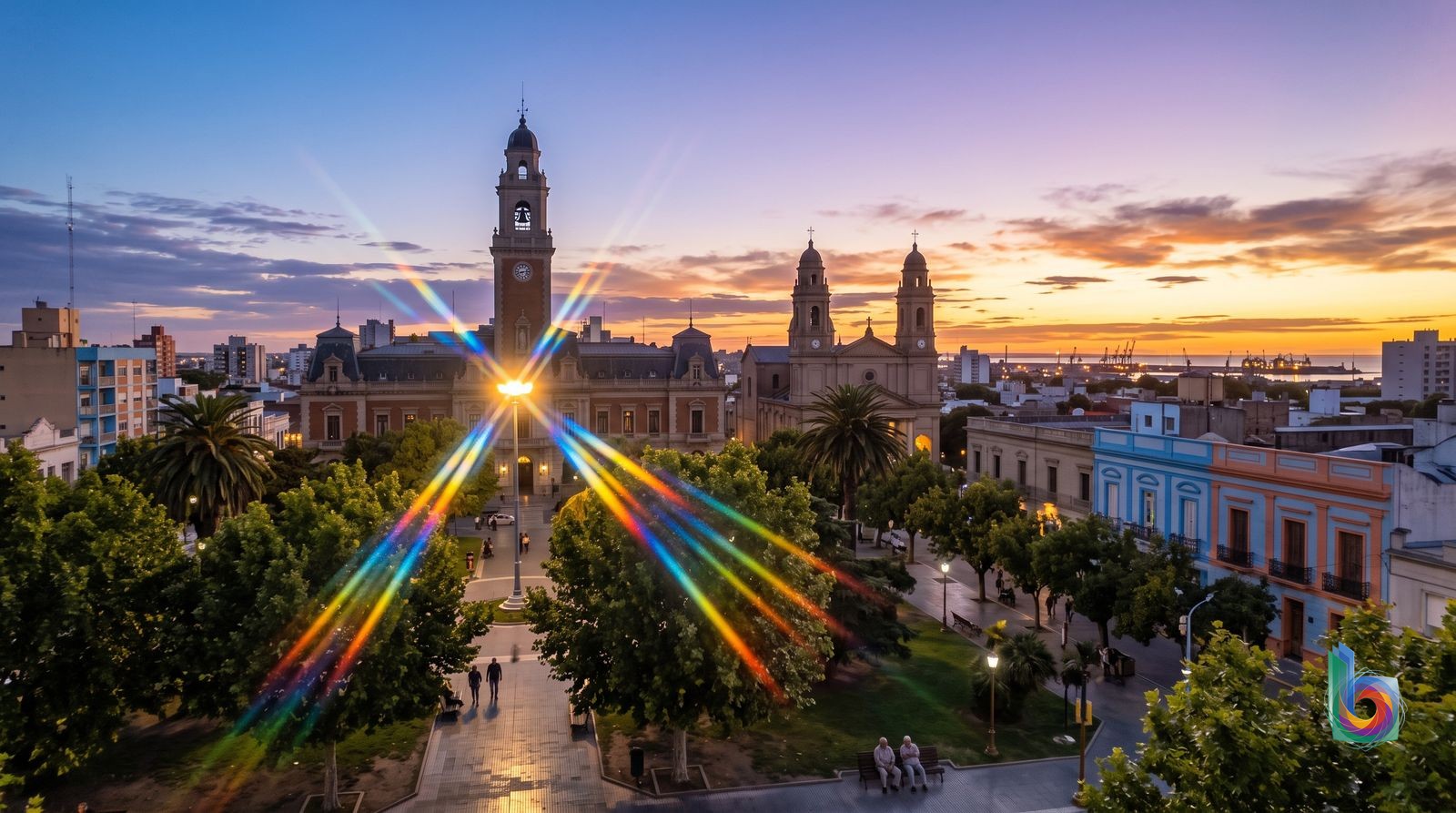
First visit? Stay in Centro / Plaza Rivadavia.
For a first Bahía Blanca stop, this is the only base that puts the compact historic core, Plaza Rivadavia, Calle Alsina and the broadest practical hotel choice within an easy walk. It is not glamorous and can go quiet on Sundays, but it minimizes taxi dependence and makes sense of a short visit.
luxury →
Choose the central core for the city’s more upscale, full-service hotel options and the convenience to match. Palihue is leafier and more residential, but it is not a reliable visitor-hotel district and requires transport for nearly everything.
value →
A central address saves money and time on taxis while keeping sights, shops and bus connections close. Estación Sud / southern macrocentro can work when a specific hotel rate is clearly better, but its streets are less pleasant after hours and its location is less useful.
family →
This is the better family compromise: more space and park access than Centro, with Avenida Alem’s restaurants within reach. Book only if you are comfortable using buses or taxis for the historic center; Palihue is quieter but more detached.
nightlife →
Stay along the lower-to-middle Alem corridor for the city’s best concentration of dinners, bars and student energy. Do not expect Buenos Aires-scale nightlife, and avoid a room directly over an active venue if you want an early night.
quiet →
Pick Palihue for greenery, larger residential streets and a deliberately calm atmosphere—especially with a car or a confirmed taxi plan. Napostá / Parque de Mayo is the more convenient quiet-ish alternative if restaurant access matters.
rail-day-trips →
Choose Centro for flexibility rather than for rail convenience: Bahía Blanca’s former station area should not be treated as a dependable passenger-rail day-trip base. From the center, taxis, remises and city buses are easier to organize, and you remain walkable to the city’s actual sights when transport plans change.
return-visitor →
For a longer, repeat visit or a stay with local connections, Villa Mitre offers a more everyday, potentially better-value version of Bahía Blanca. It is not a sightseeing base: choose Napostá / Parque de Mayo instead if you still want parks and easier access to Alem.
Avoid sleeping near Ingeniero White: Visit it for port and immigrant history, but do not make it the default overnight base. It is outside the central walking area, visibly industrial in character, and the bayfront is not a beach or leisure waterfront.
Avoid sleeping near Estación Sud / southern macrocentro — the immediate station-side blocks: A hotel can be fine if the price is compelling, but travelers often find the immediate surroundings anonymous and thin on dining or evening street life. Rail infrastructure does not translate into a useful tourist rail hub.
Avoid sleeping near Barrio Patagonia: This outer residential district makes a short visit feel car-dependent: Centro, Avenida Alem, museums and nightlife all require a trip. Its calm is useful only when you have a car, family reasons, or a specific rental.
The neighborhoods
Pick the areas you want to be around — the hotels and tables below narrow to them.
Stay here Fine base Visit, don't sleep
Centro / Plaza RivadaviaFirst-timer default
Historic core, easiest first stay
The compact civic and commercial center around Plaza Rivadavia is where Bahía Blanca makes the strongest first impression: late-19th- and early-20th-century facades, the cathedral, municipal buildings, shops, cafés and the most practical concentration of hotels. It is a working Argentine city center rather than a polished heritage quarter, but it is the sensible base for a short first visit.
Vs. others: Pick Centro / Plaza Rivadavia over Avenida Alem & Universidad if you want the historic sights and the broadest hotel choice on foot; pick Avenida Alem & Universidad if evening restaurants and a younger atmosphere matter more.
There is no metro. This is Bahía Blanca's most walkable base: Plaza Rivadavia, the central historic buildings and the start of Calle Alsina are close together, and city buses converge through the center. Taxis and remises are easy to find.
Best for: first-timers, value, families, walkers, short stays
The commercial center can feel quiet and shuttered outside business hours, especially on Sundays. · Traffic and parking are more irritating here than in residential districts. · Restaurant choice is functional rather than destination-level, apart from the Alem direction.
See hotels in Centro / Plaza RivadaviaAvenida Alem & UniversidadExcellent base
University energy and dinner streets
The Alem corridor runs northwest from the center toward the university side of town and is Bahía Blanca's most useful food-and-evening strip. Its pull comes from restaurants, bars and student life rather than landmark sightseeing; it is a better place to eat after a day in the center than a self-contained tourist district.
Vs. others: Pick Avenida Alem & Universidad over Centro / Plaza Rivadavia if dinners, bars and a livelier evening street are your priority; pick Centro / Plaza Rivadavia if this is your first Bahía Blanca visit and you want the historic core closest.
No metro. The lower end of Alem is walkable from Plaza Rivadavia and the theater area; the university end is farther out, so check the municipal bus map or use a taxi/remise after dark. It is a corridor, not a single compact pedestrian zone.
Best for: nightlife, foodies, return-visitors, younger travelers, couples
Noise can be an issue near active bars and late-night dining. · The farther northwest you stay, the less convenient the historic center becomes on foot. · Its nightlife is local and student-oriented, not a big-city club scene.
See hotels in Avenida Alem & UniversidadNapostá / Parque de MayoExcellent base
Green edge beside the university
Around the Napostá stream, Parque de Mayo and the university-facing streets, this is the city's more open, green-leaning side. It works well for a longer stay and for combining Alem restaurants with park walks, but it is more a lived-in university-and-recreation area than a neighborhood packed with visitor sights.
Vs. others: Pick Napostá / Parque de Mayo over Palihue if you want parks and easier access to Alem's restaurants; pick Palihue if residential quiet and a more upscale house-and-garden setting matter most.
No metro. It is walkable to parts of Avenida Alem, while Plaza Rivadavia is a longer walk; buses serve the wider area, but routes and timetables should be checked on the municipal system. Taxis are the simpler evening option.
Best for: families, quiet, runners, return-visitors, longer stays
Accommodation is less concentrated than in Centro. · The park is a pleasant daytime asset, not a reason to wander isolated paths late at night. · You will likely use buses or taxis more than from the central core.
See hotels in Napostá / Parque de MayoPalihueAcceptable base
Leafy, upscale, deliberately residential
Palihue is a low-key residential district of larger homes, greenery and quieter streets rather than a visitor quarter. It can be comfortable if you have a specific lodging there or value calm over convenience, but it is not where a first-time visitor should expect to step outside into cafés, museums and city life.
Vs. others: Pick Palihue over Napostá / Parque de Mayo if peace, space and a residential feel outweigh restaurant access; pick Napostá / Parque de Mayo if you want greenery without being as detached from Alem and the center.
No metro. Local buses connect outward districts to the center, but this is not a practical walk to Plaza Rivadavia or the major sights. A car, taxi or remise makes the stay substantially easier.
Best for: quiet, families, luxury, travelers with cars, longer stays
It is residential enough to feel isolated for visitors. · Dining, shopping and sightseeing are not on the doorstep. · A quiet address can become inconvenient if you are dependent on public transport at night.
See hotels in PalihueVilla MitreAcceptable base
Local neighborhood, market-day feel
Villa Mitre is an established, working residential neighborhood with a strong local identity and everyday commerce. It offers a more ordinary slice of Bahía Blanca than the center, and can suit a repeat visitor or someone staying with locals, but it does not justify moving here for classic sightseeing.
Vs. others: Pick Villa Mitre over Centro / Plaza Rivadavia if you want a more local, potentially better-value residential setting; pick Centro / Plaza Rivadavia if you want to walk to Bahía Blanca's principal historic sights and hotels.
No metro. Buses link the neighborhood with the center, but Plaza Rivadavia is not the sort of walk most short-stay visitors will want to repeat. Use the municipal bus information and keep taxis/remises in mind for late returns.
Best for: value, return-visitors, travelers seeking local life, longer stays
There is little visitor infrastructure compared with the center. · The experience depends heavily on the exact address and bus connection. · It is a place to live or visit locally, not a polished wandering district.
See hotels in Villa MitreIngeniero WhiteVisit, don't sleep
Port history under industrial reality
Ingeniero White is the port neighborhood to visit for maritime and immigrant-history atmosphere, port-related museums and a rough-edged sense of why Bahía Blanca matters economically. It is picturesque in parts but visibly run-down in others, and the working port and petrochemical industry are inseparable from the experience.
Vs. others: Pick Ingeniero White over Centro / Plaza Rivadavia if you want port character and industrial history; pick Centro / Plaza Rivadavia if you want architecture, dining and an easy hotel base.
No metro. It sits outside the central walking area, so reach it by city bus, taxi or remise rather than attempting to combine it with a casual stroll from Plaza Rivadavia. Treat it as a half-day excursion.
Best for: history-minded travelers, photographers, return-visitors, industrial heritage enthusiasts
It is a working industrial-port environment, with petrochemical facilities rather than waterfront leisure infrastructure. · Some streets and buildings feel neglected. · It is not a beach district, despite being on the bay, and it is inconvenient as a base for central sights.
See hotels in Ingeniero WhiteEstación Sud / southern macrocentroAcceptable base
Practical lodging, thin street life
The area south and southeast of the historic core, around the former rail-station zone and broad city streets, is a practical rather than charming lodging catchment. It can put a hotel within a manageable distance of Centro, but the appeal is usually the property itself, not the immediate neighborhood.
Vs. others: Pick Estación Sud / southern macrocentro over Centro / Plaza Rivadavia if a particular hotel rate or onward-road convenience is decisive; pick Centro / Plaza Rivadavia if you want a more attractive and useful walking environment.
No metro. Depending on the precise address, the center may be walkable, but it is less pleasant and direct than staying by Plaza Rivadavia. Buses, taxis and remises are the realistic backup; do not choose it assuming frequent passenger rail will organize your stay.
Best for: value, one-night stopovers, business travelers, travelers passing toward Patagonia
The streets can feel anonymous and less inviting after business hours. · It lacks the concentrated restaurants and historic fabric of Centro or Alem. · Rail infrastructure should not be mistaken for a reliable tourist day-trip advantage.
See hotels in Estación Sud / southern macrocentroBarrio PatagoniaVisit, don't sleep
Outer-suburban calm, car preferred
Barrio Patagonia is a quieter, more spacious outer residential option, useful mainly for travelers with a car, a family visit or a specific apartment or house rental. It gives little access to the compact city experience that makes Bahía Blanca worth stopping in.
Vs. others: Pick Barrio Patagonia over Palihue if you specifically need an outer-suburban home-style stay or have local reasons to be there; pick Palihue if you want a quieter residential setting with a more plausible connection to the city's restaurant-and-park side.
No metro. Buses provide the public-transport connection, but this is not walkable to Plaza Rivadavia, Avenida Alem or the main sights. A rental car or taxis/remises are much more practical.
Best for: quiet, families, travelers with cars, longer stays
It is far from the visitor core and can make a short stop feel spent in transit. · Restaurants, museums and nightlife require a trip rather than a stroll. · Its residential calm is not a substitute for a scenic countryside or beach stay.
See hotels in Barrio PatagoniaWhere to stay


