- Pace
- Give a first visit at least four full days; six or seven is the sensible target. Keep one base throughout, group sights by district, and treat a 30–50-minute cross-city transit ride as normal; Köpenick, Wannsee and Spandau can take about an hour each way. A long weekend covers central history plus one or two neighbourhoods, while an eight-to-ten-night trip can add City West, deeper museum time and one green-edge day without turning the visit into a commute.
- When to go
- Late May through June and September are Berlin’s best all-round windows: enough warmth and daylight for parks, canals and neighbourhood wandering without peak summer’s worst hotel prices and crowds. March, early April and November work well for a museum-heavy, budget-conscious trip, while June–September is best for lakes, open-air life and nightlife. Avoid Christmas-market weekends, Pentecost/Carnival of Cultures, peak July–August weekends and the Festival of Lights if crowds or inflated central hotel rates irritate you.
- Daily budget
- €210–340
Berlin is Germany’s capital and a city-state, not a compact old-town stop: a huge, decentralized metropolis of former cities, industrial quarters, lakes, forests and fiercely distinct neighbourhoods. Come for the hard 20th-century history—Prussia, Nazism, the Holocaust, division and reunification—but stay for the collision of heavyweight museums and architecture with Turkish, Arab, Vietnamese, Jewish, Eastern European and international food, serious music and club culture, parks, and unusually informal everyday street life. Its real strength is range rather than postcard prettiness.
Known for
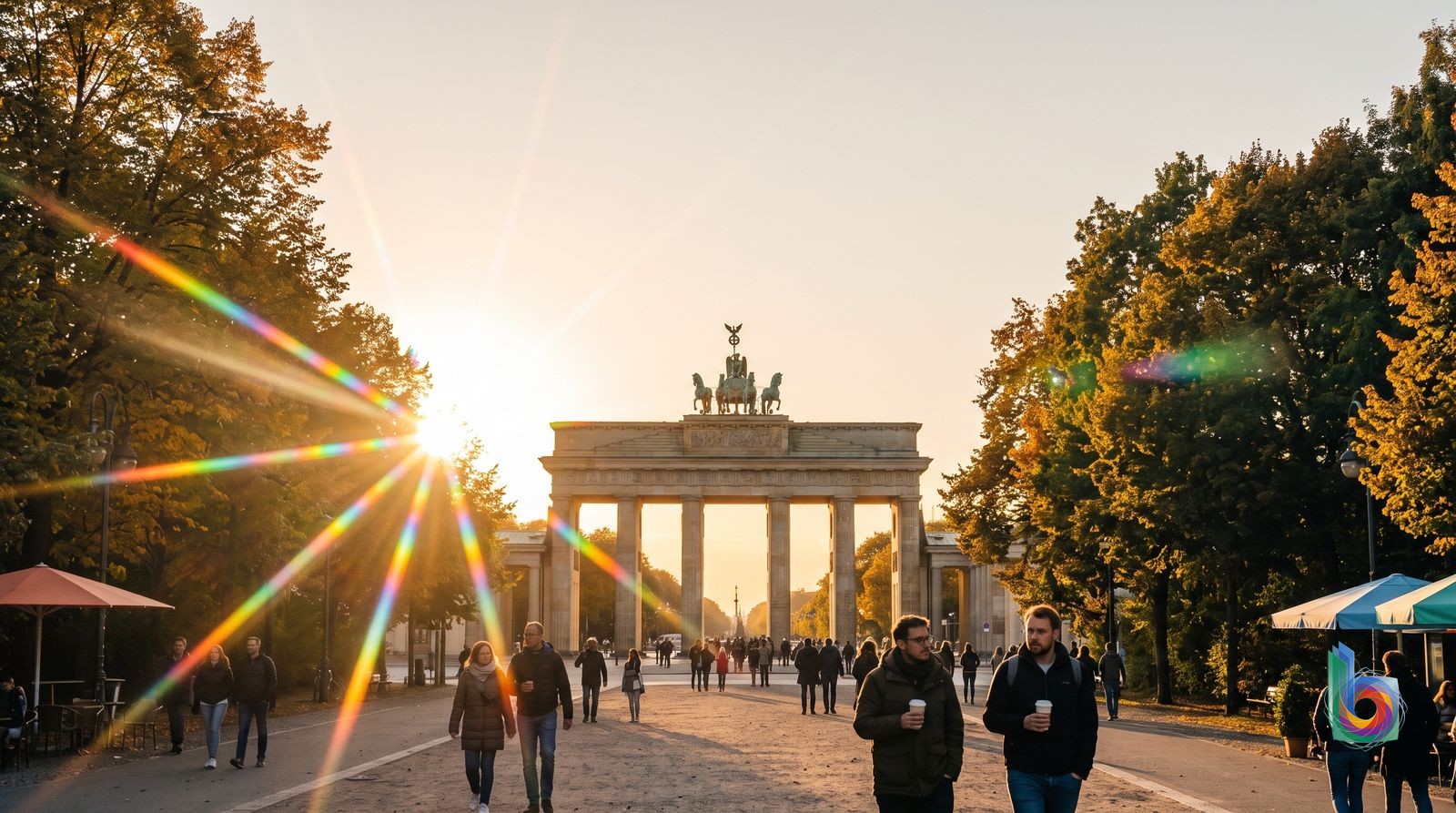
- The Brandenburg Gate, Reichstag and the symbols of reunified Germany
- The Berlin Wall, East Side Gallery and Cold War history
- Museum Island and major history, art and archaeology museums
- Holocaust and Nazi-era memorials and documentation sites
- Techno clubs, electronic music and late-night culture
- International food culture, especially Turkish-German Berlin
Where to go
Mitte: Museum Island, Unter den Linden, Nikolaiviertel and Alexanderplatz
1Short stop · 0.75–1.5 days
Mitte: Museum Island, Unter den Linden, Nikolaiviertel and Alexanderplatz
The essential first-visit core for Museum Island, the Cathedral, Unter den Linden, the TV Tower and Berlin’s big symbolic sights. Stay for efficiency and history, not for the city’s best evenings.
first-timersshort stayshistory loversarchitecture lovers
Explore Mitte: Museum Island, Unter den Linden, Nikolaiviertel and Alexanderplatz Government Quarter and Tiergarten
2Government Quarter and Tiergarten
Short stop · 1 day
Pair the Reichstag, Brandenburg Gate and Holocaust Memorial with Tiergarten’s welcome stretch of parkland. It is Berlin’s clearest statement of reunified Germany, but goes quiet after office hours.
political historyfamiliesrunners
 3
Kreuzberg
Short stop · 1–1.5 days
Come for Turkish-German food, canal walks, bars and a lived-in alternative edge that central Berlin lacks. Bergmannkiez is calmer; the Kottbusser Tor end is louder, rougher and more nightlife-driven.
foodiesnightlifecreative travelers
Friedrichshain and the East Side Gallery
4Friedrichshain and the East Side Gallery
Short stop · 1–1.25 days
The East Side Gallery makes this an essential Wall stop, while Boxhagener Platz and former industrial spaces supply bars, markets and club-adjacent Berlin. Expect crowds around the Wall and noise around the party streets.
younger travelersstreet-art fansclubbers
Prenzlauer Berg and Mauerpark
5Prenzlauer Berg and Mauerpark
Short stop · 0.5–0.75 days
A polished former-East district for handsome streets, bakeries, bookshops and easy café life. Go on Sunday for Mauerpark’s flea market and karaoke; skip it if you want Berlin at its rawest.
couplesfamiliesbrunch lovers
 6
Neukölln
Short stop · 0.75–1.25 days
Inner Neukölln delivers Berlin’s most international everyday food scene, good bars and easy access to Tempelhofer Feld. It is a better choice for curious repeat visitors than for anyone seeking classic architecture or quiet nights.
food explorersrepeat visitorsbudget-minded travelers
Schöneberg and Tempelhof
7Schöneberg and Tempelhof
Short stop · 0.75 days
Schöneberg has mature cafés, queer history and calmer streets; nearby Tempelhofer Feld is the city’s most memorable public space, a vast former runway for cycling, skating and picnics. The field is superb in good weather and bleak when cold or windy.
LGBTQ+ travelersfamiliesrunners
Charlottenburg, Savignyplatz and City West
8Charlottenburg, Savignyplatz and City West
Short stop · 1 day
Choose the former West for Charlottenburg Palace, grand boulevards, refined hotels and more traditional restaurant options. It is Berlin at its most polished, though Ku’damm itself can feel chain-heavy and detached from the inner-east energy.
architecture loversluxury travelersolder travelers
Treptow-Köpenick: Spree, Müggelsee and the old town
9Treptow-Köpenick: Spree, Müggelsee and the old town
Short stop · 1 day
Berlin’s best southeast escape combines Köpenick’s old town and palace with riverbanks, forest and Müggelsee. Treat it as a full excursion from the centre, not something to squeeze after museums.
familiescyclistsswimmers
Wannsee, Grunewald and Spandau
10Wannsee, Grunewald and Spandau
Short stop · 1 day
For lake swimming, woodland and weighty history, pick Wannsee and Grunewald; for fortifications, choose Spandau Citadel and old town. These are separate full-day outings, especially from Friedrichshain or Neukölln.
history travelerswalkersswimmers
Don't miss
1
Berlin TV TowerMitte
The city’s clearest orientation tool, especially early in a first visit when Berlin’s scale can feel abstract. Reserve it for a clear-day view and combine it with the historic core rather than treating it as a stand-alone excursion.
2
Berlin Wall MemorialMitte
This is the most affecting and best-contextualized place to understand the Wall as a border system rather than a photo backdrop. Give it enough time for the outdoor grounds and documentation center, then let the experience shape how you read the rest of the city.
3
Brandenburg GateMitte
Berlin’s most essential civic landmark is best used as a waypoint, not a lengthy stop. See it while walking between the Reichstag, the Holocaust memorial and Unter den Linden, ideally once by day and once after dark.
4
East Side GalleryEast Central
The long painted Wall remnant is a vivid public-art promenade, but it carries more weight when paired with a more explanatory Wall site. Walk it rather than rushing from mural to mural, then continue toward the riverfront and Friedrichshain.
5
Reichstag BuildingMitte
The parliamentary building and its dome combine an important symbol of modern Germany with a genuinely useful central-city view. It is one of the few essential sights that requires advance planning, so secure it before filling in your itinerary.
6
Museum IslandMitte
Berlin’s principal museum ensemble is indispensable for first-time visitors, but it works best when you choose one or two museums rather than attempting an endurance run. Pair the collections with the surrounding historic core and return another day if art and archaeology are central to your trip.
Getting your bearings
Pins are the top attractions, ranked by the corner badge — click one for details.
The mental map
Slice Berlin into central historic Berlin—Mitte, the government quarter and Museum Island; the inner former East—Prenzlauer Berg, Friedrichshain and Lichtenberg; the former West—Charlottenburg, Schöneberg and Tiergarten; and the southern/eastern green-and-water fringe—Tempelhof, Treptow-Köpenick, Wannsee and Spandau. The centre is for the essential sights, the inner neighbourhoods for food and nightlife, and the fringes for lakes, forests and full-day excursions. There is no reason to use multiple bases within Land Berlin: choose one hotel near an S-Bahn or U-Bahn station.
When to go
Late May through June and September are Berlin’s best all-round windows: enough warmth and daylight for parks, canals and neighbourhood wandering without peak summer’s worst hotel prices and crowds. March, early April and November work well for a museum-heavy, budget-conscious trip, while June–September is best for lakes, open-air life and nightlife. Avoid Christmas-market weekends, Pentecost/Carnival of Cultures, peak July–August weekends and the Festival of Lights if crowds or inflated central hotel rates irritate you.
Pacing a visit
Give a first visit at least four full days; six or seven is the sensible target. Keep one base throughout, group sights by district, and treat a 30–50-minute cross-city transit ride as normal; Köpenick, Wannsee and Spandau can take about an hour each way. A long weekend covers central history plus one or two neighbourhoods, while an eight-to-ten-night trip can add City West, deeper museum time and one green-edge day without turning the visit into a commute.
Book before you land
Reichstag dome visit — free, but advance registration is required and useful time slots disappear. · Boros Collection guided tour — limited-capacity visits in a private bunker; reserve well ahead. · Berlin TV Tower (Fernsehturm) — book ahead for sunset, weekends and summer dates if the view is a priority. · Berlin Philharmonic major concerts — popular programmes and top soloists can sell out well before travel.
Getting in
BERBerlin Brandenburg Airport
Berlin’s only commercial airport and the normal international and European gateway. It is in fare zone C, south of the city; Airport Express/regional trains and the S-Bahn reach Hauptbahnhof, Ostkreuz and central districts in roughly 30–50 minutes depending on destination.
Flights and transfers into BerlinBerlin Hauptbahnhof
The main arrival point for ICE and international rail from Hamburg, Munich, Frankfurt, Cologne, Amsterdam, Prague, Vienna and beyond. It is central and exceptionally well connected by S-Bahn, U-Bahn, tram and bus, though it is not itself the best area to stay for evening life.
Flights and transfers into BerlinBerlin ZOB (Central Bus Station), Messe/Westend
The principal long-distance coach terminal, used by FlixBus and other budget services. It is in western Berlin rather than the historic centre; allow time for the U-Bahn/S-Bahn connection to your hotel.
Flights and transfers into Berlin
Before you go
Questions worth settling
How many days do I need for a first visit to Berlin?
Allow at least four full days; six or seven days is the better first-trip target. A long weekend can cover Mitte’s central history and one or two neighbourhoods, while a week adds City West, deeper museum time and a green-edge day without constant cross-city travel.
Where should I stay in Berlin?
Use one base for the whole trip and prioritize being close to an S-Bahn or U-Bahn station. Mitte is most efficient for first-time sights, Kreuzberg or Friedrichshain suit food and nightlife, Prenzlauer Berg is calmer and café-focused, and Charlottenburg offers a more polished City West stay.
Which parts of Berlin should I combine on the same day?
Pair Mitte with the Government Quarter and Tiergarten for the Reichstag, Brandenburg Gate, Holocaust Memorial and Museum Island area. Combine Friedrichshain with the East Side Gallery, or Kreuzberg with Neukölln and Tempelhofer Feld; save Treptow-Köpenick, Wannsee-Grunewald, or Spandau for separate full-day outings.
Do I need a visa to visit Berlin?
Germany is in the Schengen Area: EU/EEA/Swiss citizens can enter freely, while visitors from the US, Canada, UK, Australia and many other visa-waiver countries can generally stay up to 90 days in any 180-day period without a visa. Other nationalities need a Schengen visa; check current German Foreign Office requirements and passport rules before booking, as ETIAS procedures are expected to change when introduced.
Can I get around Berlin without a car?
Yes—Berlin is built for public transport, with U-Bahn and S-Bahn for longer trips, trams especially in the former east, and buses for gaps in the network. Buy AB tickets for most visitor travel and ABC on airport days; expect 30–50 minutes to cross the city and around an hour each way for Wannsee, Spandau or Köpenick.
When is the best time to visit Berlin?
Late May through June and September are the best all-round periods for daylight, parks and neighbourhood wandering without peak summer’s worst crowds and hotel rates. June through September is best for lakes and outdoor life, while March, early April and November work well for museum-heavy trips; avoid peak July–August weekends, Christmas-market weekends, Carnival of Cultures and Festival of Lights if crowds matter.
What should I book ahead in Berlin?
Reserve the free Reichstag dome visit in advance, as registration is required and good time slots go quickly. Book Boros Collection tours well ahead, and reserve the Berlin TV Tower for sunset, weekends or summer; major Berlin Philharmonic concerts can also sell out far before travel.
Known for
- The Brandenburg Gate, Reichstag and the symbols of reunified Germany
- The Berlin Wall, East Side Gallery and Cold War history
- Museum Island and major history, art and archaeology museums
- Holocaust and Nazi-era memorials and documentation sites
- Techno clubs, electronic music and late-night culture
- International food culture, especially Turkish-German Berlin