
Eat
How to eat here
Eat away from the Tower precinct: the strongest, least tourist-shaped choices are around Borgo Stretto and Corso Italia for everyday cafés and casual meals, along the Lungarni for a more considered dinner, and in San Francesco–Piazza delle Vettovaglie for inexpensive, student-led evenings. Pisa is not Tuscany’s grandest food destination, but it rewards a simple rhythm of market produce, a proper pasta or soup lunch, and an aperitivo before dinner; immediate Piazza dei Miracoli restaurants are notably unreliable when chosen purely for location.
Cecina: a thin, wood-fired chickpea-flour flatbread, often eaten plain with pepper or tucked into focaccia; a classic coastal Tuscan/Ligurian snack worth seeking. · Pasta e ceci: chickpeas cooked with short pasta into a thick, comforting soup-like dish—one of Pisa’s most characteristic humble first courses. · Zuppa pisana: a rustic Pisan bread-and-vegetable soup, broadly in the ribollita family but with local identity; look for it in cooler weather and traditional trattorie. · Bordatino alla pisana: a substantial soup of cornmeal, beans and greens, typically black cabbage; an old-fashioned local dish rather than a light summer order. · Mucco pisano beef: cattle raised in the Pisan plain, used for steaks, ragù and slow-cooked meat dishes; seek it where provenance is stated rather than assuming every Florentine-style steak is local. · Biscotti di San Michele: Pisan anise-scented biscuits, traditionally associated with the city’s San Michele area; a good small edible souvenir if you find them at a serious bakery. · Aperitivo and a late, informal student dinner: Pisa’s university culture makes a drink with snacks followed by pizza, pasta or shared plates a more authentic evening pattern than an early meal beside the Tower.
- For the best concentration of food-and-drink life, start around Piazza delle Vettovaglie and San Francesco: expect informal, good-value restaurants and busy student bars, plus noise, mess and a younger late-night crowd. It is better for atmosphere than a polished special-occasion dinner.
- Choose the Lungarni for a calmer, more grown-up evening meal and riverfront aperitivo. It is the better bet for couples or anyone wanting to linger, though riverside historic buildings can bring street noise and the views do not automatically guarantee great cooking.
- Borgo Stretto and the streets just off Corso Italia are practical for lunch, coffee and casual eating; do not assume the main pedestrian strip itself contains the best options. Walk a block or two off it and judge places by a concise menu, local custom and a dining room that is actually being used.
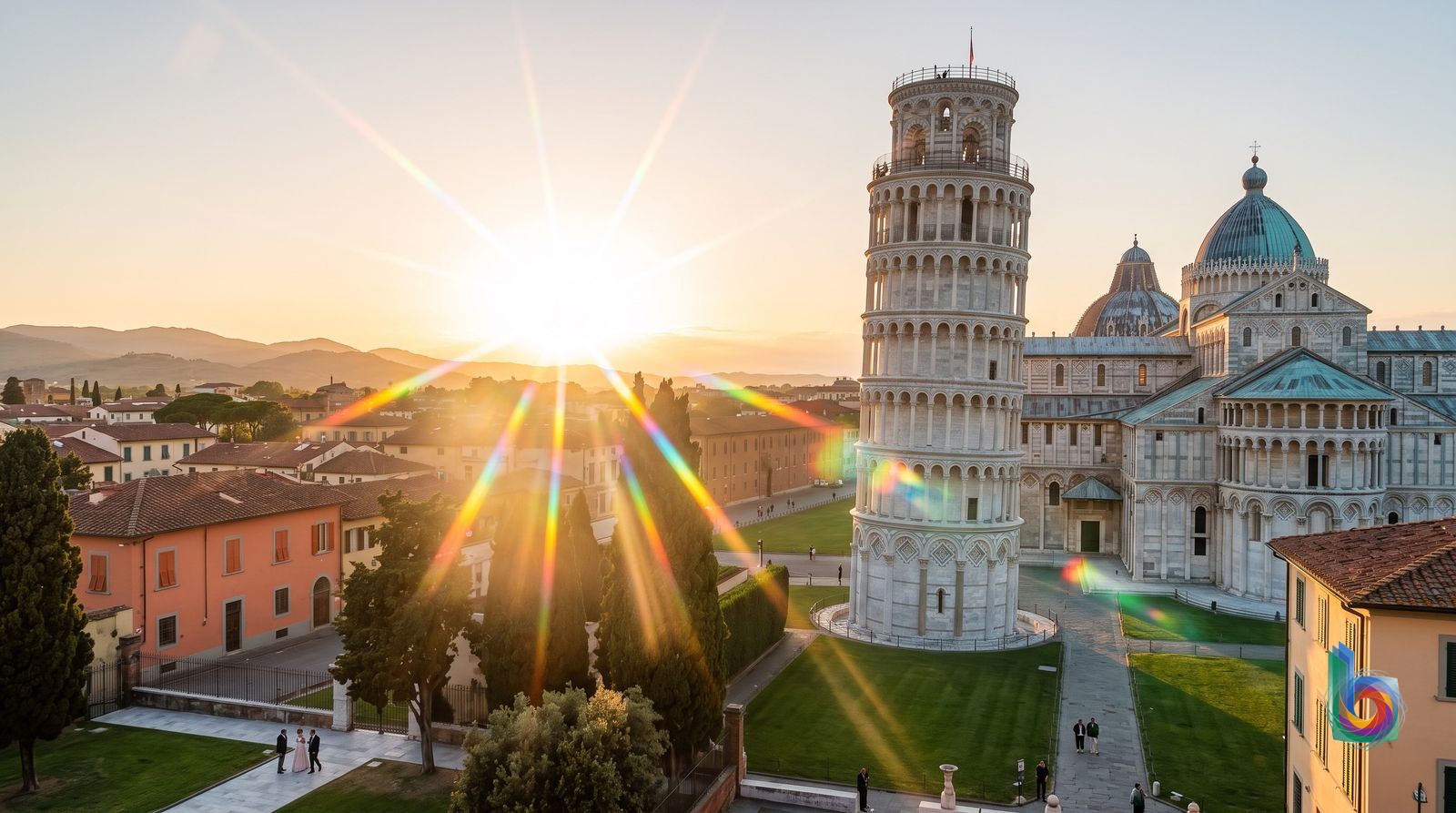
- Avoid picking restaurants in the immediate Piazza dei Miracoli zone solely because you are hungry after the Tower. The district’s stored guidance is clear that quality is mixed and convenience-driven; walk south toward the university centre or river if time allows.
- Lunch is generally the easiest time for traditional soups, pasta and market-style dishes; dinner in Italy runs later than many visitors expect, with a pre-dinner aperitivo commonly beginning in the early evening and tables filling later. Check the day’s service hours rather than relying on all-day dining assumptions.
- Reserve for Friday and Saturday dinner, and for any restaurant you have chosen deliberately—especially along the Lungarni. For an informal student-area meal, a walk-in is more realistic, but go earlier if you dislike waiting or later noise around Piazza delle Vettovaglie.
