How many days should I allow for a first Niseko trip?
Allow 5–7 nights for a ski-focused first visit: that gives you several serious ski days plus enough weather buffer for wind, whiteouts or upper-lift closures. For summer, 3–4 nights works well if you want one full-day Mt. Yotei hike or cycling day, an onsen and a slower rural day.
Where should I stay in Niseko for a first winter visit?
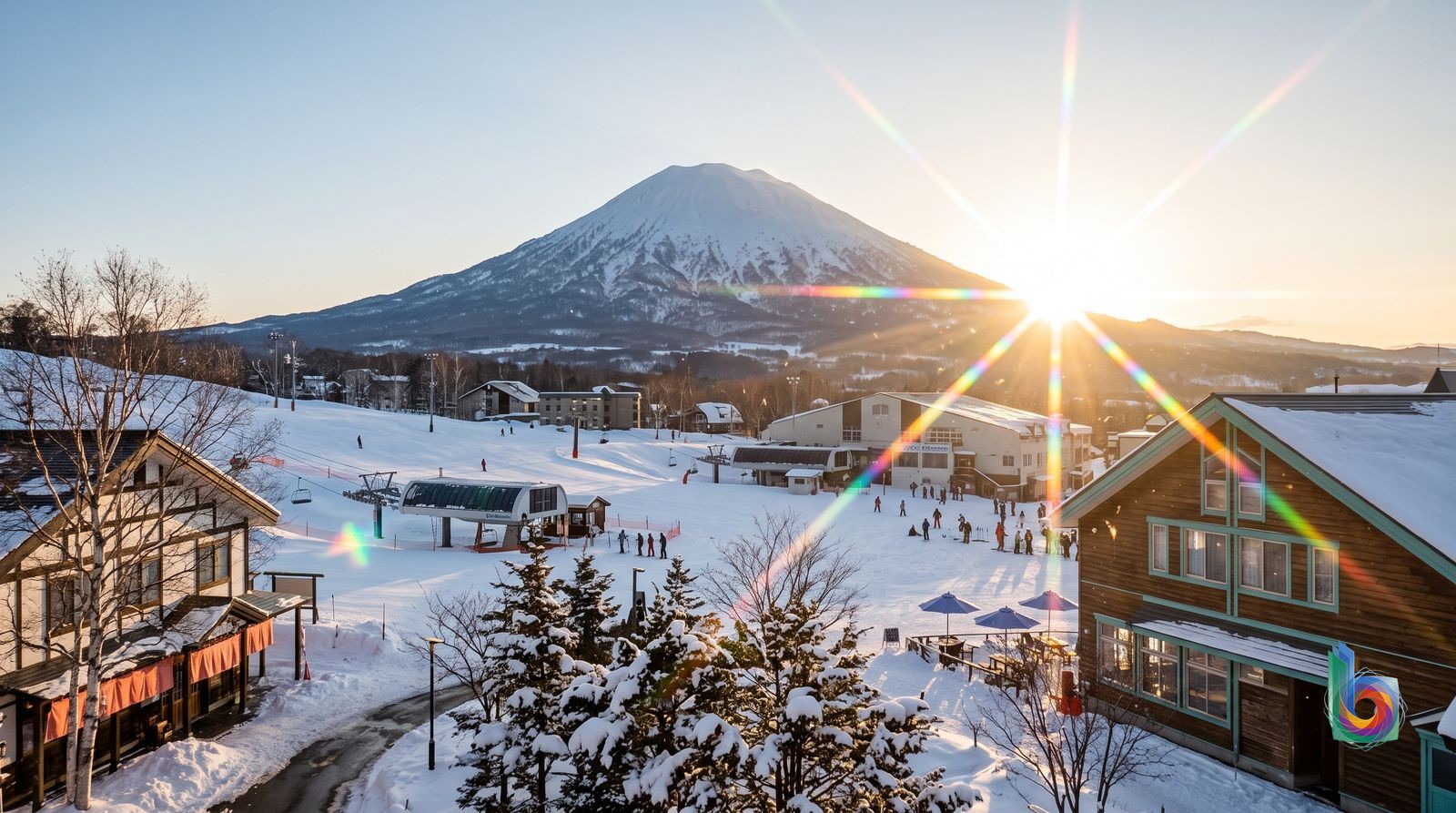
Stay in Lower Hirafu if you want the easiest first trip: it has the strongest concentration of lifts, rentals, groceries, restaurants and winter transport. Choose Annupuri for a quieter, more onsen-oriented stay or Niseko Village for a self-contained resort feel, but do not book a remote listing simply labelled “Niseko” without confirming its shuttle stop, grocery access and evening transport.
Is Hirafu worth the higher price, or should I stay elsewhere?
For first-time skiers without a car, Hirafu’s convenience usually justifies the premium, especially in January–February. Annupuri and Niseko Village can be better value and calmer, but dinner options and evening mobility are more limited; Hanazono is convenient for its own lifts but not a walkable substitute for Hirafu’s dining scene.
What should I book before arriving?
In peak winter, book accommodation first, then your New Chitose Airport coach and any English-language lessons, children’s programmes or specific rental equipment. Reserve Hirafu dinners for busy dates, and pre-book guided backcountry, snowmobile or other capacity-limited outings; lift passes are worth buying ahead only when the resort’s current terms offer an advantage.
What is the best way to get from New Chitose Airport to Niseko?
For Hirafu and the Niseko United bases in winter, use the scheduled airport coach: it serves resort-area stops, takes ski luggage and normally takes about 3–4 hours depending on snow and roads. Reserve a seat, particularly in January–February; the train requires a change at Otaru plus an onward trip from Kutchan, so it is usually a poor bargain after a long flight with bags.
Do I need a car in Niseko?
No for a winter ski holiday based in Hirafu, where walking, lifts and the seasonal Niseko United Shuttle cover the essentials. A car is genuinely useful in summer and for rural Annupuri, Moiwa, Niseko Town and Konbu Onsen, but winter driving demands real confidence on snowy, icy Hokkaido roads and proper equipment.
Can I easily move between Hirafu, Hanazono, Niseko Village and Annupuri?
Skiers can usually traverse the four Niseko United areas over the mountain more quickly than by road when lifts and visibility permit. The winter shuttle is useful but only roughly every 40–60 minutes and takes about an hour end to end, so do not plan spontaneous cross-resort dinners or rely on a mountain connection during wind and whiteouts.
When should I go for the best snow, and what are the trade-offs?
Choose mid-January through February for Niseko’s deepest, most reliable powder, accepting the highest prices, crowds and the need to book well ahead. December has less certain coverage; March to early April is sunnier and friendlier for beginners but has more variable snow, while July–September is the quiet green season for hiking, cycling and rafting rather than skiing.
Is Niseko good for non-skiers or a conventional sightseeing break?
It works best for non-skiers who are happy with a slow outdoor-and-onsen stay rather than a city itinerary: pair an onsen, Mt. Yotei views, a meal and perhaps Kutchan with one main activity. The region is spread out and has no dense set of attractions, so trying to stack several sights into a day usually creates transport hassle rather than a better trip.

 1