First visit? Stay in Downtown Kyoto (Shijo–Karasuma–Kawaramachi).
Choose it for high-end inns and hotels, early access to Kyoto’s most evocative lanes, and the pleasure of walking back through Gion after dinner. It is a splurge for setting, not transit efficiency: steep, crowded sightseeing streets and limited subway access make Downtown Kyoto the more practical alternative.
This is the sensible value play: generally calmer and less visitor-saturated than Gion, with useful subway coverage at Karasuma-Oike and a manageable walk south to downtown. Expect a business-residential feel rather than postcard Kyoto, and check how far a nominally “Karasuma-Oike” hotel really is from the interchange.
For families juggling luggage, naps, variable weather and onward trains, Kyoto Station’s JR, Shinkansen, subway and bus access reduces friction. The trade-off is real: it is a station-and-hotel district with little historic character, and eastern temple days still involve crowded buses or rail connections.
Base near Kawaramachi or the riverward side of downtown for the broadest choice of casual dinners, bars and walk-home convenience to Pontocho and Kiyamachi. Do not sleep directly in Pontocho & Kiyamachi unless noise is part of the plan; its narrow lanes bottleneck and the bar-heavy streets are a worse hotel environment than downtown proper.
It gives you temple grounds, canals and calmer mornings without being as isolated as Arashiyama. Stay near Keage, Higashiyama or Okazaki rather than at the far Ginkaku-ji end if you want workable subway access. Blossom and autumn periods still overwhelm the Philosopher’s Path, and dining fades early.
This is the clear choice for repeated Shinkansen and JR departures, including Nara and Osaka-bound travel, with easy luggage handling on arrival and departure days. Pick Downtown Kyoto instead if day trips are occasional and you care more about spending Kyoto evenings on foot than shaving time off train connections.
Choose Nishijin for low-rise residential streets, textile-quarter history and a Kyoto that does not feel programmed around attractions. It suits a slower repeat visit, not a checklist trip: hotels and late-night options are thinner, and buses or connections are needed for many major sights.
Avoid sleeping near Pontocho & Kiyamachi: Visit for a reservation dinner or drinks; do not make it the default sleeping zone. Pontocho is cramped and busy, while Kiyamachi is noisier, more bar-oriented and less graceful than its Kyoto reputation. Rooms directly on or above these lanes sacrifice sleep for an evening scene that is easy to reach from downtown.
Avoid sleeping near The immediate Kyoto Station blocks and Hachijo-side hotel strip: Stay here deliberately for trains, children, heavy bags or a short itinerary—not because it promises old Kyoto. The station area is large, modern and hotel-heavy, with comparatively weak neighborhood atmosphere after dinner; sightseeing days often begin with another bus or train ride.
Avoid sleeping near Fushimi Inari’s immediate shrine approach: It is excellent for catching the torii trails early, but it is not central Kyoto. Evening dining is limited, the approach is tourist-snack territory, and a multi-day itinerary creates repeated transfers to Higashiyama, Arashiyama and northwest temples. Broader Fushimi can suit a deliberately local stay, but it is not an efficient first-visit base.
Avoid sleeping near Northwest Kyoto around Kinkaku-ji and Ryoan-ji: The sights merit a planned visit, not usually an overnight. There is no convenient subway access to Kinkaku-ji, buses are slow in busy periods, and the temples are more dispersed than they appear on a map. Limited nearby dining and awkward cross-city journeys make it a frustrating base for a short trip.
Pick the areas you want to be around — the hotels and tables below narrow to them.
The practical, walkable Kyoto base
This is Kyoto’s useful center rather than its prettiest quarter: department stores, covered shopping arcades, restaurants, side-street bars, hotels and a genuinely walkable stretch of the Kamo River. It is the most forgiving place to stay when your Kyoto plan mixes temples, meals and transit rather than chasing a single postcard scene.
Vs. others: Pick Downtown Kyoto over Gion if you want better all-round transit, more ordinary dining and less tourist-pageantry at night; pick Gion if the historic lanes and an atmospheric evening walk matter more than convenience.
Best for: first-timers, foodies, value, nightlife, rail-day-trips
The Shijo corridor is crowded, commercial and unromantic in daylight. · Nishiki Market and nearby lanes can feel like a tourist conveyor belt. · Restaurants immediately on the busiest streets are more prone to tourist-oriented menus and queues.
See hotels in Downtown Kyoto (Shijo–Karasuma–Kawaramachi)Historic lanes, dawn before crowds
Kyoto’s most photogenic core runs from Gion through Kiyomizu-dera’s approach streets: preserved-looking lanes, tea houses, small temples and a heavy concentration of visitors. It is magical early and after many day-trippers leave, but it is not a secret geisha village and not a serene open-air museum.
Vs. others: Pick Gion & Southern Higashiyama over Downtown Kyoto if you will trade subway convenience and value for historic atmosphere; pick Downtown Kyoto if you want easier evenings, broader dining and faster cross-city connections.
Best for: first-timers, luxury, couples, foodies, return-visitors
Ninenzaka, Sannenzaka and the Kiyomizu approaches are packed for much of the day. · Hills, stone paving and crowds are poor companions for strollers, wheelchairs or heavy luggage. · The prettiest streets have expensive, tourist-facing food and shopping. · It gets quiet early outside restaurant pockets, despite the daytime crush.
See hotels in Gion & Southern HigashiyamaNarrow alleys, drinks, reservations
This is the river-adjacent nighttime strip: Pontocho’s narrow traditional alley and the more boisterous Kiyamachi side streets. It is excellent for an evening wander and a booked dinner, but its charm is compressed, crowded and easily oversold; a room directly above it is rarely a restful Kyoto experience.
Vs. others: Pick Pontocho & Kiyamachi over Gion for late-night drinks and riverside dining; pick Gion for temples, traditional streets and a more convincing daytime wander.
Best for: nightlife, foodies, couples, return-visitors
The lanes bottleneck badly at dinner time. · Many desirable restaurants need reservations; unplanned choices can be mediocre or expensive. · Kiyamachi is noisier and more bar-heavy than the Kyoto image suggests. · Its tiny scale does not justify choosing it as a dedicated sightseeing base.
See hotels in Pontocho & KiyamachiCalmer grid, central connections
North of the shopping core, this is a comparatively composed, residential-business Kyoto: Nijō Castle, the Imperial Palace grounds, cafés and hotels on a sensible street grid. It lacks Gion’s romance but works well for travelers who value space, predictable streets and being between east-west and north-south subway lines.
Vs. others: Pick Karasuma-Oike, Nijo & Imperial Palace over Kyoto Station if you want a more pleasant central neighborhood and better access to downtown; pick Kyoto Station if Shinkansen departures and regional trains outweigh neighborhood character.
Best for: families, quiet, value, first-timers, return-visitors
After office hours it can feel subdued rather than lively. · The major sights here are spread out; it is not a compact temple quarter. · Hotels near main avenues may feel businesslike and anonymous.
See hotels in Karasuma-Oike, Nijo & Imperial PalaceMaximum transport, minimum neighborhood
Kyoto Station is the city’s transport machine: Shinkansen, JR, subway, buses, airport links and a huge choice of hotels. It is a rational base for early departures and day trips, but the station district is modern, busy and disconnected from the Kyoto many visitors came to wander.
Vs. others: Pick Kyoto Station over Downtown Kyoto if you have frequent Shinkansen or JR day trips and want painless luggage logistics; pick Downtown Kyoto if you want to walk to dinner, the river and evening neighborhoods rather than commute back to a station complex.
Best for: rail-day-trips, families, value, travelers with short stays, travelers with heavy luggage
The immediate station blocks are a hotel-and-transport district, not a neighborhood with much evening character. · Its scale is tiring after a long day, and finding the right exit can be less simple than it looks. · Staying here often means more bus or rail time for Higashiyama sightseeing.
See hotels in Kyoto Station & HachijoTorii mountain, local sake town
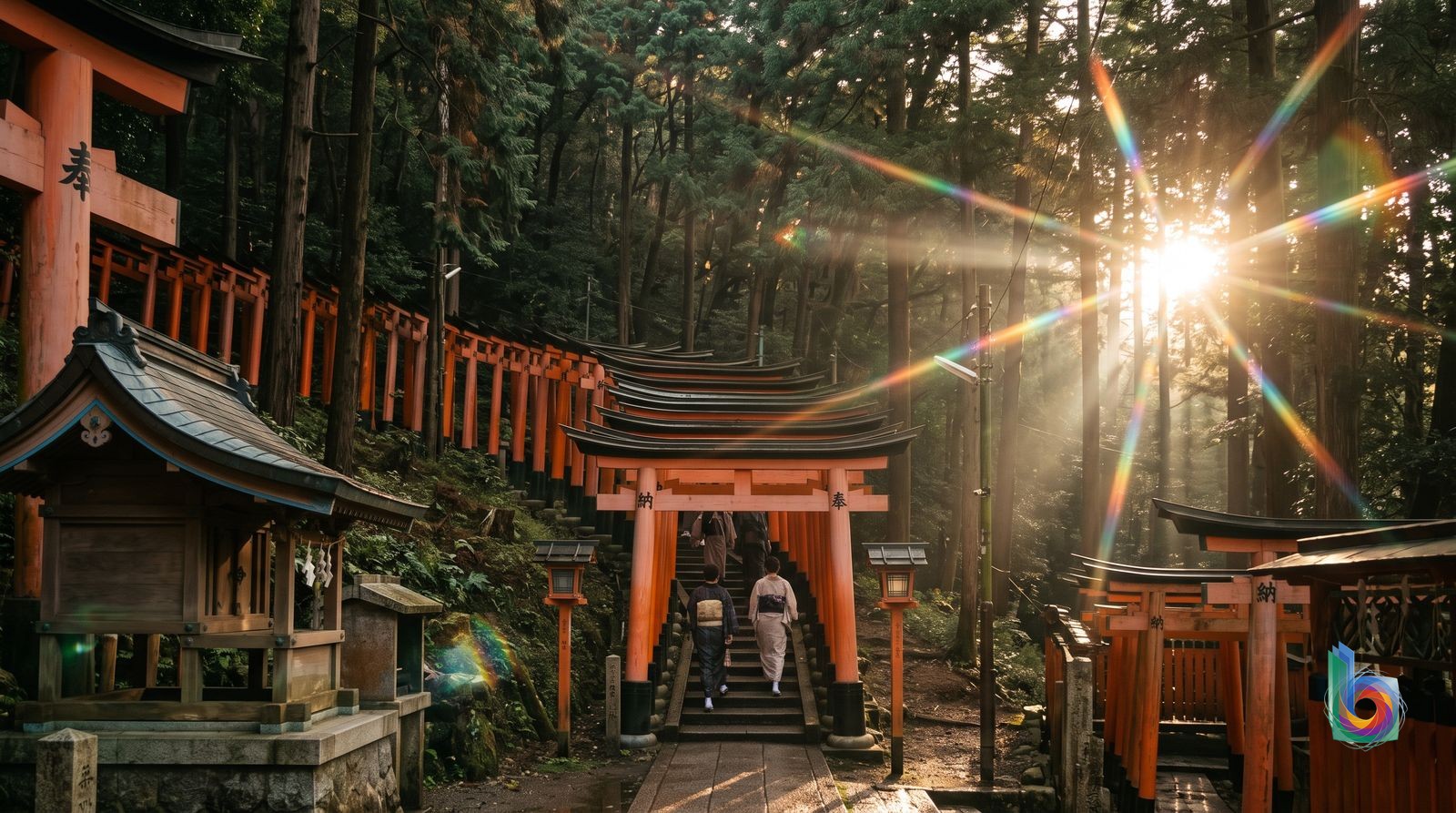
Fushimi Inari is an essential early-morning visit rather than Kyoto’s best all-purpose base: the shrine’s torii climb rises directly behind the stations, while broader Fushimi has canals, sake breweries and a more lived-in southern-city feel. The shrine zone is brilliant before the crowds and relentlessly busy after.
Vs. others: Pick Fushimi Inari & Southern Fushimi over Gion if an early torii hike and a quieter local setting matter more than being near Kyoto’s evening action; pick Gion if you want to spend most days among the central historic sights.
Best for: first-timers, quiet, budget, return-visitors, rail-day-trips
The main torii trail is crowded from late morning onward; go early or expect queues of people rather than solitude. · It is far from Arashiyama and northwest Kyoto. · The immediate shrine approach has limited evening life and tourist-focused snack stops. · A stay here can turn a Kyoto itinerary into repeated rail transfers.
See hotels in Fushimi Inari & Southern FushimiTemples, canals, quieter mornings
This is eastern Kyoto at a slower pace: Nanzen-ji, the canal aqueduct, Okazaki museums and the Philosopher’s Path toward Ginkaku-ji. It has real residential texture and lovely walks, but the path itself is an attraction with seasonal crowds, not an undiscovered local shortcut.
Vs. others: Pick Northern Higashiyama over Gion if you prefer a calmer temple-and-canal setting and are happy to walk; pick Gion if you want more restaurants, evening energy and the classic old-city lanes nearby.
Best for: quiet, couples, families, return-visitors, foodies
The Philosopher’s Path is especially crowded during blossom and autumn-leaf periods. · There are slopes and long walks between sights. · Dining thins out early away from the Okazaki/Higashiyama station side. · Buses toward Ginkaku-ji can be slow and full.
See hotels in Northern Higashiyama (Okazaki, Nanzen-ji & Philosopher’s Path)Bamboo grove, scenic but distant
On Kyoto’s western edge, Arashiyama pairs a handsome river-and-mountain setting with bamboo, Tenryū-ji and the quieter temple lanes of Sagano. It rewards an overnight only if you want to experience the edges of the day; as a city base, it is scenic but geographically inconvenient.
Vs. others: Pick Arashiyama over Northern Higashiyama if you want mountain scenery and a slower overnight; pick Northern Higashiyama if you need easier access to downtown and Kyoto’s eastern temple circuit.
Best for: quiet, families, couples, return-visitors, nature-minded travelers
The bamboo grove is often crowded enough to undercut the advertised tranquility. · It is a long cross-city journey from Higashiyama, Fushimi Inari and Kyoto Station. · Restaurants and shops concentrate around the main approaches and can feel tourist-oriented. · Evenings are very quiet after day visitors leave.
See hotels in Arashiyama & SaganoGolden pavilion, awkward geography
This temple-heavy northwest combines Kinkaku-ji, Ryoan-ji, Ninnaji and the older streets around Kitano Tenmangū. It is rewarding for a deliberate half- or full-day, but it sits outside Kyoto’s efficient rail-and-subway core, so visitors routinely underestimate the travel time.
Vs. others: Pick Northwest Kyoto over Arashiyama if Kinkaku-ji and Zen temples are your priority; pick Arashiyama if you want a more scenic riverside wander and better reason to stay overnight.
Best for: first-timers, return-visitors, quiet, families
Bus dependence is the central problem, especially in peak sightseeing periods. · Kinkaku-ji is crowded and photographed quickly; the surrounding neighborhood does not make a compact city-center base. · The temples are spread farther apart than maps make them appear. · Dining options around major sights are limited and often geared to visitors.
See hotels in Northwest Kyoto (Kinkaku-ji, Kitano & Ryoan-ji)Residential Kyoto, woven with history
Nishijin is the old textile quarter: low-rise streets, workshops, small shrines, local shops and a notably less touristed rhythm than the east side. It is a good choice for people who want Kyoto to feel like a city where people live, not a sequence of attractions, provided they accept fewer instant conveniences.
Vs. others: Pick Nishijin & Imadegawa over Downtown Kyoto if peace and residential character matter more than being steps from restaurants and shopping; pick Downtown Kyoto if you want a simpler first visit with late dining and stronger transit in every direction.
Best for: quiet, families, value, return-visitors, travelers seeking local texture
The area can feel too quiet for travelers who want spontaneous nightlife or a restaurant crawl. · Hotels are fewer and may be farther from stations than central listings suggest. · Buses are necessary for many sights and are vulnerable to traffic. · Its appeal is subtle; it is not a substitute for visiting Higashiyama.
See hotels in Nishijin & ImadegawaKyoto · Japan
Where to stay
 Rinn Shiki JurakuHotel4.7 · 89 reviews
 Hotel Ninja Black - Kyoto Gosho WestHotel · $464.5 · 131 reviews
 RESI STAY JISCO HOTEL KYOTO GOSHONISHIHotel · CLOSED4.2 · 136 reviews
 THE JUNEI HOTEL Kyoto Imperial Palace WestHotel4.6 · 181 reviewsRESI STAY JISCO HOTEL KYOTO GOSHONISHIHotel · $504.2 · 136 reviewsTHE JUNEI HOTEL Kyoto Imperial Palace WestBed and Breakfast4.6 · 181 reviews