How many days should I plan for a first visit to La Paz?
Give La Paz three full days at minimum, or four if you want the city to feel like more than a base for excursions. A good rhythm is one full day for Balandra or the north-coast beaches, one for Espíritu Santo/Los Islotes or a seasonal whale-shark trip, and one slower Malecón-and-Centro day.
Where should I stay if I want to explore without renting a car?
Stay around the central Malecón or Centro: you can walk the waterfront, cathedral area, Jardín Velasco, restaurants and many tour meeting points. Marina Palmira, CostaBaja, Fidepaz and the northern districts make sense mainly if you have a car or are happy to use rideshares; they are less convenient for an evening stroll into town.
What should I reserve before arriving?
Reserve a licensed whale-shark swim if it is in season, and book an Isla Espíritu Santo/Los Islotes boat trip several days ahead in high season—at least a week ahead around Christmas–New Year, Easter and Mexican holiday weekends. Do not usually pre-book Balandra itself, but check current access rules locally, go early, and do not make a noon arrival your only plan.
What is the easiest airport transfer from LAP?
Take an official airport taxi to a central hotel: LAP is about 10 km from the Malecón/Centro, usually 15–25 minutes and roughly MX$200–300. A private transfer is unnecessary for most arrivals unless you are landing late with a group; there is no useful airport rail link or dependable visitor bus.
Do I need a rental car in La Paz?
No, not if you are staying central and taking boat tours: walk Centro and the Malecón, then use Uber, DiDi or verified taxis for the airport and dinners beyond walking range. Rent a car only if independent Balandra, Tecolote and beach-hopping days are central to the trip; avoid unfamiliar Baja roads after dark and keep beach-car valuables out of sight.
When is the best time to visit La Paz, and what are the trade-offs?
January through March is the easiest first-visit window—dry, mild and strong for seasonal marine life—but it is also peak season for good hotels, boats and rental cars. April–May is the best compromise for warmer water and fewer crowds, while July–September is extremely hot and storm-prone; October can be lovely but requires flexibility because tropical-storm risk can linger.
Can I treat Balandra and Espíritu Santo as quick half-day trips?
No—make either one the main event of its day. Balandra involves an early start, exposed sun and possible capacity controls, while Espíritu Santo and Los Islotes depend on boat schedules and sea conditions; pair either with only a relaxed Malecón or Centro meal afterward.
Is La Paz better for beaches, wildlife, or city time?
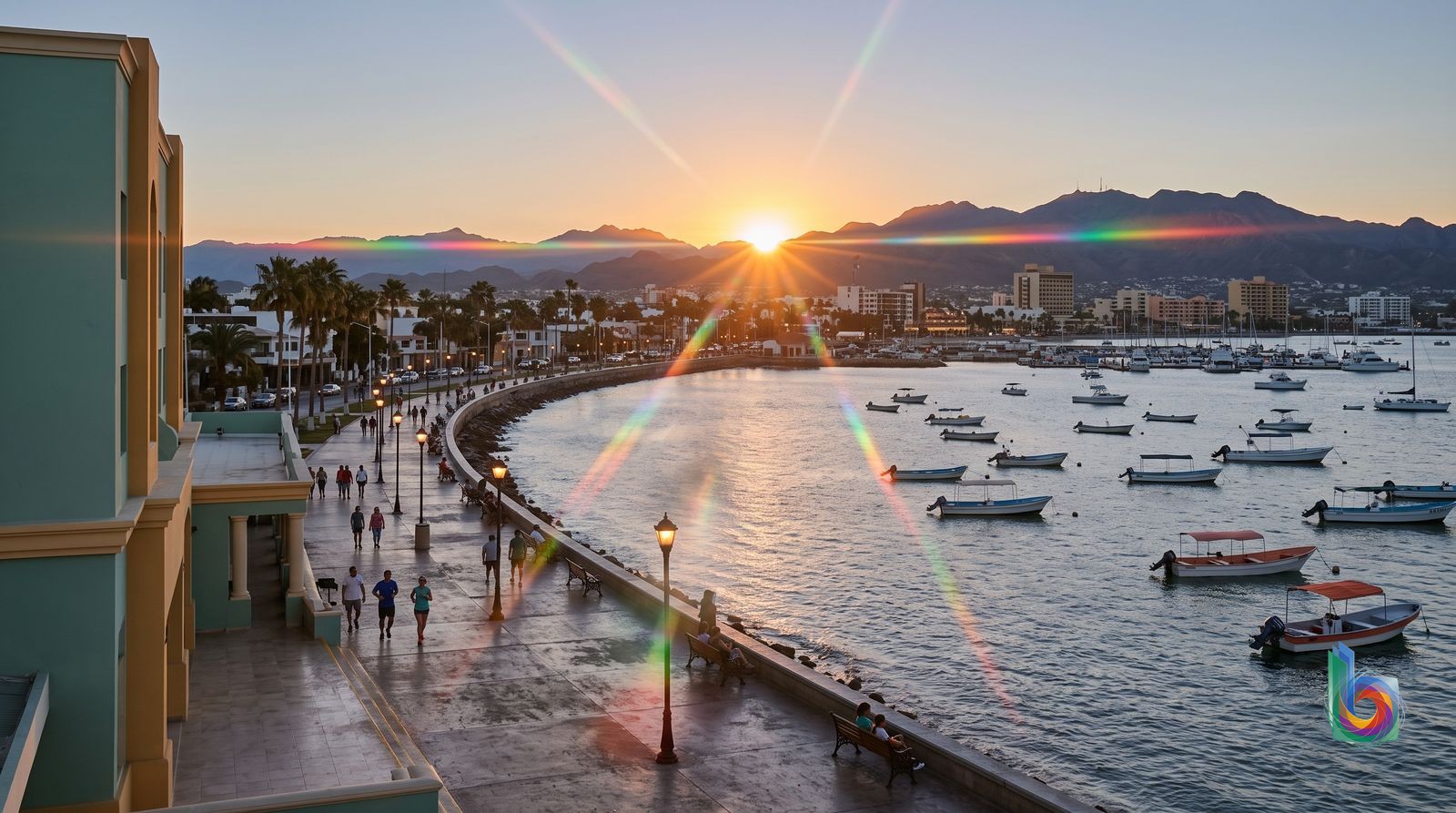
It is best as a balance: the city is compact and genuinely pleasant for a half-day of Centro, the cathedral area, mercados, tacos and a sunset Malecón walk, while the headline beaches and wildlife need dedicated outing days. Travelers who only rush through for Balandra miss what makes La Paz distinct from a resort enclave.

 1