Season by season
January–March
The most reliably comfortable stretch: dry, mild by Baja standards, with pleasant evenings and high demand across the waterfront, boat operators and good hotels.
This is prime season. Reserve wildlife tours, boats, rental cars and better accommodations early, especially on weekends and holiday periods.
April–May
A smart shoulder-season compromise. Days and water are warmer, winter crowds begin to ease, and heat is usually still manageable compared with summer.
April can still carry winter-season demand, particularly around Easter/Semana Santa. By May, midday sun and heat are becoming serious.
June
Hot, bright and generally quieter, with warm Sea of Cortez water. This is the transition before the most punishing summer conditions.
Heat can make city sightseeing and exposed beaches unpleasant by midday. It is not the ideal month for a walk-and-wander itinerary.
July–September
Very hot, often approaching 38°C/100°F in the daytime, with warm sea temperatures. August and September are within the period of greatest tropical-storm risk.
This is the least comfortable period for a sightseeing-first trip. Heat is punishing, and storm risk can disrupt boat plans and travel; do not build a rigid itinerary.
October
A transitional month: the water remains warm and crowds are usually lighter than winter, but tropical-storm risk still extends into October.
Potentially excellent, but less predictable than late fall. Watch forecasts and keep boat or beach plans flexible.
November–December
Dry, milder weather returns and the comfortable high season begins. Evenings suit the Malecón and Centro, while boat trips become more appealing again.
Demand rises sharply, especially around Christmas and New Year. Boats, rental cars and stronger hotels should be reserved well ahead.
Events worth planning around
Winter whale-shark season · Generally winter, with January–March especially strong for seasonal marine-life trips.
Licensed swim tours have limited operator capacity and wildlife rules; reserve before arrival for weekends, holidays or a short stay. Conditions and daily regulations matter more than a nominal ticket.
Semana Santa / Easter holiday period · March or April; dates vary each year.
One of the periods most likely to intensify demand for boat excursions, beach access and accommodation. Book Espíritu Santo trips at least a week ahead and do not count on arriving at Balandra late in the day.
Christmas–New Year holiday period · Late December through early January.
A peak-demand window for hotels, rental cars and boat trips. Reserve Espíritu Santo excursions at least a week ahead; earlier is safer for preferred operators and departure times.
Getting around
Walking
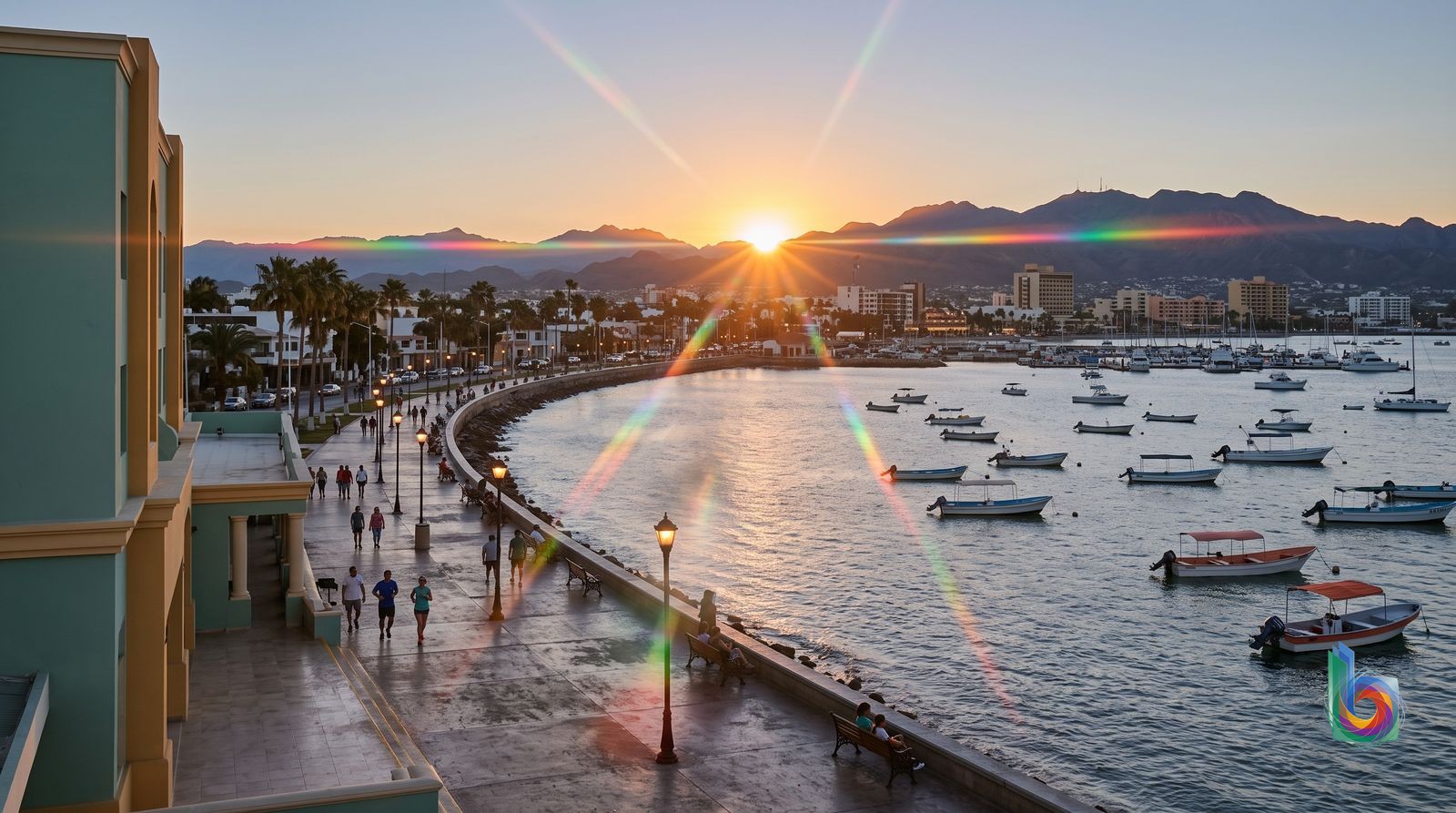
The Malecón & Downtown Waterfront and Centro Histórico: the promenade, cathedral area, Jardín Velasco, central meals and many tour meeting points. El Esterito also works if you do not mind a longer walk into the core.
Stay central and do the waterfront early or at sunset; carry water and use sun protection in the day. The Malecón is for strolling, not for a beach day.
Walking stops being convenient farther north in Guadalupe & North Malecón, and is not a practical way to reach Fidepaz, Marina Palmira & Lomas de Palmira, CostaBaja, Pichilingue/Playa Tecolote or El Mogote. Hills make uphill Lomas de Palmira particularly poor on foot; use normal caution on quiet Centro side streets late at night.
Taxi, Uber or DiDi
The default solution for dinner beyond walking range, airport runs, marina areas and one-off trips from town to beaches or boat departures. It is especially useful from Guadalupe & North Malecón, Fidepaz, Marina Palmira and CostaBaja.
Ride-hailing is generally more transparent than an unmarked street cab: verify the car and plate before getting in. For a street taxi, agree the fare in advance. Carry pesos and small notes.
Late at night, do not rely on an unmarked taxi from a quiet block; request or use a verified ride instead. For a full Balandra/Tecolote day, a taxi can be less flexible than a rental car or organized outing, and return transport should not be left to chance.
Rental car
Independent beach-hopping—especially Playa Balandra, Playa Tecolote and the Pichilingue corridor—and travelers based in car-oriented Fidepaz, Marina Palmira & Lomas de Palmira or CostaBaja. It is also the least-friction option for families carrying beach gear.
Rent only if getting beyond town is a central part of the trip. Start beach days early, carry water, and lock belongings out of sight rather than leaving bags visible at beaches or trailheads.
It is needless expense and parking hassle if you are staying around the Malecón or Centro and mostly eating, strolling and taking tours. Avoid driving after dark on unfamiliar Baja roads; popular beach corridors can bring traffic and parking pressure.
Local bus
A low-cost option for flexible travelers making local, resident-style trips rather than trying to execute a short sightseeing itinerary.
Use it only when you have time to confirm the current route locally and can tolerate a slower, less intuitive journey. Taxis and ride-hailing are the simpler visitor option from Centro and the Malecón.
The network is not a dependable first choice for Balandra, Playa Tecolote or tightly timed boat trips. It works poorly as a practical link from resort-like CostaBaja, hillside Marina Palmira/Lomas de Palmira, El Mogote and the dispersed Pichilingue corridor.
Organized beach or boat trip
Espíritu Santo and Los Islotes excursions, whale-shark outings when in season, and beach days where you do not want to manage return transport. It is often the lowest-hassle choice for Balandra or Tecolote without a car.
Book permitted wildlife operators rather than the cheapest dockside promise; high-season Espíritu Santo trips should be reserved several days ahead. Check Balandra access conditions locally and go early if visiting independently.
Tours sacrifice spontaneity and are not a substitute for exploring the city on foot. Do not assume all departures start beside your hotel: from CostaBaja, Marina Palmira, Fidepaz and northern districts, confirm the meeting point and arrange a ride.
Safety: La Paz is generally comfortable around the Malecón and Centro, but keep valuables close, avoid empty streets and unmarked taxis late, use verified rides, and carry water and sun protection for exposed beach days.
Book before you land
Licensed whale-shark swimming tour (seasonal, generally winter): reserve before arrival for weekends, holidays and any short stay; operator capacity and daily wildlife rules matter more than a nominal ticket. · Isla Espíritu Santo / Los Islotes boat excursion: book several days ahead in high season, and at least a week ahead around Christmas–New Year, Easter and Mexican holiday weekends. Choose a permitted operator rather than the cheapest dockside promise. · Balandra access is normally not an advance-ticket attraction, but capacity controls can be imposed. Go early, check the current access rules locally, and do not build an irreplaceable one-day itinerary around arriving at noon.
- This is La Paz, Baja California Sur, Mexico—not Bolivia. The airport code is LAP; prices are in Mexican pesos (MX$).
- Carry pesos and small notes for taxis, beach vendors and tips. Cards are widely accepted at hotels and smarter restaurants, but not reliably for every small purchase or beach-side expense.
- The Malecón and Centro are comfortable for an evening stroll, but use normal city precautions: keep phones and bags close, avoid empty side streets late, and use a verified ride home rather than an unmarked taxi.
- Treat the Sea of Cortez as wildlife habitat, not a petting zoo. Whale-shark and sea-lion outings are regulated; choose operators that enforce distance rules and do not touch, feed or chase animals.
- Balandra is beautiful but exposed: bring water, sun protection, food and a dry bag. Shade and services are limited, and leaving valuables in a rental car is an avoidable mistake.
- Do not plan to drink tap water. Use purified water, including for brushing teeth if you are cautious, and take heat seriously even on an apparently breezy waterfront day.
Worth leaving the city for
Isla Espíritu Santo and Los IslotesFull day — typically 7–9 hours door to door, including harbor transfers and time on the water.
This is the one excursion that unquestionably beats another city day: the Sea of Cortez, desert islands, and—when conditions and regulations allow—snorkeling around the Los Islotes sea-lion colony. It is a boat day, not a quick beach stop; choose an operator that treats wildlife encounters as wildlife encounters rather than a floating party cruise.
Playa BalandraHalf day at minimum; a relaxed beach day is 6–8 hours door to door. It is roughly a 40–50 minute drive each way from central La Paz.
Balandra is the Baja postcard done properly: a shallow, improbably clear bay ringed by dry hills, much more memorable than the urban waterfront beaches. Go early, bring water and shade, and do not expect a developed beach-club day—its appeal is the landscape, not services.
Todos SantosFull day — allow about 9–11 hours door to door, with roughly 1.5–2 hours of driving each way.
Worth it only if you want a deliberate change of scene: Pacific surf, a compact historic center, galleries, and a more polished food-and-shopping stop than La Paz. It is not a beach substitute for Balandra, and its tourist-facing core can feel curated; go for the Pacific coast and lunch, not because it is an essential ‘must-see.’
Researched Nov 4, 2026