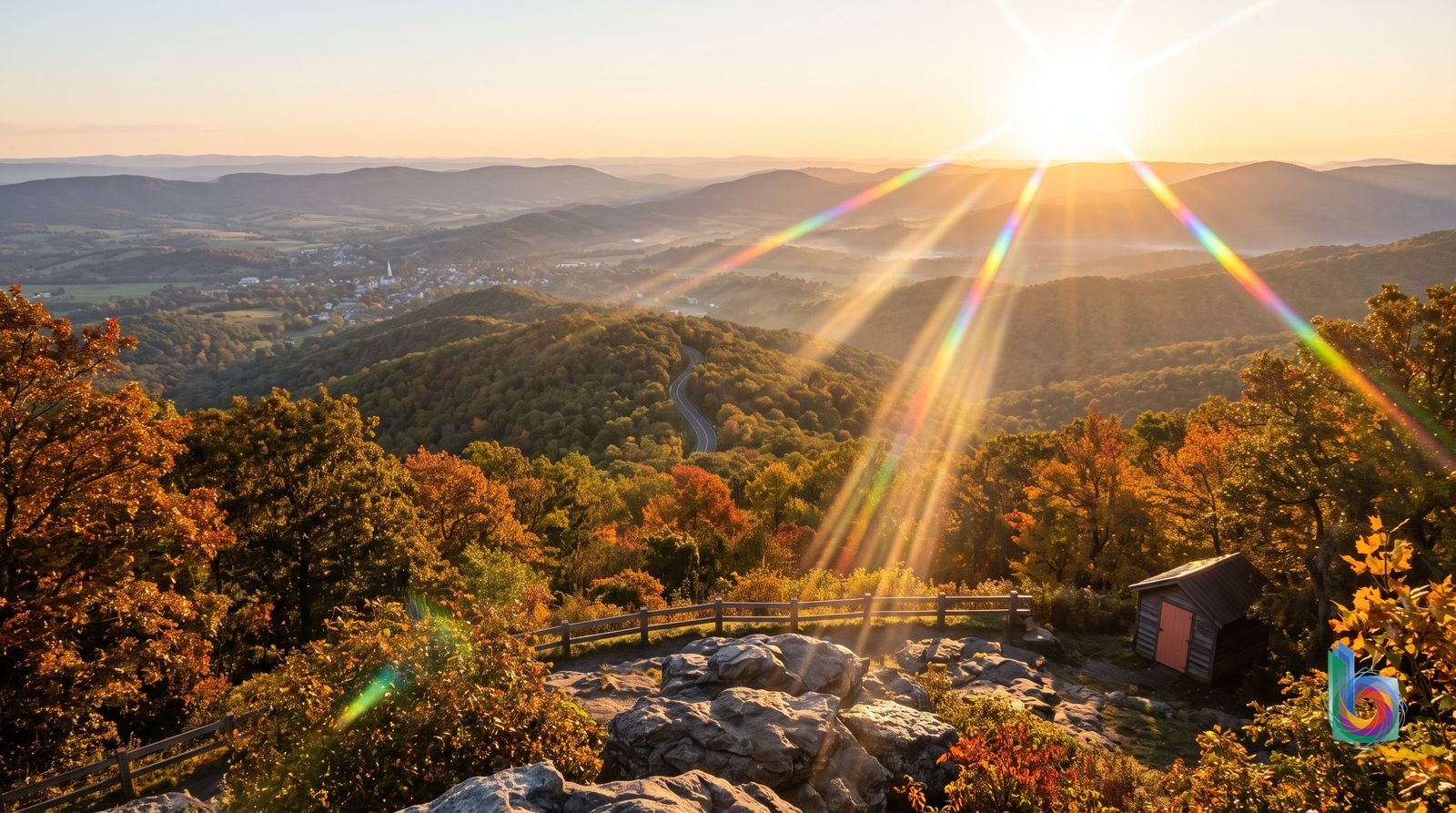
Season by season
December–February (summer)
The most practical season for independent walking and the busiest period for National Park Village, Tongariro Alpine Crossing shuttles and accommodation. Do not mistake summer for benign: exposed alpine terrain can still bring cold wind, rain and sudden loss of visibility.
Peak crowds and school-holiday pressure, especially around the Crossing; reserve huts, campsites, rail seats and shuttle transport well ahead. A poor forecast can still ruin the plan.
March–May (autumn)
Generally a quieter walking period, with cooler temperatures and shortening days. It can be excellent when stable, but conditions become increasingly changeable and alpine weather—not the month—determines whether the Crossing is sensible.
Less crowd pressure than summer, but no guarantee of good Alpine Crossing weather; early snow, wind or poor visibility can affect higher routes.
June–August (winter)
Snow and ice transform the high country. Whakapapa/Mt Ruapehu snow activities become the main draw when mountain operations permit, while alpine walks can require winter competence, equipment or a guide.
The Tongariro Alpine Crossing is not a casual winter walk. Road conditions can deteriorate, chains may be needed at higher elevations, and lifts or mountain access can change quickly with weather.
September–November (spring)
A transition season: longer days and fewer visitors than summer, but lingering snow, ice, wind and unstable weather can remain on alpine routes. Conditions can vary dramatically from one day to the next.
Do not choose spring solely for an Alpine Crossing bargain: snow and poor weather may still make it unsuitable without appropriate skills or a guided option.
Events worth planning around
New Zealand summer school holidays · Usually December through late January; exact dates vary by year and region.
This is the sharpest annual pressure point for National Park Village lodging and Tongariro Alpine Crossing shuttles. Book transport and accommodation early, and keep a weather-buffer day rather than locking yourself into one crossing date.
Tongariro Northern Circuit Great Walk summer booking season · Summer season; DOC sets the exact season and booking opening dates each year.
Huts and campsites can disappear quickly once bookings open. This is the reservation that matters most for an overnight circuit; do not assume availability because day walks in the park are generally free.
Whakapapa/Mt Ruapehu snow season · Winter, subject to snow, weather and mountain operating conditions.
Lift products and lessons should be booked once dates are firm, but check operating status before committing. Weather can alter lift access, road conditions and the usefulness of a ski-focused itinerary at short notice.
Getting around
Rental car
The default choice for exploring beyond National Park Village: Whakapapa, dispersed trailheads and weather-driven changes of plan.
Hire from Taupō, Auckland or Wellington, stock up on fuel and essentials before committing to a hike, and use the car for flexible point-to-point access.
There is no urban transit backup once you leave National Park Village. Avoid night driving where possible because of wildlife; winter trips toward higher ground may require chains and can be disrupted by conditions.
Walking
Getting around the compact National Park Village itself, including a short walk from the railway station if your accommodation is nearby.
Treat the village as a small lodging base rather than a place with a walkable park network; arrange pickup or a vehicle for anything beyond the settlement.
Walking stops working well outside National Park Village: Whakapapa and the main trailheads are spread out, alpine weather can change quickly, and there is no continuous pedestrian link through the park.
Tongariro Alpine Crossing shuttle
A one-way Tongariro Alpine Crossing, where leaving a car at one end creates a retrieval problem.
Book the specific shuttle for your intended direction and day, especially in summer, on weekends and during school holidays. Check the forecast and the operator’s change/cancellation terms before committing.
It is a trail-specific service, not a local bus network. It will not solve transport around National Park Village, Whakapapa or other trailheads, and a bad-weather cancellation can leave you needing a different plan.
Northern Explorer train
Arriving from Auckland or Wellington without driving, when its scheduled operating day fits your itinerary.
Reserve KiwiRail’s Northern Explorer ahead, then arrange an accommodation pickup, taxi or walk into National Park Village from National Park railway station.
This is a limited-schedule intercity train, not a local transport system. It does not provide onward access to Whakapapa or hiking trailheads, and there is no late-night rail or urban-bus fallback.
Pre-arranged accommodation pickup or taxi
The short final connection from National Park railway station to a village stay, particularly for travelers arriving without a car.
Ask your accommodation about pickup before booking the train; treat any taxi as something to arrange rather than hail on demand.
Do not count on rideshare, a taxi rank or late-night availability in National Park Village. This is useful for arrival logistics, not for independent sightseeing around the park.
Safety: Treat the Tongariro Alpine Crossing as an alpine hike: check the DOC forecast that morning, carry warm waterproof layers, food and water, and turn back early if wind, cloud or rain closes in.
Book before you land
- This is National Park Village beside Tongariro National Park, New Zealand—not the former Tasmanian locality discussed in much of the supplied Mount Field material. Treat Tasmania-specific road directions, visitor-centre hours and attraction claims in that material as inapplicable.
- The Tongariro Alpine Crossing is an alpine day, not a casual city outing. Check the DOC forecast on the morning, take waterproof/windproof layers, food and water, and turn back if conditions deteriorate. Phone coverage and rescue should not be your plan.
- Respect the mountains’ cultural importance. In particular, DOC asks visitors not to climb Mount Ngauruhoe; it is sacred to Ngāti Hikairo ki Tongariro.
- Day walks in the national park are generally free, but overnight huts/campsites, shuttles, ski facilities and commercial guided trips are not. Do not confuse ‘no gate’ with ‘no planning required’.
- Buy food, fuel and any essential gear before committing to a long hike. National Park Village is a service base, not a full-scale town, and choices are limited compared with Taupō, Auckland or Wellington.
- Keep all food and rubbish with you, stay on formed tracks, and do not fly a drone on public conservation land without the required permission.
Worth leaving the city for
Tongariro Alpine Crossingfull day — roughly 8–10 hours including transfers and the 19.4 km walk
This is the reason to base yourself in National Park Village: a serious volcanic traverse beneath Ngauruhoe and Tongariro, not a token scenic walk. It easily beats lingering in the village—but only in safe weather. Book a shuttle rather than attempting a car shuffle; conditions can turn a famous hike into an exposed, cold, high-wind day.
Whakapapa Village, Taranaki Falls and the Ruapehu road-end sceneryhalf to full day — about 30–40 minutes each way by car from National Park Village, plus a 2–3 hour walk
A better lower-commitment Tongariro National Park day than forcing the Alpine Crossing in poor weather. Drive to Whakapapa Village, walk the Taranaki Falls Loop, and take in the volcanic plateau and Ruapehu views. It is less epic than the Crossing, but much more sensible for families, bad forecasts, or anyone without a full hiking day in them.
Taupō via the Desert Roadfull day — roughly 1.5–2 hours each way by car, depending on route and conditions
Go only if you want a complete change of scene: the stark central-plateau drive gives way to Lake Taupō, cafés and lakeside walking. It is not a substitute for Tongariro’s hiking, but it beats another quiet afternoon in National Park Village when weather closes in.