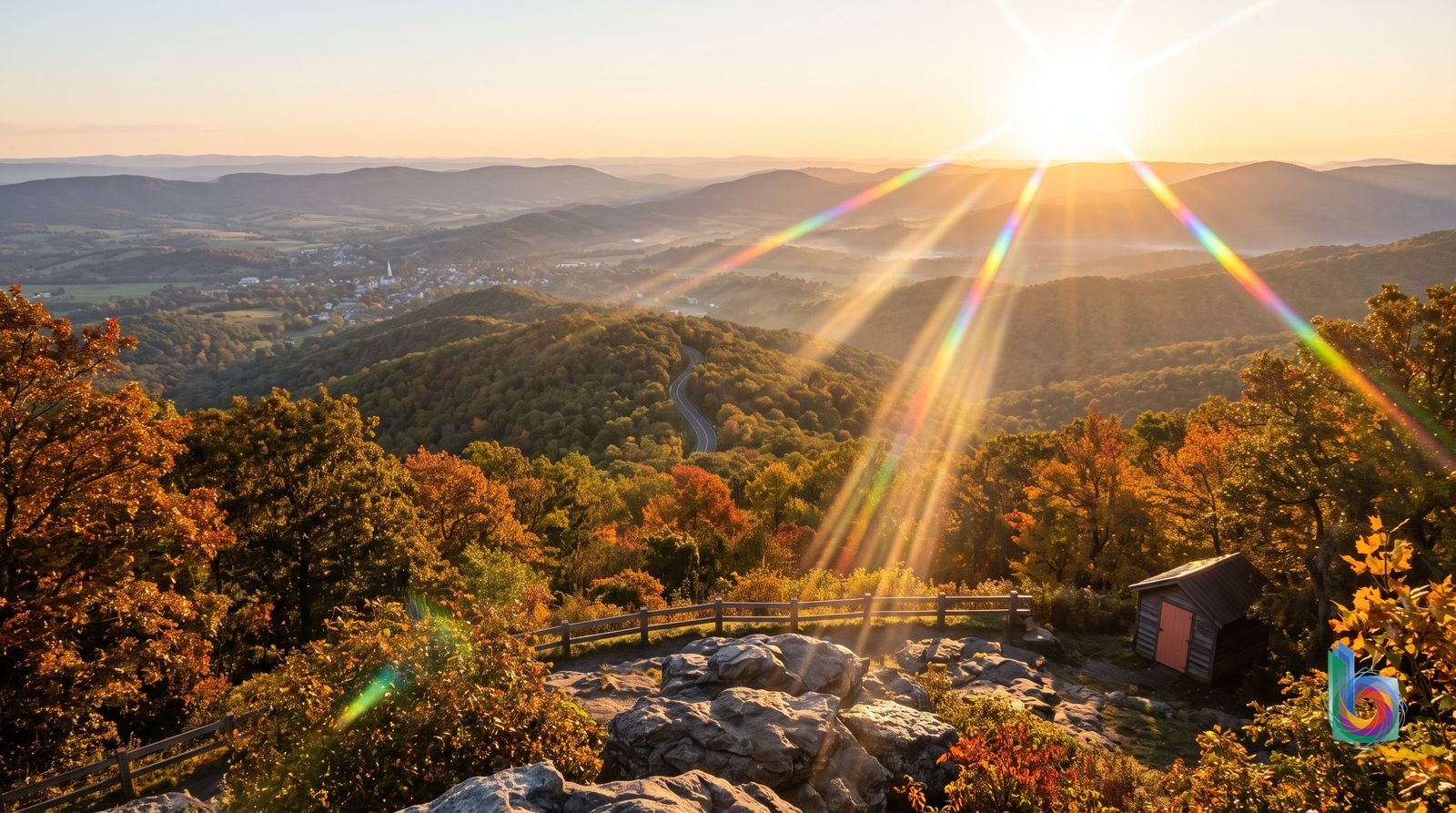
First visit? Stay in National Park village.
This is the closest available match, chiefly through the traditional National Park Hotel and cottages. It is comfort by Mount Field standards, not a luxury-resort district; choose it for a real room near the park rather than expecting spa-level facilities or fine dining.
The practical low-cost choice: powered and unpowered camping beside the Tyenna River, next to the visitor centre and walkable to the Russell Falls precinct. Arrive with a backup plan, since sites are first-come and cold, rain and winter conditions are real drawbacks.
Cottages and hotel-style accommodation are more forgiving than tents or bare huts, while Russell Falls and the visitor-centre walks are close by. Families wanting a camping trip can choose Mount Field Campground instead, but should not rely on a late-arrival site.
Choose it only because it has the park-area accommodation and the National Park Hotel; there is no meaningful nightlife base anywhere in or beside Mount Field. Travelers whose trip requires bars, late dining or walkable evening activity should stay elsewhere in Tasmania and visit Mount Field by day.
For self-sufficient hikers, the huts provide an inside-the-park, low-distraction base closer to the alpine-road side than the village. Quiet comes with stark compromises: bunks, cold-water sink, wood heater, no electricity, no gas, and key collection at the visitor centre.
There is no rail access or urban transit network here, so no district genuinely suits rail day-trips. National Park village is the least impractical overnight choice if you have arranged road transport; without a car, this is the wrong kind of destination to use as a rail-based hub.
Use the Lake Dobson end of C609 as the focus for a repeat visit aimed at alpine terrain and longer walks rather than another quick Russell Falls stop. This is a road-end trailhead area, not a serviced lodging village: arrange accommodation in National Park village, camp, or use huts, and be prepared for winter chains and colder conditions.
Avoid sleeping near Russell Falls and Visitor Centre precinct: It is excellent for beginning a visit, but not a conventional sleeping district. The entrance area is the park's busiest bottleneck, has no meaningful hotel strip, and nearby camping is first-come rather than a dependable reservation-based solution.
Avoid sleeping near Lake Dobson: Do not book your expectations around sleeping at the road end: it is an exposed alpine access point with no ordinary village infrastructure. It is substantially colder than the lower park, winter driving can require chains, and the return drive to facilities is long enough to matter.
Avoid sleeping near Tarn Shelf and Rodway Range: This is wilderness walking country, not an accommodation zone. There are no services beyond the road end, conditions can become cold and wet quickly, and any backcountry camping must use designated sites.
Avoid sleeping near Lake Seal and the alpine circuit country: Remote glacial-basin terrain is a poor casual overnight base: there is no road access to the lake area, no services, and no easy exit once on foot. It suits properly prepared wilderness walkers, not travelers looking for a convenient place to sleep.
The neighborhoods
Pick the areas you want to be around — the hotels and tables below narrow to them.
Gateway lodging beside Mount Field
This tiny settlement immediately outside Mount Field National Park is the practical overnight base, not a town for strolling. It gathers the National Park Hotel, holiday cottages and small-group accommodation close to the park entrance; evenings are quiet and self-contained.
Vs. others: Pick National Park village over Mount Field Campground if you want a proper bed and weather-proof comfort; pick the campground if being inside the park and keeping costs down matters more than amenities.
Best for: first-timers, families, quiet, road-trippers
It has very limited dining, shopping and evening life. · A car is effectively essential for exploring beyond the entrance precinct. · Wildlife makes night driving a real concern.
See hotels in National Park villageThe easy-access waterfall heart
This is the park's busiest and most straightforward day-visit zone: the visitor centre, check-in point, Russell Falls access and the start of several short forest walks. It is the right first stop, not a separate neighborhood with a hotel strip.
Vs. others: Pick the Russell Falls precinct over Lake Dobson if you want short, lower-elevation walks and visitor information; pick Lake Dobson if alpine scenery and longer hikes are the point.
Best for: first-timers, families, short-stay visitors, rainy-day walkers
It is the park's obvious bottleneck and can feel crowded compared with the backcountry. · There is no meaningful on-site lodging base beyond nearby camping and huts. · Weather can be wet even when the walk itself is easy.
See hotels in Russell Falls and Visitor Centre precinctConvenient riverside park camping
Beside the Tyenna River near the visitor centre, this is the sensible in-park option for campers who want to wake close to Russell Falls and the trailheads. It is a campground rather than a secluded wilderness experience, with powered and unpowered sites and a first-come arrangement.
Vs. others: Pick Mount Field Campground over National Park village if immediate park access and camping are priorities; pick the village if you want a room, private comfort and less exposure to cold or rain.
Best for: budget, families, campers, first-timers
First-come availability means it is not a dependable late-arrival plan. · Cold, rain and winter conditions can make tent camping unpleasant. · It is close to the busy entrance rather than deep in the park.
See hotels in Mount Field CampgroundBare-bones huts near the alpine road
The park's only named indoor lodging is functional government-hut accommodation aimed at people who value location over polish: bunks and mattresses, cold-water sink, wood heater, firewood, and outdoor table and benches. There is no electricity or gas, and keys are collected at the visitor centre.
Vs. others: Pick Mount Field Government Huts over National Park village if you want to sleep inside the park and can live simply; pick the village if hot-water comfort and conventional accommodation matter.
Best for: budget, quiet, hikers, winter-ready travelers
There is no electricity, gas or hot water. · You must handle check-in and key collection at the visitor centre. · Its basic setup is a poor fit for anyone expecting a serviced cabin.
See hotels in Mount Field Government HutsLonger forest walks beyond Russell
This is the quieter walking side of the entrance forest: tall eucalypt country and the continuation beyond the headline Russell Falls experience. It rewards visitors who have more than an hour and want the forest, not just the obligatory waterfall photograph.
Vs. others: Pick Tall Trees and Lady Barron Falls over the Russell Falls precinct if you want a longer, less stop-and-snap forest walk; pick Russell Falls if time, mobility or weather calls for the simpler option.
Best for: hikers, families with older children, quiet, return-visitors
Trails can be wet and slippery in the park's frequent rain. · It is more walking for subtler rewards than Russell Falls. · There is no accommodation or food service along the trails.
See hotels in Tall Trees and Lady Barron Falls trailsRoad-end alpine lake access
Lake Dobson is the road-accessible alpine change of scene: colder, more exposed and distinctly different from the wet forest around Russell Falls. It is the practical launch point for high-country walks, rather than a village or a place to expect services.
Vs. others: Pick Lake Dobson over Russell Falls if you want alpine terrain and a trailhead base; pick Russell Falls if you prefer accessible forest walks and facilities close at hand.
Best for: hikers, return-visitors, quiet, snow-season travelers
It is substantially colder and more exposed than the lower park. · Winter road conditions can require chains. · There is no ordinary village infrastructure at the road end.
See hotels in Lake DobsonHigh-country tarns for committed walkers
This is Mount Field's real alpine walking country: glacially shaped plateau terrain, tarns and routes toward the Rodway Range. It is for prepared walkers making a deliberate day or overnight wilderness trip, not an add-on after a quick waterfall stop.
Vs. others: Pick Tarn Shelf and Rodway Range over Lake Dobson if you want a committed high-country hike rather than simply reaching the alpine road end; pick Lake Dobson if you want alpine atmosphere with less commitment.
Best for: hikers, quiet, return-visitors, experienced wilderness travelers
Conditions can turn cold, wet and exposed even outside winter. · There are no services once walking beyond the road end. · Backcountry camping is restricted to designated sites.
See hotels in Tarn Shelf and Rodway RangeRemote glacial basin terrain
The Lake Seal area is the wilder, glacially carved side of Mount Field: broad valleys, cirque walls and routes that reward serious walkers with space rather than convenience. It is a destination for people comfortable with isolation and changing mountain weather.
Vs. others: Pick Lake Seal over Tarn Shelf and Rodway Range if you want the more remote glacial-basin feel; pick Tarn Shelf if you want the park's better-known plateau-and-tarn walking objective from Lake Dobson.
Best for: experienced hikers, quiet, return-visitors, wilderness campers
It is isolated, with no services or easy exit once on foot. · Cold, rain and low visibility are serious planning issues. · Camping is allowed only at designated sites.
See hotels in Lake Seal and the alpine circuit country