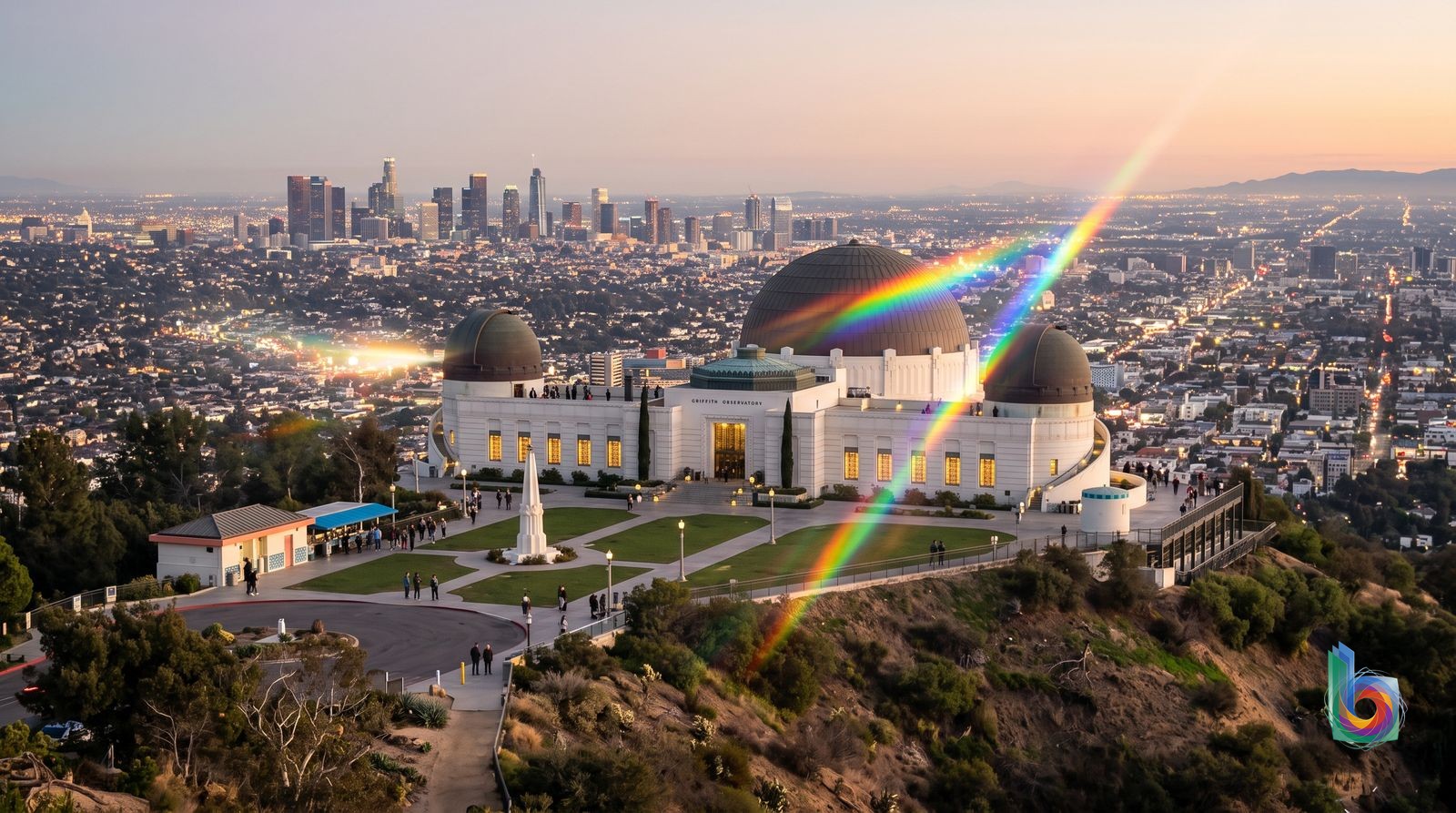
First visit? Stay in West Hollywood.
Choose Beverly Hills for the city’s classic high-service luxury hotels, polished streets and Rodeo Drive proximity. It is quieter than West Hollywood after dinner, though less lively and not centrally served by rail.
Koreatown usually offers better value than the Westside while putting serious eating, late-night activity and the Metro D Line nearby. It is a lived-in, busy base rather than a scenic one; choose Hollywood instead if film sights and the Metro B Line matter more than food.
Santa Monica gives families an easy beach, pier, bike-path and restaurant routine, plus the E Line for car-free outings. It costs more than Culver City and is a poor base for Universal or Griffith Park, but its walkability makes day-to-day travel simpler.
West Hollywood has the most dependable concentration of bars, restaurants, LGBTQ+ nightlife and late-night energy, particularly around the Sunset Strip and Santa Monica Boulevard. Book away from the Strip if sleep matters: traffic and weekend noise are real.
Pasadena is the calm, leafy alternative: historic streets, good dining, Old Pasadena and the Norton Simon, with A Line access through Downtown. It works for travelers who do not need a beach or Hollywood at the door; cross-city trips to the Westside are long.
DTLA is the clear rail base: Union Station anchors regional rail, while Metro B, D, A and E services make car-free trips markedly easier than from the Westside. Stay in a hotel near the cultural core, Little Tokyo or South Park rather than treating all downtown blocks as interchangeable.
For a second trip, this is a more rewarding urban pocket than another Hollywood stay: Japanese American institutions, independent food, galleries, breweries and easy access to central DTLA. Hotel choice is limited and expensive, and late-night routes through adjacent industrial blocks require judgment.
Avoid sleeping near Skid Row and the blocks immediately around the Greyhound station: This is not merely an unfashionable downtown location: it has acute street disorder and is an impractical, uncomfortable place to navigate with luggage or on foot, especially after dark. A cheap rate here is rarely worth the trade-off.
Avoid sleeping near Hollywood Boulevard directly around the Walk of Fame: It is convenient for one or two headline sights and the Metro B Line, but sleeping on the strip often means street noise, crowds, aggressive solicitation, tourist-menu restaurants and hotels that feel poorer value than a few blocks away. Choose a quieter Hollywood side street or West Hollywood instead.
Avoid sleeping near LAX airport-hotel blocks: They are useful only for an overnight flight connection. The area is built around airport logistics rather than wandering, dining or sightseeing, and reaching the beach, Hollywood or central L.A. consumes time despite the airport’s transport links.
Avoid sleeping near The Venice Boardwalk frontage: Venice can be an excellent visit and a characterful stay near Abbot Kinney or the canals, but the boardwalk itself is noisy, intensely touristy and has more visible street disorder and petty-theft risk than many visitors expect. It is a poor choice for quiet sleepers or first-time families.
Pick the areas you want to be around — the hotels and tables below narrow to them.
Central, walkable, late-night, polished
An independent city between Hollywood and Beverly Hills, West Hollywood is one of the least car-dependent bases in greater L.A.: dense with restaurants, design stores, hotels, LGBTQ+ nightlife, and the Sunset Strip. It is not a beach district or an old-Hollywood fantasy, but it makes a practical first stay for seeing several sides of the city.
Vs. others: Pick West Hollywood over Santa Monica if you want a more central base for Hollywood, Beverly Hills, and dinners; pick Santa Monica if beach time and ocean walks matter more than cross-city convenience.
Best for: first-timers, nightlife, foodies, luxury, without-a-car travelers
Hotels and dining are expensive. · Sunset Strip traffic, noise, and weekend nightlife can be relentless. · The lack of rail means it is less convenient than Downtown or Koreatown for car-free sightseeing.
See hotels in West HollywoodBeach base with real walkability
Santa Monica is the easiest coastal stay for travelers who want the beach outside the hotel door without being isolated in a resort enclave. Downtown, the pier, beach paths, and Main Street give it a usable urban core; it is polished, tourist-ready, and considerably calmer than Hollywood.
Vs. others: Pick Santa Monica over Venice for a cleaner, more conventional hotel base and rail access; pick Venice if you want a scruffier, more eccentric boardwalk-and-canal atmosphere.
Best for: families, luxury, first-timers, beach lovers, without-a-car travelers
It is among L.A.'s pricier places to sleep. · The pier and Third Street area can feel crowded and chain-heavy. · It is geographically inconvenient for Universal Studios, Griffith Park, and much of East L.A.
See hotels in Santa MonicaBeachy, gritty, creative, performative
Venice delivers the bohemian beach image people expect—boardwalk performers, skaters, Muscle Beach, murals, canals, and an unusually lively street scene—but it is also a working, rough-edged neighborhood under intense tourism and development pressure. Stay near Abbot Kinney or the canals rather than assuming every block has the same feel.
Vs. others: Pick Venice over Santa Monica for personality and beach culture; pick Santa Monica over Venice for easier rail access, more conventional hotels, and a calmer evening walk.
Best for: beach lovers, return-visitors, nightlife, foodies, creative travelers
The boardwalk has aggressive crowds, visible homelessness, and petty-theft risk; use normal city awareness, especially after dark. · Hotel options are limited and often expensive for what they are. · Traffic and parking are frustrating on beach weekends.
See hotels in VeniceFamous sights, uneven real neighborhood
Hollywood is worth seeing for the Walk of Fame, TCL Chinese Theatre, premieres, Hollywood Bowl access, and its place in film history—not because every souvenir storefront is charming. It is a practical, often cheaper tourist base with plenty of hotels, but the famous central strip can be hectic, commercial, and block-by-block rough.
Vs. others: Pick Hollywood over West Hollywood if the Walk of Fame, Hollywood Bowl, and direct rail to Downtown and Universal matter most; pick West Hollywood if you want better dining, a more polished stay, and less tourist-strip atmosphere.
Best for: first-timers, value travelers, nightlife, film fans, without-a-car travelers
The Walk of Fame corridor is crowded, scam-prone, and full of tourist-menu dining. · Street conditions and comfort after dark vary sharply by block. · Hotels near Hollywood Boulevard can be noisy.
See hotels in HollywoodMuseums, rail hub, urban contrast
DTLA is L.A.'s most urban, transit-rich visitor district: Grand Central Market, Broadway theaters, The Broad, Walt Disney Concert Hall, Little Tokyo, sports and concert venues, and a growing hotel scene sit close together. It rewards travelers who enjoy cities rather than those looking for a single tidy, beachy L.A. experience.
Vs. others: Pick Downtown over Hollywood if museums, architecture, rail connections, and serious food matter more than celebrity sights; pick Hollywood if your trip is centered on film landmarks and the Hollywood Bowl.
Best for: rail-day-trips, foodies, architecture fans, nightlife, without-a-car travelers
Skid Row and adjacent blocks are not a sensible tourist walking route, particularly with luggage or after dark. · The district can feel quiet outside event and dining pockets, then busy around arenas and nightlife. · Downtown is far from the beach.
See hotels in Downtown Los Angeles (DTLA)Warehouse cool beside historic Japanese core
East of central DTLA, this pairing combines Little Tokyo's long-established Japanese American institutions and restaurants with the Arts District's galleries, converted warehouses, coffee, breweries, and increasingly expensive development. It is one of the more enjoyable places to wander in central L.A., but it is a specialized urban pocket rather than a citywide central location.
Vs. others: Pick Arts District and Little Tokyo over Downtown's Financial District if you want independent food and a neighborhood feel; pick Downtown proper if Union Station access and a larger hotel inventory matter more.
Best for: foodies, return-visitors, art lovers, nightlife, without-a-car travelers
Accommodation is limited and often priced like a trend district. · Construction, traffic, and nightlife noise are common. · It borders less visitor-friendly industrial and downtown blocks, so route choices matter after dark.
See hotels in Arts District and Little TokyoDense food city, late and central
Koreatown is a dense, energetic, largely residential-commercial district where the main pleasure is eating: Korean barbecue, soups, bakeries, karaoke, and late-night dining rather than landmark sightseeing. It is centrally placed, generally better value than the Westside, and feels more lived-in than Hollywood.
Vs. others: Pick Koreatown over Hollywood for better food and a more central, less souvenir-driven base; pick Hollywood if direct access to the Walk of Fame, Universal, and the Hollywood Bowl is your priority.
Best for: foodies, value travelers, nightlife, without-a-car travelers, return-visitors
Traffic and parking are difficult. · Some hotel blocks are noisy late into the night. · The streetscape is functional rather than scenic, and comfort can vary on quieter side streets after dark.
See hotels in KoreatownLuxury shopping, manicured, residentially quiet
Beverly Hills is the obvious choice for top-end hotels, service, and Rodeo Drive browsing. Beyond the shopping core it is a very affluent, low-key residential city; travelers who expect nonstop glamour can find it surprisingly subdued once stores close.
Vs. others: Pick Beverly Hills over West Hollywood for classic luxury hotels and quieter nights; pick West Hollywood for more nightlife, a younger dining scene, and easier walking between bars and restaurants.
Best for: luxury, quiet, families, shopping
Hotels, restaurants, and shopping are expensive. · It is less lively at night than its reputation suggests. · Rail coverage is peripheral rather than central.
See hotels in Beverly HillsMuseums, markets, central residential feel
This broad mid-city area is a sensible cultural stop and an underrated sleep option: LACMA, the Academy Museum, La Brea Tar Pits, Petersen Automotive Museum, and the Original Farmers Market/The Grove are its anchors. It is more daytime museum-and-shopping territory than a nightlife district, with residential streets between destinations.
Vs. others: Pick Fairfax and Miracle Mile over Beverly Hills if museums and the Farmers Market matter more than luxury-brand shopping; pick Beverly Hills for grander hotels and a more polished luxury stay.
Best for: families, museum lovers, foodies, quiet, first-timers
The Grove is a polished, tourist-oriented shopping complex rather than an independent neighborhood experience. · Traffic on Wilshire and around the Farmers Market can be heavy. · Hotel choice is thinner than in West Hollywood, Hollywood, or Downtown.
See hotels in Fairfax, Miracle Mile and Museum RowHillside local life and indie eating
These adjacent east-of-Hollywood neighborhoods are where many visitors go for cafés, bookstores, small restaurants, vintage stores, music, and a more local-feeling L.A. They are not one uniform district: Los Feliz is leafier and closer to Griffith Park, Silver Lake is trendier, and Echo Park has a livelier lake-and-Dodger-Stadium edge.
Vs. others: Pick Los Feliz, Silver Lake and Echo Park over Hollywood for neighborhood restaurants and a less touristy stay; pick Hollywood for better direct rail access and easier access to headline attractions.
Best for: return-visitors, foodies, quiet, creative travelers, Griffith Park visitors
Hills, narrow streets, and difficult parking are real constraints. · Hotel inventory is limited compared with Hollywood or Downtown. · Night walking between individual commercial strips is not always practical.
See hotels in Los Feliz, Silver Lake and Echo ParkStudios, restaurants, useful westside rail
Culver City has evolved from a studio town into a compact westside dining and hotel base, with a walkable downtown, Sony Pictures Studios nearby, and access to the artsy Helms Bakery/Platform area. It is a practical compromise between the beach and central L.A., though it lacks the instant sightseeing density of Hollywood or Downtown.
Vs. others: Pick Culver City over Santa Monica if you want a more central Westside base and generally better value; pick Santa Monica if the beach and a more walkable visitor core are non-negotiable.
Best for: families, foodies, quiet, business travelers, without-a-car travelers
It is not on the beach despite being marketed as Westside convenient. · Traffic can make short car trips slow. · The central core is pleasant but relatively small for travelers wanting constant activity.
See hotels in Culver CityStudios and theme park practicality
This Valley-side cluster is about logistics: Universal Studios Hollywood, Warner Bros. Studio Tour, other studio-adjacent activity, and plentiful practical hotels. Studio City adds restaurants along Ventura Boulevard, while Burbank is more suburban and functional than glamorous.
Vs. others: Pick Universal City, Studio City and Burbank over Hollywood if Universal or studio tours dominate your itinerary; pick Hollywood if you want nightlife, the Walk of Fame, and a more central tourist base.
Best for: families, film fans, value travelers, Universal Studios visitors, quiet
Outside Universal and a few dining strips, it can feel suburban and dispersed. · It is a long trip to Santa Monica and Venice. · Theme-park traffic can affect the Universal area.
See hotels in Universal City, Studio City and BurbankLeafy, historic, food-forward northeast base
Pasadena is its own city northeast of Downtown, with handsome historic architecture, Old Pasadena shopping and dining, the Norton Simon Museum, and a calmer small-city rhythm. It works especially well for repeat visitors and for Rose Bowl or New Year's events, but it is not central to beach-and-Hollywood L.A.
Vs. others: Pick Pasadena over Downtown if you want leafy streets and a calmer, more residential evening; pick Downtown if you need Union Station connections and want museums, events, and central-city energy outside the door.
Best for: quiet, families, foodies, return-visitors, rail-day-trips
It is a substantial cross-city trip to Santa Monica, Venice, and Universal. · Old Pasadena can skew toward chain retail and weekend crowds. · The Rose Parade and Rose Bowl periods bring extreme demand and disruption.
See hotels in PasadenaIndependent waterfront city, better value
Long Beach is a separate city at the southern end of Los Angeles County, not a convenient extension of central L.A. Its waterfront, Aquarium of the Pacific, Queen Mary, shoreline paths, and diverse dining make it worthwhile in its own right, and hotels can be better value than Santa Monica.
Vs. others: Pick Long Beach over Santa Monica for a more independent city feel and often better value; pick Santa Monica if your trip is centered on the Westside, Hollywood, and faster access to central attractions.
Best for: value travelers, families, beach lovers, return-visitors, rail-day-trips
It is far from Hollywood, Beverly Hills, and the Westside. · The waterfront is attractive, but it does not deliver the same surf-beach atmosphere as Santa Monica or Venice. · Treat it as a destination, not a shortcut to all of L.A.
See hotels in Long BeachWhere to stay
 Conrad Los AngelesHotel4.6 · 980 reviews
 DoubleTree by Hilton Hotel Los Angeles - RosemeadHotel · $$4.0 · 1,920 reviews
 One Lux Stay HWH Downtown Los AngelesLodging4.6 · 48 reviews
 Omni Los Angeles Hotel at California PlazaHotel4.4 · 3,721 reviews
 citizenM Los Angeles DowntownHotel4.4 · 1,205 reviews
 Miyako Hotel Los AngelesHotel4.3 · 1,598 reviews