Season by season
January–February
Dry-season weather is usually the easiest to live with: warm rather than punishing, with lower humidity and generally pleasant daylight. This is high season, so expect stronger hotel demand and busier waterfronts and museums.
Higher winter-season accommodation prices; late February can be disrupted by the IndyCar race downtown.
March–April
Excellent outdoor weather overall, especially in early April: warm, relatively dry, and well suited to walking downtown and visiting the Gulf beaches. March is noticeably busier at the beaches because of spring break.
March brings spring-break crowds and higher hotel rates. The IndyCar Grand Prix usually falls in late February or early March, bringing downtown road closures and sharply tighter lodging.
May
Still workable for sightseeing and beach time, but summer humidity and heat begin to assert themselves. Plan exposed walking for morning or late afternoon.
Hotter, more humid conditions make midday walking less pleasant; storms become more likely.
June–September
The hottest, wettest stretch: high humidity, frequent thunderstorms, intense sun, and hurricane-season risk. Rain often arrives in powerful bursts rather than lasting all day, but lightning can abruptly end beach and waterfront plans.
Heat indexes can make a midday walking itinerary miserable. Thunderstorms, lightning, rougher beach conditions and tropical-weather disruptions require flexible plans; leave beaches, piers and open waterfronts when storms approach.
October–December
October begins the return to more comfortable outdoor conditions; November is one of the best months, with lower humidity and easier walking weather. December is pleasant but increasingly part of the winter high season.
October can still feel summery and remains within hurricane season; November–December bring rising seasonal demand and accommodation prices.
Events worth planning around
Firestone Grand Prix of St. Petersburg · Usually late February or early March
This materially reshapes downtown: expect road closures, event traffic and a real jump in accommodation demand and rates. Avoid the dates if easy car access and a calm downtown stay matter more than the race; book lodging well ahead if attending.
Getting around
Walking
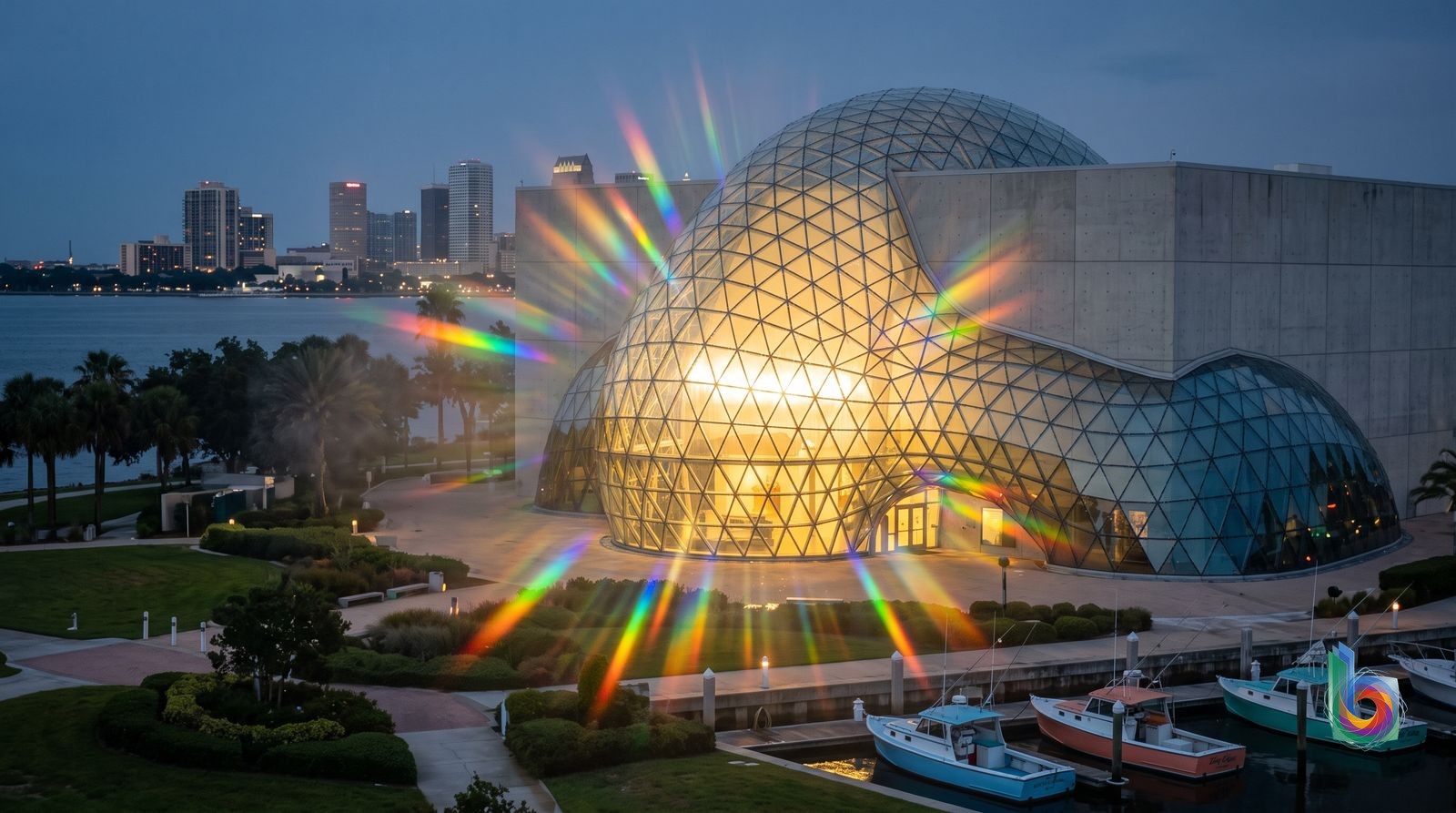
Downtown & Waterfront, the Pier, Dalí/Mahaffey area, Old Northeast’s southern edge, and the eastern Central Avenue districts—The Edge and Central Arts. These are the places where St. Pete is genuinely enjoyable without a car.
Base yourself downtown or near Central Avenue and walk between museums, restaurants, bars and the waterfront. Use a bike or short rideshare rather than forcing a long cross-town walk.
Walking stops working well beyond the core: Grand Central is a long hot walk from downtown, much of Historic Kenwood and northern Old Northeast are better by bike or rideshare, and Warehouse Arts is separated by broad roads and industrial blocks. Summer heat, thunderstorms and fast arterials make the map look kinder than it is.
SunRunner BRT
The useful downtown-to-beach trip: Downtown, The Edge, Central Arts and Grand Central along Central Avenue, continuing toward St. Pete Beach. It is the best car-free link between the city and Gulf beach corridor.
Check the live PSTA timetable before committing to it, then use it as a point-to-point bus rapid transit service rather than assuming metro-like frequency. It is particularly handy if you are staying downtown and want a beach day without parking.
There is no metro or rail network, and SunRunner is only one corridor. It does not solve trips to Old Northeast, Crescent Lake, Warehouse Arts, Tyrone/Jungle Terrace, Fort De Soto or most dispersed attractions; a beach hotel may still be a walk or local connection from the stop.
PSTA local buses
Budget-minded travelers making selected corridor trips beyond Central Avenue, including parts of Old Northeast, Crescent Lake & Euclid St. Paul, Tyrone and Jungle Terrace.
Use PSTA’s current trip planner and timetable, allowing generous transfer and waiting time. It is most sensible when the route is direct and time matters less than saving money.
Service is not a substitute for a dense urban transit system. Trips through car-oriented Tyrone/Jungle Terrace, to Crescent Lake, or between residential districts can be slow and indirect; late-night usefulness is limited, so do not build an evening out around a last bus.
Uber/Lyft or taxi
Bridging the gaps: airport and Tampa trips, late-night returns, summer storms, Warehouse Arts, northern Old Northeast, Historic Kenwood, Crescent Lake, Tyrone/Jungle Terrace, and any itinerary that jumps between downtown and the beaches.
Use rideshare as the default convenience tool for short hops and after-dark travel; it is usually less frustrating than transfers or long exposed walks. Budget extra time for bridges and beach approaches.
Fares rise with surge pricing, events and bad weather. Downtown event traffic and the causeways to St. Pete Beach and Pass-a-Grille can turn a quick ride into a slow, expensive one—especially Friday afternoons, rush hour and after major events.
Rental car
Trips centered on Fort De Soto, beaches beyond St. Pete Beach, Madeira Beach or Treasure Island, and wider Pinellas County. It also helps families and longer-stay visitors based in Tyrone/Jungle Terrace or a residential district.
Rent only when the itinerary genuinely extends beyond the downtown–Central Avenue–St. Pete Beach axis. Keep it parked when exploring downtown, where walking and rideshare are easier.
Beach parking is limited and often paid; downtown event days and bridge traffic can be punishing. A car adds convenience but not freedom from delays, and it is unnecessary baggage for a short downtown-focused stay.
Safety: In summer, leave beaches, piers, pools, and open waterfronts at the first sign of lightning, and after dark stick to active downtown streets rather than isolated waterfronts or parking areas.
Book before you land
- This is St. Petersburg, Florida—not Russia. Locals commonly say “St. Pete”; “the beach” generally means the Gulf barrier islands, not the downtown waterfront.
- Carry water, sunscreen, and a rain layer. In summer, treat lightning seriously: leave beaches, piers, open waterfronts, and pools as soon as storms approach.
- Budget time for bridges. A 25-minute cross-bay or beach trip can become an hour-plus in rush hour, on a Friday afternoon, or after an event; never schedule a flight or dinner on the assumption that Google Maps’ best-case estimate will hold.
- At Gulf beaches, obey posted swim flags and lifeguards; rip currents and lightning are more consequential than the calm-looking water suggests. Do not swim after dark.
- Beach parking is limited and often paid. Arrive early, use a rideshare when drinking or staying downtown, and do not leave bags or electronics visible in a car.
- Downtown is broadly comfortable when busy, but use ordinary city precautions after dark: stay on active streets, avoid isolated waterfront or parking areas, and do not leave a bike or scooter unsecured.
Worth leaving the city for
Egmont Key National Wildlife RefugeFull day
This is the one escape that genuinely changes the texture of a St. Pete stay: an undeveloped Gulf island with a ruined fort, lighthouse setting, shorebirds and clear-water beach walks. Go by authorized boat from the Fort De Soto area. It beats another downtown museum-and-brewery day if you want wild Florida rather than another polished waterfront. Downside: services are minimal, shade is limited, and wind, heat and boat conditions matter.
Tarpon SpringsHalf day to full day
A small but distinct Greek-American sponge-diving town northwest of St. Pete. The Sponge Docks, working-waterfront atmosphere and Greek food make it more specific than generic beach-town wandering; combine it with nearby Dunedin only if you have a car and an unhurried day. It is not a major-sights destination, so skip it if this is your first short visit and you have not done St. Pete’s own waterfront and museums.
Bok Tower Gardens, Lake WalesFull day
A real change of scene: designed gardens, a hilltop carillon tower and Central Florida landscape rather than the coast. It is the best culture-and-gardens excursion when beaches are not the point. The drive is substantial and there is no sensible car-free version, so do not burn a prime beach-weather day on it unless gardens and quiet are your thing.
Crystal RiverFull day
Worth the drive in the cooler months for a chance to see manatees in spring-fed water; this is an ecological experience St. Pete cannot duplicate. Build the day around a responsible wildlife-viewing outing and the springs, not an expectation of guaranteed close encounters. Summer is much less compelling for manatees, and the trip is car-dependent.
Sarasota: The Ringling and Siesta KeyFull day
The Ringling’s art collection, circus history and flamboyant Ca’ d’Zan estate give Sarasota a stronger museum proposition than a casual Tampa Bay detour; Siesta Key adds a beach finish if traffic cooperates. It beats another St. Pete day only for serious art/architecture fans or travelers wanting to pair culture with a different Gulf beach. Bridge and seasonal traffic can make the return punishing.