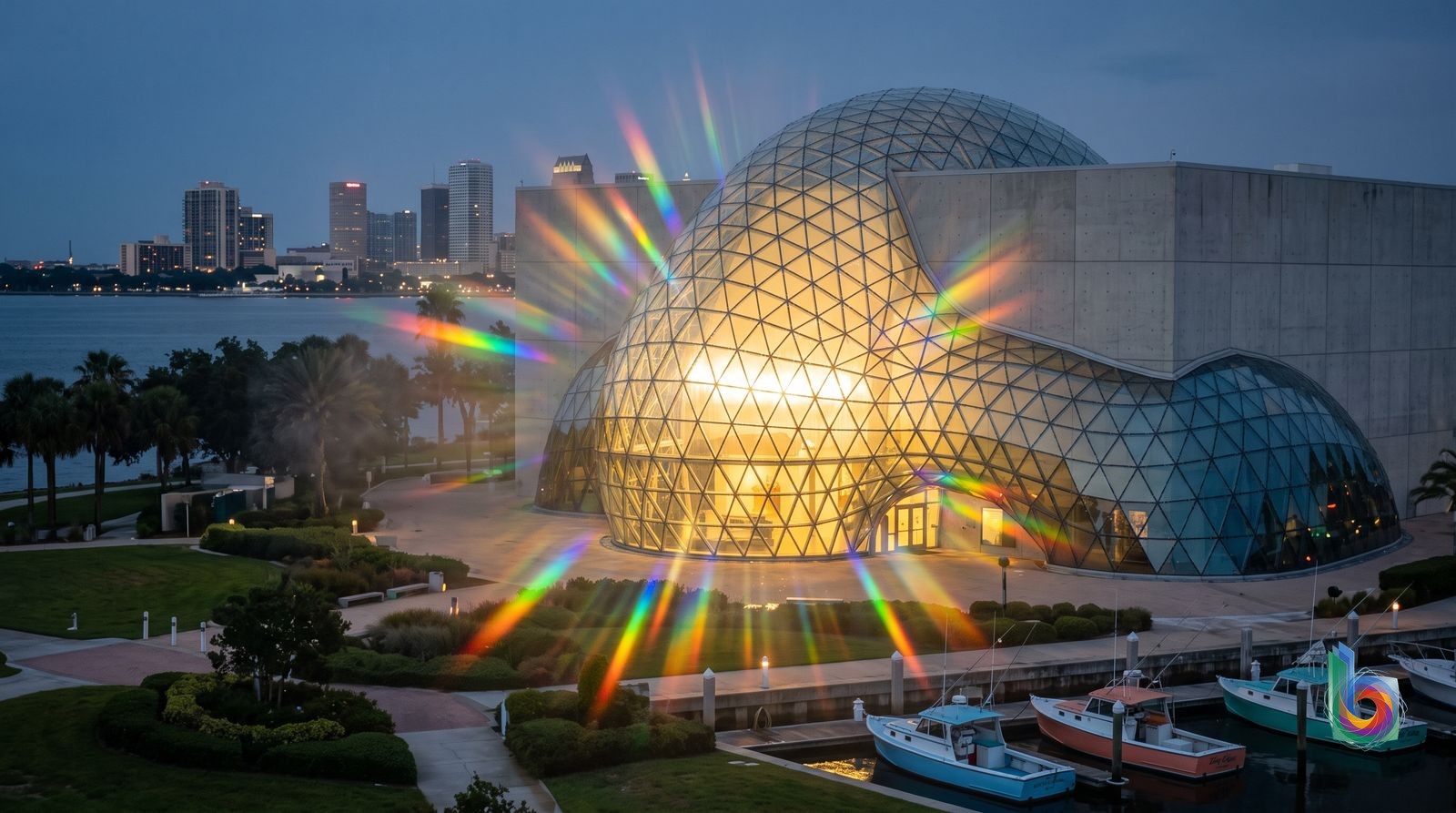
First visit? Stay in Downtown & Waterfront.
The strongest concentration of upscale full-service hotels, polished waterfront views, major museums and walkable dining. Old Northeast is prettier and quieter, but Downtown is more practical for a first luxury stay.
A less showy, often better-value Central Avenue base with restaurants and SunRunner access in both directions. Expect limited lodging inventory and use transit or rideshare for downtown rather than assuming everything is an easy walk.
Best for families who mean to spend real time on the Gulf: sand, swimming, sunsets and a slower resort rhythm are more useful than downtown nightlife. The trade-off is traffic and a deliberate trip into downtown for the Dali and other museums.
Stay here for the compact Central Avenue bar-and-restaurant scene and an easy walk or short ride into downtown. It is livelier and less formal than the waterfront, but weekend street and bar noise are part of the deal.
Brick streets, mature trees, bayfront parks and historic homes give it the most convincing calm-neighborhood feel close to downtown. It is expensive, hotel options are limited, and the bayfront is scenic rather than a swimming beach.
St. Petersburg has no local rail network, so there is no true rail-oriented base. Downtown is the least inconvenient substitute: it is the city’s most walkable hub and has the broadest PSTA/SunRunner connections, but Tampa, the airport and regional excursions still generally require a car, rideshare or bus planning.
Choose it for bungalow streets, a genuinely residential pace and easier access to Central Avenue’s arts-and-food corridor than Old Northeast offers. It is better for a longer, slower visit than for a landmark-heavy first weekend, and a car or rideshare helps.
Avoid sleeping near Tyrone & Jungle Terrace: Fine for a car-based, practical long stay, but tourists often regret treating this shopping-plaza-and-wide-road area as a vacation base. Downtown and the beaches take longer to reach than the map suggests, and lodging is usually chain-style rather than part of the trip.
Avoid sleeping near Warehouse Arts District: Visit working studios and murals when there is a specific event; do not book here expecting a seamless arts quarter. Activity and opening hours vary, the industrial blocks are not especially pleasant late at night, and there is too little lodging, dining and direct transit to justify sleeping here.
Avoid sleeping near Crescent Lake & Euclid St. Paul: Lovely for a residential walk around the lake, but too quiet and thin on visitor accommodation for most short stays. It lacks the Central Avenue SunRunner advantage, so travelers without a car spend more time arranging rides than enjoying the neighborhood.
The neighborhoods
Pick the areas you want to be around — the hotels and tables below narrow to them.
Walkable museums, pier, hotels, nightlife
This is the practical center of a St. Pete trip: the St. Pete Pier, Museum of Fine Arts, Dali Museum, restaurants, bars, condos and the largest concentration of visitor-ready hotels all sit within a compact grid. It feels lively rather than quaint, with a polished waterfront and a real evening scene.
Vs. others: Pick Downtown & Waterfront over St. Pete Beach if museums, restaurants and walkability matter more than waking beside the Gulf; pick St. Pete Beach if sand and sunset are the whole point.
Best for: first-timers, luxury, nightlife, foodies, families, without a car
Hotels and waterfront dining can be expensive. · Weekend evenings bring noise, crowds and event traffic. · It is urban waterfront, not a swimmable Gulf beach.
See hotels in Downtown & WaterfrontMurals, galleries, breweries, creative energy
West of the downtown core along Central Avenue, this is St. Pete’s most concentrated arts-and-brewery stretch: murals, small galleries, studios, coffee, casual restaurants and nightlife spill across several blocks. It is more locally textured than the Pier area, though it is also visibly in the middle of redevelopment.
Vs. others: Pick Central Arts District over Downtown & Waterfront if you want breweries, murals and a less corporate feel; pick Downtown if you want the Pier, major museums and the easiest all-purpose hotel location.
Best for: return-visitors, foodies, nightlife, value, art lovers
Nightlife noise can be substantial near busy Central Avenue blocks. · The streetscape changes quickly from polished venues to ordinary commercial lots. · Heat, rain and limited shade make walks farther west less pleasant than they look on a map.
See hotels in Central Arts DistrictIndependent Central Avenue, late-night edge
The Edge is the energetic eastern part of Central Avenue just west of downtown: independent restaurants, bars, fitness studios and boutiques in a compact, walkable strip. It is not a historic village; its appeal is convenience and a young, social atmosphere.
Vs. others: Pick The Edge over Grand Central District if you want more bars and an easier walk to downtown; pick Grand Central if you prefer a slightly calmer, more residential-feeling base.
Best for: nightlife, foodies, return-visitors, without a car
Central Avenue traffic and bar noise are real, especially on weekends. · Hotel inventory is thinner than downtown. · A few blocks away from the main strip can feel quiet and less visitor-oriented after dark.
See hotels in The Edge DistrictLaid-back Central Avenue, practical base
Grand Central occupies the Central Avenue corridor west of The Edge, blending restaurants, coffee shops, small businesses and older commercial buildings. It is less showy than downtown but useful for travelers who want local daily life, easier parking and access toward the beaches.
Vs. others: Pick Grand Central District over The Edge if you want a calmer, often better-value Central Avenue base; pick The Edge if nightlife and a shorter downtown walk are priorities.
Best for: value, return-visitors, foodies, longer stays
It is more a corridor than a self-contained sightseeing district. · The walk to downtown can be tiring in summer weather. · Accommodation choices are limited compared with downtown and the beaches.
See hotels in Grand Central DistrictBungalows, galleries, residential St. Pete
Historic Kenwood is a handsome bungalow neighborhood west of downtown, known for leafy streets, early-20th-century homes and an arts-friendly identity. It is a pleasant place to wander and sleep quietly, but it is residential first; do not expect a dense lineup of tourist attractions outside the Central Avenue edge.
Vs. others: Pick Historic Kenwood over Old Northeast if you prefer bungalows, a more bohemian feel and closer access to Central Avenue; pick Old Northeast for waterfront walks and a more polished historic setting.
Best for: quiet, return-visitors, couples, architecture lovers, longer stays
Mostly residential, with relatively few conventional hotels. · Summer walks can be hot and exposed. · Its quiet streets can feel too removed if you want to go out late every night.
See hotels in Historic KenwoodBayfront homes, brick streets, calm
Immediately north of downtown, Old Northeast is St. Pete’s classic historic-neighborhood wander: brick streets, mature trees, substantial houses and waterfront parks along Tampa Bay. It delivers atmosphere and calm, not a concentration of bars, shops or budget lodging.
Vs. others: Pick Old Northeast over Downtown & Waterfront if a quiet historic neighborhood and bay walks outweigh being surrounded by restaurants; pick Downtown for museums, nightlife and easier transit connections.
Best for: quiet, families, luxury, architecture lovers, return-visitors
It is expensive and has limited hotel stock. · The bayfront is scenic but not a Gulf swimming beach. · Evenings are very quiet, so dining usually means heading downtown or driving.
See hotels in Old NortheastLeafy lake, local historic streets
This north-of-downtown residential area centers on Crescent Lake Park and surrounding historic homes. It is a worthwhile slow wander for travelers who enjoy neighborhood architecture and a park break, but it is not a sightseeing hub and generally makes more sense as a visit than a hotel search.
Vs. others: Pick Crescent Lake & Euclid St. Paul over Historic Kenwood if you want a lake park and north-side residential calm; pick Historic Kenwood for better access to Central Avenue’s food and arts scene.
Best for: quiet, families, architecture lovers, return-visitors
Few visitor accommodations and little evening activity. · You will likely need a car, bike or rideshare. · It is easy to mistake attractive residential streets for a destination with lots to do.
See hotels in Crescent Lake & Euclid St. PaulStudios and industrial creative spaces
Southwest of downtown, the Warehouse Arts District is a working creative zone of studios, murals and periodic open-studio energy. It can be rewarding for art-minded visitors who check what is happening, but it is not a polished all-day entertainment district.
Vs. others: Pick Warehouse Arts District over Central Arts District if working studios and rougher-edged creative spaces appeal; pick Central Arts for dependable restaurants, bars and easier transit.
Best for: return-visitors, art lovers, budget, industrial architecture fans
Opening hours and activity vary by studio and event calendar. · The industrial setting is not especially pleasant to walk at night. · Very limited lodging and dining make it a poor standalone base.
See hotels in Warehouse Arts DistrictGulf sand, sunsets, beach-resort rhythm
Across the causeways from St. Petersburg proper, St. Pete Beach is the region’s convenient Gulf-beach base, while Pass-a-Grille at its southern end feels lower-rise and more old-Florida. Choose it for beach time, not for urban culture: downtown St. Pete’s museums and dining are an outing rather than a stroll.
Vs. others: Pick St. Pete Beach & Pass-a-Grille over Downtown & Waterfront if you want Gulf swimming and sunsets outside your door; pick Downtown if restaurants, museums and walkable city evenings matter more.
Best for: families, beach-first travelers, quiet, sunset seekers, longer stays
Causeway and beach traffic can make trips to downtown slow. · Tourist-oriented restaurants and resort pricing are common. · The area is spread out; not every beachfront stay is walkable to groceries or varied dining.
See hotels in St. Pete Beach & Pass-a-GrillePractical west-side shopping, parks, beach access
This broad west-side area is useful rather than romantic: shopping, everyday services, residential streets and relatively easy access to Treasure Island and Madeira Beach. Jungle Terrace adds a greener, older residential feel, but neither area is a substitute for downtown or a true beach village.
Vs. others: Pick Tyrone & Jungle Terrace over St. Pete Beach & Pass-a-Grille if you have a car and prioritize practical value over beachfront lodging; pick the beach area if you want to walk to sand and sunset.
Best for: families, value, travelers with cars, longer stays
Shopping plazas and wide roads make it a weak wandering destination. · Commuting to downtown can consume a meaningful part of a short trip. · Accommodation is often practical chain-style rather than characterful.
See hotels in Tyrone & Jungle Terrace


