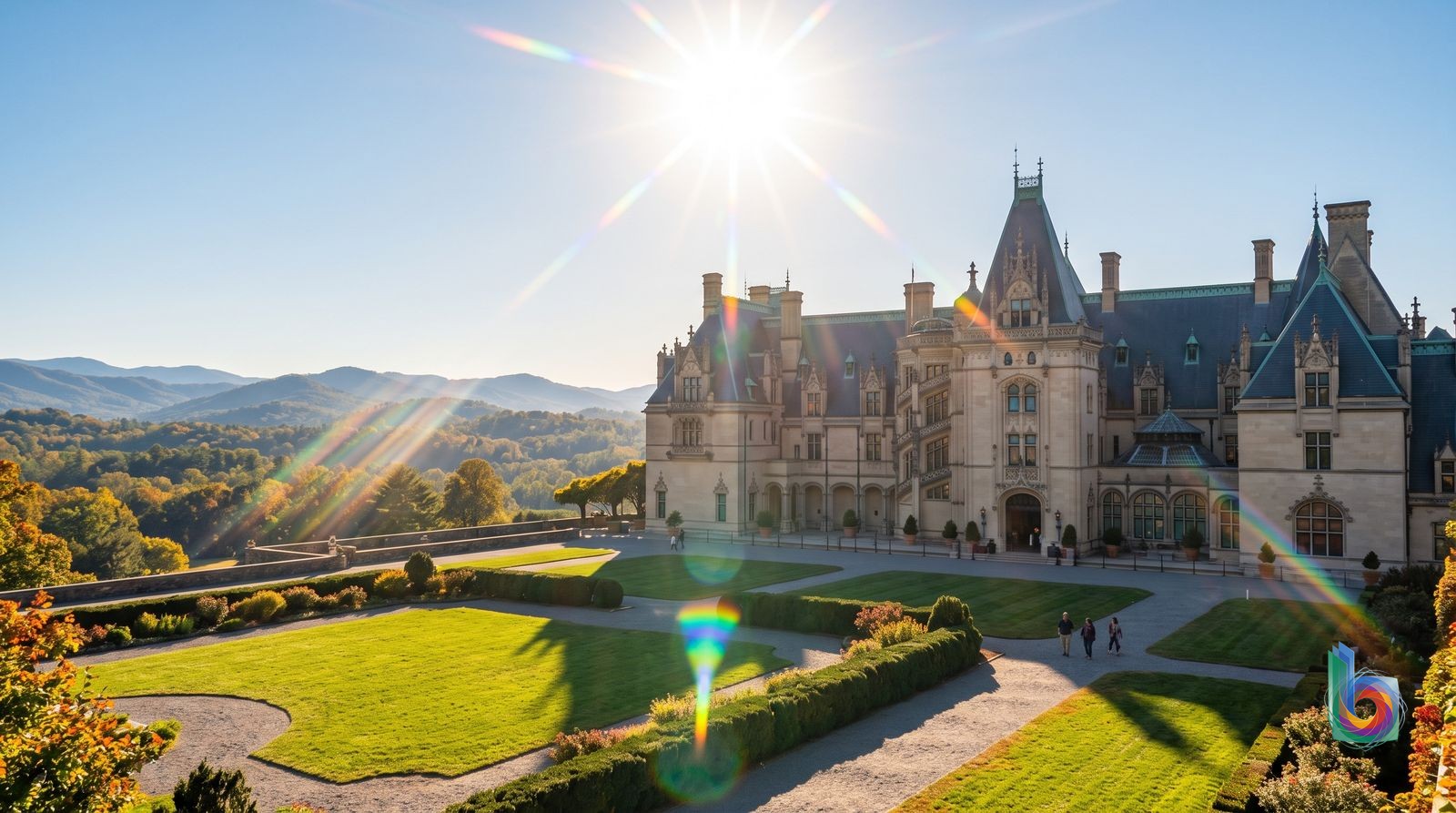
First visit? Stay in Downtown Asheville.
Downtown Asheville is the clear first-visit default because it is the one base where Asheville works well on foot: Art Deco architecture, independent shops, galleries, restaurants, breweries and evening activity are concentrated within a compact core. It is also the ART bus hub at Coxe Avenue. Choose it unless quiet nights, a historic inn setting, or a Biltmore-centered itinerary matters more than being able to walk out the door and start exploring.
luxury →
Best for a polished, upscale stay built around the Biltmore Estate, with refined lodging, shops and dining nearby. It is calmer than Downtown, but plan on driving or rideshare for downtown evenings.
value →
West Asheville usually makes more sense than the central core for travelers seeking a less polished, more neighborhood-oriented stay, with Haywood Road restaurants, bars and vintage shopping. It is not a car-free downtown substitute; use rideshare or a car for the center and mountain outings.
family →
A sensible family compromise: residential calm, easier parking and roomier B&B-style options, while remaining convenient by car to both downtown and Biltmore. It lacks walk-out-the-door entertainment, which is often a benefit for early nights.
nightlife →
Choose South Slope for brewery hopping, casual food and the most energetic late-night scene. It is close to downtown, but Friday and Saturday can be loud and alcohol-focused; families and light sleepers should look elsewhere.
quiet →
Historic homes, porches and B&Bs make this the best near-downtown quiet base. Several inns are roughly a half-mile from downtown, though the return walk is hilly and less appealing after dark than staying in the center.
rail-day-trips →
Asheville is not a practical rail-day-trip city: the useful local transit hub is downtown's ART Station, while regional sightseeing generally requires a car or tour. Downtown is still the least inconvenient base for bus access and for filling non-driving days on foot.
return-visitor →
For a second or third visit, the RAD offers working studios, galleries and French Broad riverfront character that feels meaningfully different from the downtown circuit. Stay only if you accept that it is elongated, industrial in parts and much easier with a car.
Avoid sleeping near South Asheville commercial corridors: Travelers often save a little on a suburban chain hotel, then spend the trip driving through traffic to downtown, the River Arts District and breweries. It is practical for a road trip, not for an Asheville weekend built around wandering and drinks.
Avoid sleeping near East Asheville and Haw Creek roadside hotel areas: These locations can be quiet and parking-friendly, but many sit by busy roads with no visitor-ready center outside the door. A car is effectively essential, and a short first visit can feel spent in transit rather than in Asheville.
Avoid sleeping near The outer River Arts District industrial stretches: Do not book merely because a listing says 'River Arts District.' Studios and food are dispersed, industrial blocks go quiet after business hours, and the route to downtown is not a seamless stroll. Confirm the exact address and walkability before committing.
Avoid sleeping near South Slope, for light sleepers or non-drinkers: It is not a bad district, but it is the wrong sleep choice if you want early nights, historic atmosphere or calm streets. Weekend noise, crowds and brewery traffic are features for nightlife travelers and liabilities for everyone else.
The neighborhoods
Pick the areas you want to be around — the hotels and tables below narrow to them.
Stay here Fine base Visit, don't sleep
Downtown AshevilleFirst-timer default
Art Deco core, walkable and busy
The practical center of a first Asheville visit: Art Deco streets, independent shops, galleries, breweries, restaurants and the city's densest concentration of hotels. It is compact enough to wander without a plan, but it is a real downtown rather than a preserved theme district—expect street activity, service alleys and a mix of polished and scruffy blocks.
Vs. others: Pick Downtown Asheville over Montford if you want to walk to the widest choice of restaurants and evening activity; pick Montford if a historic-house stay and quieter nights matter more than stepping outside into the action.
This is Asheville's most walkable base and the useful hub for ART buses; the ART Station is on Coxe Avenue. ART runs Monday through Saturday and is often infrequent beyond downtown, so it is not a substitute for a car for the Blue Ridge Parkway, Biltmore Estate or mountain trailheads.
Best for: first-timers, foodies, nightlife, car-free short stays, architecture lovers
Weekend and leaf-season crowds make the central blocks feel tourist-forward. · Hotels, parking and meals are rarely the city's value option. · Some late-night blocks and parking areas feel less comfortable than the restaurant-filled main streets; use normal city awareness.
See hotels in Downtown AshevilleSouth SlopeExcellent base
Breweries, murals, late-night momentum
Immediately south of downtown, South Slope is Asheville's brewery-and-nightlife district: taprooms, casual food, murals and newer lodging among former industrial blocks. It is close enough to function as downtown's extension, but its appeal is drinking and socializing rather than old-city sightseeing.
Vs. others: Pick South Slope over Downtown Asheville if brewery hopping and a livelier late evening are priorities; pick Downtown over South Slope if you want more shops, architecture and daytime wandering at your door.
Walkable to central downtown, generally about a short uphill-or-downhill stroll depending on the block. ART service is centered downtown rather than designed as frequent neighborhood circulation; a car or rideshare remains easier for sights outside the core.
Best for: nightlife, beer fans, foodies, couples, return visitors
Friday and Saturday nights can be loud, crowded and alcohol-centered. · The industrial streetscape is less charming once the taprooms close. · Walking back to some hotels involves slopes and less animated blocks.
See hotels in South SlopeRiver Arts DistrictAcceptable base
Studios and riverfront, not a downtown substitute
The River Arts District (RAD) spreads along the French Broad River in former industrial buildings, with working artists' studios, galleries, food and drink. It is rewarding for browsing and buying art, but it is elongated rather than a neat walkable village; where you stay within it makes a large difference to what is on foot.
Vs. others: Pick the River Arts District over West Asheville if artists' studios and the river are the reason for your trip; pick West Asheville if you want a more conventional neighborhood strip for meals and evening strolling.
It is close to downtown geographically but not seamlessly walkable from every part of the district, and the river/rail-industrial geography breaks up routes. ART can help on some corridors, but service is not frequent enough to make a car unnecessary; downtown is the transit hub.
Best for: art lovers, return visitors, couples, travelers with a car
The district is spread out, so 'near the RAD' can still mean a substantial walk or drive between studios. · Industrial blocks can feel quiet after business hours. · It has less all-day convenience—groceries, sightseeing and broad hotel choice—than Downtown.
See hotels in River Arts DistrictWest AshevilleExcellent base
Independent strip, residential edges
Across the French Broad from downtown, West Asheville is the more casual, locally oriented alternative: Haywood Road supplies restaurants, bars, vintage shops and an independent streak, while the surrounding streets are residential. It feels less visitor-polished than downtown, though it is no longer undiscovered.
Vs. others: Pick West Asheville over South Slope if you want neighborhood restaurants and a less brewery-dominated evening; pick South Slope if you want to walk to downtown's attractions and concentrate your nightlife in one compact area.
Haywood Road is walkable once you are there, but it is not a convenient on-foot base for downtown attractions. ART serves the city, yet frequencies outside downtown are limited and most visitors will prefer a car or rideshare for downtown, Biltmore and the Parkway.
Best for: foodies, return visitors, nightlife, value-minded travelers, travelers who like neighborhood character
The commercial strip is linear rather than a compact sightseeing district. · Crossing the river to downtown is not a pleasant default walk for every hotel location. · Accommodation quality and immediate surroundings vary considerably block to block.
See hotels in West AshevilleMontford and Chestnut HillExcellent base
Porches, B&Bs, near downtown
These adjoining historic neighborhoods north of downtown are Asheville's classic inn-and-porch choice: large older houses, leafy streets and a substantial supply of B&Bs. They offer a calmer, more residential experience while remaining close enough for a downtown dinner, particularly from the southern edge.
Vs. others: Pick Montford and Chestnut Hill over Downtown Asheville if you want a historic B&B and quieter sleep; pick Downtown if you want restaurants, shops and transit immediately outside your hotel.
The southern portion is roughly a half-mile to downtown, as are several Montford inns, but the walk is hilly and location-specific. ART is most useful once you reach downtown; do not assume a frequent neighborhood bus will solve sightseeing beyond the center.
Best for: couples, quiet, historic inns, first-timers who prefer B&Bs, return visitors
There is little commercial life within the residential streets, so meals usually mean walking or driving downtown. · Hills and dark residential blocks make the return walk less appealing late at night. · Historic inns often mean stairs, individual-room layouts and fewer big-hotel conveniences.
See hotels in Montford and Chestnut HillBiltmore VillageExcellent base
Estate gateway, polished and separate
Biltmore Village sits by the entrance area for the Biltmore Estate, with upscale shops, restaurants and lodging in a compact historic-commercial setting. It is sensible for an estate-focused itinerary, but it is not downtown and should not be sold as if it were an easy stroll to Asheville's main nightlife and Art Deco core.
Vs. others: Pick Biltmore Village over Downtown Asheville if the Biltmore Estate is the centerpiece of your trip and you prefer a calmer, more upscale base; pick Downtown if restaurants, galleries and walkable evenings are the centerpiece.
It is a short drive from downtown but not a practical downtown-walking base for most travelers. ART serves Asheville corridors, but limited frequency and the need for a car for estate and mountain outings make driving or rideshare the realistic plan.
Best for: luxury, couples, Biltmore Estate visitors, families with a car
It can feel curated and visitor-oriented compared with Downtown or West Asheville. · It is separated from downtown by a drive rather than a pleasant all-purpose walk. · Dining and lodging skew upscale, and the area quiets earlier than downtown.
See hotels in Biltmore VillageKenilworth and Biltmore Avenue SouthAcceptable base
Residential convenience near Biltmore
Kenilworth is a leafy residential area south of downtown, with Biltmore Avenue acting as the useful commercial spine toward Biltmore Village and the estate. It works best for travelers who value space, parking and proximity to Biltmore over being in an entertainment district; Sweet Biscuit Inn is among the neighborhood's historic-stay examples.
Vs. others: Pick Kenilworth and Biltmore Avenue South over Biltmore Village if you want a more residential, often less resort-like setting near the estate; pick Biltmore Village if you want shops and restaurants directly around your lodging.
It is roughly between downtown and Biltmore Village, but the residential parts are not a compact pedestrian destination. ART can connect major corridors, though service is limited outside downtown and a car is much more convenient.
Best for: families, quiet, Biltmore Estate visitors, travelers with a car, B&B stays
Much of the neighborhood has no useful street life for a visitor. · Walking is affected by hills, busy Biltmore Avenue crossings and dispersed lodging. · A listing described as 'near Biltmore' may still require driving for estate entry and downtown.
See hotels in Kenilworth and Biltmore Avenue SouthNorth Asheville and Grove ParkAcceptable base
Green, elevated, resort-adjacent north
North Asheville covers the greener, hillier neighborhoods north of the center, including the Grove Park area. It is an attractive choice for resort or inn stays and a more residential pace, not a district to choose for an all-day shop-and-gallery crawl.
Vs. others: Pick North Asheville and Grove Park over Montford and Chestnut Hill if resort amenities and a secluded setting outweigh proximity to downtown; pick Montford if you want historic character with a realistically walkable downtown option.
The terrain is hilly and destinations are dispersed. ART is citywide but infrequent outside downtown; driving or rideshare is the practical way to reach downtown, Biltmore and the Blue Ridge Parkway.
Best for: luxury, quiet, couples, golf-and-spa travelers, travelers with a car
The setting trades away walkability and spontaneous dining choices. · Hills make even short distances feel longer. · Resort-area lodging can be expensive without delivering downtown convenience.
See hotels in North Asheville and Grove ParkEast Asheville and Haw CreekAcceptable base
Practical eastern base, little theater
East Asheville and Haw Creek are largely residential and commercial corridors east of downtown. This is a functional base for road-trip travelers—often easier for parking and onward drives toward the Blue Ridge Parkway—rather than a neighborhood most visitors come to wander.
Vs. others: Pick East Asheville and Haw Creek over Downtown Asheville if parking, a quieter room and easier driving matter more than evening walkability; pick Downtown if this is your first short visit and you want Asheville outside your door.
ART reaches parts of East Asheville, but schedules are limited outside downtown and routes do not make it a convenient substitute for driving. Downtown attractions are generally a drive or rideshare away; the area is better positioned for car-based outings than for pedestrian sightseeing.
Best for: families, value, quiet, road-trippers, travelers with a car
There is no single visitor-friendly core comparable to downtown or Haywood Road. · Hotels can be near busy roads rather than places you want to stroll. · A car is effectively essential for most itineraries.
See hotels in East Asheville and Haw CreekSouth AshevilleAcceptable base
Suburban convenience, car-first lodging
South Asheville is the broad, commercial-residential area beyond Biltmore Village toward the southern approaches to town. It is useful for chain-style convenience, family space and road access, but it offers little of the compact, idiosyncratic Asheville experience visitors usually picture.
Vs. others: Pick South Asheville over Biltmore Village if room practicality, parking and a quieter suburban base matter more than being near the estate's visitor district; pick Biltmore Village if you want a more atmospheric stay and easier access to its shops and restaurants.
This is a car-oriented area. ART operates citywide on a Monday-to-Saturday schedule, but service beyond downtown is generally infrequent; downtown, the River Arts District and mountain sights are not convenient walks.
Best for: families, value, road-trippers, quiet, travelers with a car
Its commercial corridors can feel interchangeable with suburban areas in other cities. · Distance and traffic make repeated trips downtown tiring. · It is a poor choice if your plan is to drink downtown and walk home.
See hotels in South AshevilleWhere to stay
Hotels in Asheville
Elevation Lofts HotelHotel5.0 · 112 reviews
Aloft by Marriott Asheville DowntownHotel · $$4.4 · 1,861 reviews
Carolina Bed & BreakfastBed and Breakfast4.9 · 151 reviews
Chestnut Street InnBed and Breakfast4.9 · 149 reviews
Princess Anne HotelBed and Breakfast4.8 · 323 reviews
Kimpton Hotel ArrasHotel4.7 · 918 reviews