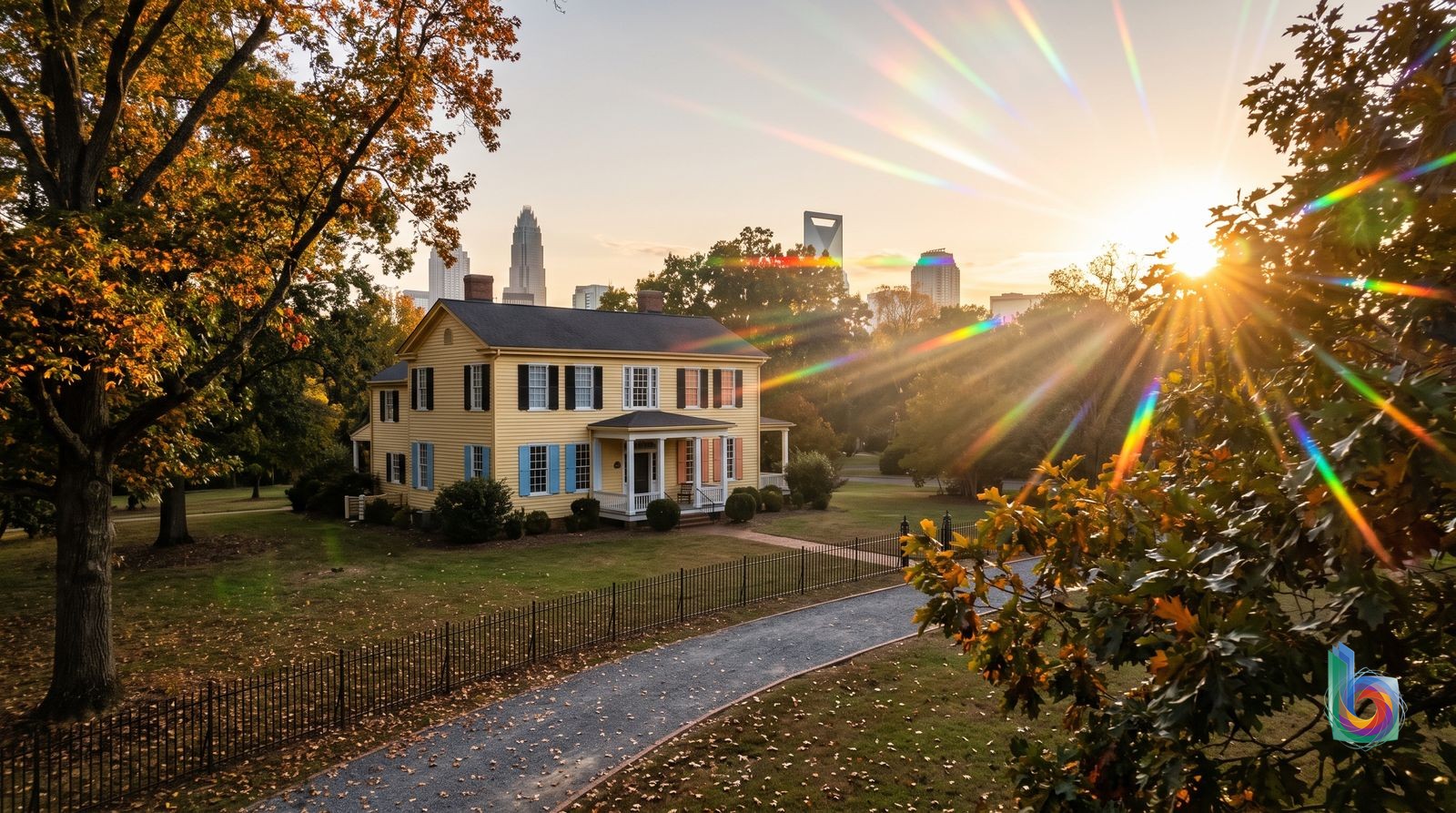
First visit? Stay in Uptown.
Uptown is the sensible first-visit base because Charlotte’s headline museums, theaters, sports venues, parks and central restaurants are concentrated here, and it is the city’s strongest walking district. The Blue Line and Gold Line make it the easiest place to reach South End, NoDa and other close-in areas without committing to a car. Its trade-off is a corporate, sometimes quiet-after-hours feel—choose South End instead only if dining and nightlife matter more than the major sights.
luxury →
Choose SouthPark for upscale full-service hotels, shopping and a quieter, polished environment than Uptown. It is best for travelers happy to use a car or rideshare; it is not a substitute for a walkable city-center stay.
value →
University City commonly offers practical chain-hotel value, especially for campus visits and concert nights, and the Blue Line gives a direct route toward NoDa, Uptown and South End. The saving comes with suburban surroundings and likely last-mile rides between hotel, station and attractions.
family →
Dilworth gives families leafy streets, East Boulevard restaurants and Freedom Park, with a calmer nighttime atmosphere than Uptown or South End. Pick Uptown instead if museums, a game or kid-focused central attractions are the priority.
nightlife →
South End is the strongest hotel base for brewery-hopping, restaurant patios and an active evening scene, with multiple Blue Line stops for getting back from Uptown or continuing to NoDa. Expect weekend noise, crowds and premium pricing.
quiet →
Dilworth is the best close-in compromise for a peaceful night without being marooned in the suburbs. It has residential charm and park access, though limited lodging means availability and rates can be less favorable than its calm appearance suggests.
rail-day-trips →
For travelers relying on Charlotte’s urban rail, Uptown offers the most useful central access to both the Blue Line and Gold Line while keeping sights walkable. The Amtrak station itself is north of the core, so plan a short rideshare or connecting transit rather than expecting to walk there with luggage.
return-visitor →
NoDa is the better second-trip base for live music, bars, murals and a less corporate feel than Uptown. Its 36th Street Blue Line access makes it viable without a car, but book near North Davidson if you want to walk to the action and accept nightlife noise.
Avoid sleeping near Airport hotel corridors around Charlotte Douglas International Airport: These hotels are convenient for a late arrival or early flight, not for a Charlotte visit. They are disconnected from the walkable districts, force rideshare or car trips for nearly everything, and offer little reason to spend an evening outside the hotel.
Avoid sleeping near Far-south Ballantyne and outer I-485 hotel clusters: They can look attractive on a booking map because of newer hotels and parking, but they are suburban, car-dependent and far from Uptown, South End and NoDa. Stay there for a specific business or resort purpose, not for city sightseeing.
Avoid sleeping near Generic interstate-edge lodging in University City: University City can be a good value base when a hotel is near the Blue Line or your campus/concert destination. Interstate and retail-park hotels farther from stations leave visitors in a spread-out strip landscape, often needing rideshare even to begin using transit.
The neighborhoods
Pick the areas you want to be around — the hotels and tables below narrow to them.
Stay here Fine base Visit, don't sleep
UptownFirst-timer default
Museums, towers, arenas, easiest first base
Charlotte’s compact center is where the major museums, Spectrum Center, Bank of America Stadium, theaters, parks and corporate towers concentrate. It is genuinely walkable by Charlotte standards, but it can feel more like a business district than a lived-in neighborhood once office workers leave.
Vs. others: Pick Uptown over South End if museums, games and walkability to the headline sights matter; pick South End if restaurants, breweries and a more residential evening scene matter more.
The Blue Line runs through the western edge of Uptown, and the Gold Line streetcar crosses the center. Most central attractions are walkable, though the Amtrak station is north of the core rather than beside the main hotel cluster.
Best for: first-timers, families, luxury, rail-day-trips, car-free travelers
Office-heavy blocks can be quiet at night and on weekends. · Hotel and event-night prices can be high. · Car break-ins are a practical concern; do not leave belongings visible.
See hotels in UptownSouth EndExcellent base
Rail-side breweries, dining, apartments, buzz
South End is Charlotte’s polished, fast-growing former industrial corridor: breweries, restaurants, patios, boutiques, apartments and cranes along South Boulevard and the Rail Trail. It is one of the city’s best areas for an evening wander, though much of its personality is recent development rather than old Charlotte.
Vs. others: Pick South End over Uptown for breweries and an active after-work scene; pick Uptown over South End for museums, sports venues and easier sightseeing.
Several LYNX Blue Line stops run through the district, giving direct access to Uptown and NoDa. The Rail Trail makes the central corridor easy on foot, but attractions beyond it quickly become less walkable.
Best for: nightlife, foodies, return-visitors, couples, car-free travelers
It can be loud, crowded and expensive on weekend nights. · Construction and traffic are persistent realities. · Some restaurants and bars favor polished concepts over distinctive local character.
See hotels in South EndNoDaExcellent base
Arts-district energy, music, bars, light rail
NoDa—North Davidson—is the old mill district turned arts-and-entertainment neighborhood. It remains more individualistic than South End, with music venues, murals, casual bars, galleries and independent-minded businesses, although redevelopment has softened some of its rougher creative edge.
Vs. others: Pick NoDa over South End for live music and a less corporate feel; pick South End over NoDa for more hotels, polished dining and easier access to Uptown.
The Blue Line serves NoDa at 36th Street and provides a direct ride to Uptown and South End. North Davidson is walkable for a short browse, but the wider neighborhood is not uniformly pedestrian-friendly.
Best for: nightlife, foodies, return-visitors, music fans, car-free travelers
Nightlife noise is real near North Davidson. · The area is smaller than visitors sometimes expect. · Late-night walks off the main commercial strip deserve normal city awareness.
See hotels in NoDaPlaza MidwoodAcceptable base
Eclectic shops, dives, patios, local character
Plaza Midwood is Charlotte’s most reliably eclectic close-in neighborhood: vintage and independent shops, tattoo-and-record-store energy, old bungalows, casual restaurants and bars. It feels more lived-in and less master-planned than South End, without being a major sightseeing district.
Vs. others: Pick Plaza Midwood over NoDa for a more residential, scruffier neighborhood feel; pick NoDa over Plaza Midwood for light-rail convenience and live-music concentration.
The Gold Line streetcar reaches the eastern side of the neighborhood corridor, but service is not a substitute for the Blue Line’s reach. Rideshare, bus or a car makes exploring Charlotte beyond the immediate strip easier.
Best for: return-visitors, nightlife, foodies, travelers wanting local character
Hotel choices are limited compared with Uptown or South End. · The commercial corridors can be noisy at night. · Streetcar access does not make the whole neighborhood car-free convenient.
See hotels in Plaza MidwoodDilworthExcellent base
Leafy streetcar suburb, restaurants, calm
Dilworth is an attractive historic streetcar suburb just south of Uptown, known for bungalow-lined streets, East Boulevard dining and the greenery around Freedom Park. It is one of the better choices for travelers who want Charlotte to feel residential without being remote.
Vs. others: Pick Dilworth over South End for leafy streets and a quieter night; pick South End over Dilworth for light-rail access, breweries and later nightlife.
The Blue Line is accessible along the western edge around East/West Boulevard, while Uptown is a short ride or longer walk north. East Boulevard and Freedom Park are pleasant on foot; Charlotte’s summer heat makes distances feel longer.
Best for: families, quiet, couples, first-timers, walkers
Lodging inventory is limited and can be pricey. · It is more a place to stroll and eat than to sightsee all day. · Not every attractive residential street leads conveniently to transit.
See hotels in DilworthElizabethAcceptable base
Streetcar access, porches, hospitals, cafés
Elizabeth sits east of Uptown between the polish of Dilworth and the edge of Plaza Midwood. Its shaded residential streets, small commercial pockets and proximity to hospitals and campuses make it an understated, practical close-in choice rather than a destination packed with attractions.
Vs. others: Pick Elizabeth over Plaza Midwood for a calmer, more residential base with streetcar access; pick Plaza Midwood over Elizabeth for bars, shops and more evening energy.
The Gold Line streetcar links Elizabeth with Uptown and continues east toward Plaza Midwood/Eastland. It is good for a few core trips, but buses, rideshare or a car remain useful for much of Charlotte.
Best for: quiet, families, return-visitors, value travelers
There are relatively few conventional hotel options. · The district’s appeal is subtle; visitors looking for a big attraction may find it sleepy. · Streetcar coverage is narrower and slower than the Blue Line corridor.
See hotels in ElizabethMyers ParkVisit, don't sleep
Grand homes, canopy, parks, no bustle
Myers Park is Charlotte’s old-money residential showpiece: winding, tree-shaded avenues, large homes, Queens University and easy access to Freedom Park. It is worth a drive, bike ride or relaxed walk for architecture and greenery, but it is not a practical sightseeing base for most visitors.
Vs. others: Pick Myers Park over Dilworth for grander homes and a quieter residential landscape; pick Dilworth over Myers Park if you want restaurants, transit and a realistic place to stay.
There is no rail service through Myers Park. It is best reached by car, rideshare or bus, and its curving avenues are pleasant but not efficient for moving between visitor sights.
Best for: quiet, architecture fans, families, return-visitors
It has very limited tourist lodging and little evening activity. · Distances are deceptive on winding streets. · A car or rideshare is effectively necessary.
See hotels in Myers ParkSouthParkExcellent base
Upscale shopping, business hotels, car required
SouthPark is an affluent, largely postwar business-and-shopping district centered on SouthPark Mall, offices, high-rise residences and upscale hotels. It works well for a polished hotel stay or shopping trip, but it is suburban Charlotte rather than a walkable urban neighborhood.
Vs. others: Pick SouthPark over Uptown for quieter upscale hotels and shopping; pick Uptown over SouthPark for museums, sports, transit and a walkable city visit.
There is no light-rail stop in SouthPark. Buses connect it to the center, but a car or rideshare is the realistic way to get around and to reach Uptown attractions.
Best for: luxury, families, business travelers, shopping
It is traffic-heavy and fundamentally car dependent. · The mall-and-office setting can feel generic after dark. · Staying here adds time and rideshare cost to nearly every central-city outing.
See hotels in SouthParkUniversity CityAcceptable base
Campus corridor, events, practical chain hotels
University City is the sprawling northeast district around UNC Charlotte, with campus life, PNC Music Pavilion nearby, plentiful chain hotels and retail. It is useful for a university visit, a concert or a value-oriented stay, not for a classic Charlotte neighborhood experience.
Vs. others: Pick University City over Uptown for campus or PNC Music Pavilion access and often better hotel value; pick Uptown over University City for nearly every downtown attraction and a walkable evening.
The Blue Line terminates at UNC Charlotte and runs directly to NoDa, Uptown and South End. The station helps, but hotels, shopping centers and the music pavilion are spread out and often require rideshare or a car.
Best for: value, families, concertgoers, university visitors, rail-day-trips
Much of the district is suburban strip development. · PNC Music Pavilion is not conveniently walkable from most lodging. · It can feel isolated from the visitor core despite the rail link.
See hotels in University CityEast CharlotteVisit, don't sleep
Global food, immigrant corridors, sprawling reality
East Charlotte is broad rather than neatly bounded, and its main visitor draw is food: immigrant-run restaurants, markets and cuisines that the trendier central neighborhoods cannot match. It is more everyday city than curated destination, with substantial variation block to block.
Vs. others: Pick East Charlotte over South End for international food and less curated dining; pick South End over East Charlotte for a walkable, transit-connected visitor base.
The Gold Line reaches the inner eastern edge, but East Charlotte’s restaurants and markets are widely dispersed along commercial corridors. A car or rideshare is usually the practical option.
Best for: foodies, budget travelers, return-visitors, travelers seeking immigrant food
It is not a single walkable district. · Some commercial stretches feel worn and are less comfortable for aimless late-night walking. · Hotel location and transit access vary sharply, so do not book based on the broad district name alone.
See hotels in East Charlotte


