December 1–January 14
Early winter through the Christmas–New Year holiday stretch. Snow and terrain can still be building in December; by the holiday period, the town is busy, expensive and road conditions can deteriorate quickly in storms.
Christmas–New Year’s brings some of the year’s highest lodging rates, crowded lifts, booked-out restaurants and difficult parking. December snow reliability is lower than the midwinter core.
January 15–March 15
The most reliable ski season: generally the strongest snow window, full winter atmosphere and the best odds of proper powder conditions. Expect cold temperatures, icy Old Town streets and occasional major travel disruption during storms.
This is also the priciest and busiest period. Weekends, powder days and holiday weeks mean crowded lifts, scarce lessons, restaurant reservations and rideshare surges.
March 16–April 30
Late-season skiing can be enjoyable, with longer daylight and a mix of fresh snowstorms, firm mornings and softer afternoon snow. Operations begin to wind down as resorts transition out of winter.
Snow quality is variable, and lift, terrain, dining and activity availability can shrink as seasonal operations close. Do not assume full winter conditions through April.
May 1–June 15
A quiet shoulder season while mountain operations reset. Weather is changeable, trails can be muddy and some visitor services are seasonal or limited.
This is not the dependable period for either skiing or dry high-country hiking and biking. Mud, variable weather and closures are the defining compromises.
June 16–August 31
Park City’s prime warm-weather season: warm days, cool evenings and strong conditions for hiking and biking. The altitude means intense sun even when temperatures feel comfortable.
Bring sun protection and pace yourself at altitude. Early August becomes notably busier around the Kimball Arts Festival, with tighter lodging and restaurant availability.
September 1–October 31
A generally pleasant fall period, often with cooler temperatures and fewer visitors after summer. Conditions become increasingly variable later in October as winter approaches.
This is a transition season: weather can turn quickly, and late October may bring reduced mountain operations and fewer dependable outdoor conditions.
Sundance Film Festival · Usually January
The festival materially reshapes Park City: centrally located lodging, restaurants, rideshares and roads are under exceptional pressure, and screenings, passes and premieres should be pursued as soon as ticket windows open. Avoid the period if you want a straightforward ski trip rather than the festival.
Presidents’ Day weekend · Mid-February
One of the busiest ski weekends of the season. Expect high lodging prices, crowded lifts, limited ski-school capacity, booked restaurants and heavier traffic between Salt Lake City and Park City.
Kimball Arts Festival · Early August
This brings a substantial summer crowd to town, particularly around Historic Main Street. Book lodging and dinner ahead, and expect more congestion and a less quiet Main Street experience.
Christmas–New Year’s holiday period · Late December through January 1
A peak ski-travel period rather than a single festival, but consequential enough to plan around: high room rates, busy slopes, booked dining and storm-sensitive road congestion are standard.
Free citywide bus
The default for a car-free stay and ski days: it links Historic Main Street/Old Town, Park City Mountain Village, Deer Valley/Snow Park, Prospector, Canyons Village and Kimball Junction. Skis and snowboards are accepted, so use it rather than driving between resorts or hunting for Main Street parking.
Ride the free local network for lift access, Main Street dinners and cross-town trips. Check the current timetable and the stop nearest your lodging before committing to a hotel; ‘Park City’ addresses can be much farther from a stop than listings imply.
It is least convenient in spread-out or elevated lodging: Empire Pass property access varies and steep roads make the last leg awkward; Park Meadows/Thaynes Canyon is residential and property-dependent; Canyons Village and Kimball Junction mean longer rides. It is also not the answer for late-night spontaneity after Main Street.
Walking
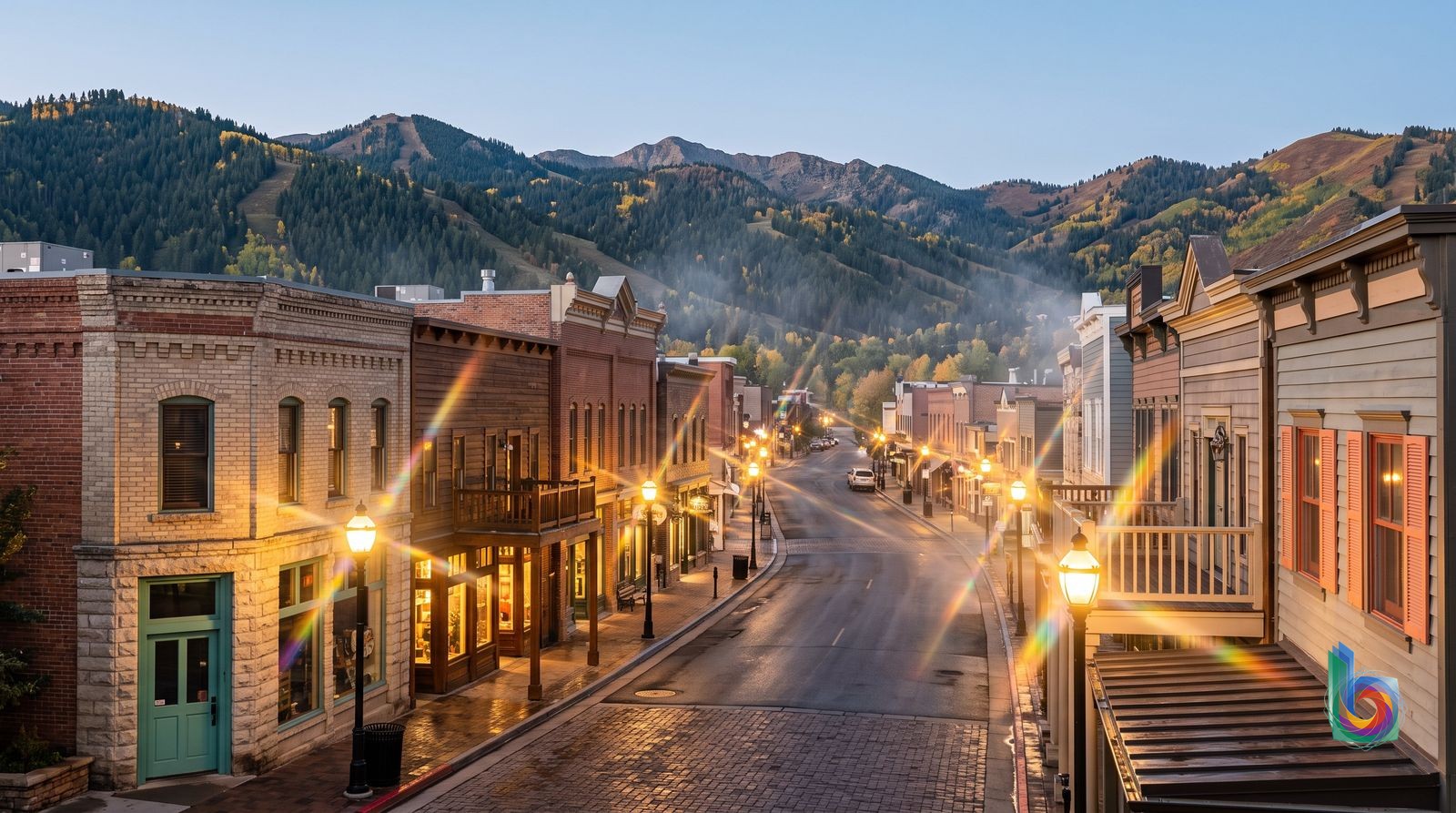
Historic Main Street and the compact commercial core of Old Town, especially for restaurants, bars, galleries and the Town Lift area. It is the most enjoyable way to experience the postcard part of Park City.
Choose a genuinely central Old Town or Main Street address, then plan to walk the core and use buses for the mountain bases, Deer Valley and Canyons Village. In winter, wear traction-ready footwear and allow more time than the map suggests.
Old Town’s side streets are steep and can be icy; at 6,700-plus feet, even short uphill walks are taxing. Walking stops working well for many Park City Mountain base properties, Deer Valley/Snow Park, Empire Pass, Canyons Village, Kimball Junction, Prospector and Park Meadows—none is an effortless Main Street stroll.
Rideshare or taxi
Late-night trips home from Main Street, dinner runs from Deer Valley or Canyons Village, and awkward lodging-to-lift hops—particularly if staying in a steep Old Town rental or a property without a convenient bus stop.
Request a ride early during storms, busy ski weekends and Sundance; build in a buffer for airport-style timing when you have a reservation or lesson. This is a useful supplement to the free buses, not a replacement for them all day.
Expect surge pricing and longer waits in snowstorms, on weekends and during Sundance. Empire Pass’s steep mountain-road setting can make a ride necessary but not instantly available; do not assume a quick, cheap pickup at closing time.
Rental car or personal car
Travelers staying in Park Meadows/Thaynes Canyon, scattered Empire Pass lodging or Kimball Junction; families with a lot of gear; and anyone planning to leave the Wasatch Back or ski multiple areas on their own timetable.
If driving in winter, use a properly snow-capable vehicle and leave generous stopping distance. Park once near your base and switch to walking or the free bus for Main Street and resort-to-resort movement.
A car is more burden than freedom in Old Town and on powder mornings: narrow streets, constrained parking and winter congestion make Main Street parking a poor plan. Free parking exists, including parts of the China Bridge and Gateway garages, but availability and time limits are too variable to build a ski day around; mountain driving around Empire Pass also demands confidence.
Bookable experiences per person, per day
Based on 66 currently available tours and tickets. Hotels, meals and transport are not included.
Safety: The main risk is winter driving: use a properly snow-capable vehicle only if you’re comfortable on ice, leave extra stopping distance, and let free buses replace Main Street parking hunts or storm-time resort driving.
Book before you land
Salt Lake CityFull day; about 35 miles each way, typically 45–60 minutes by car via I-80, longer by bus.
This is the only obvious urban counterpoint to Park City: a real state capital with museums, neighborhoods and a broader food scene, rather than another resort stop. It is worth the switch if you want city texture or are already using SLC airport; it is not worth sacrificing a powder day or a good summer mountain day for a rushed downtown lap.
Antelope Island State ParkFull day; roughly 1.5–2 hours each way by car, depending on traffic and the route.
For a landscape Park City cannot supply: exposed Great Salt Lake views, open range and bison rather than groomed resort terrain and condo villages. Go only in clear weather and bring insect protection in the warm season; it is a driving day, not a casual add-on.
Mirror Lake Scenic Byway and the Uinta MountainsFull day; allow about 1.5–2 hours each way by car, plus time for stops or a hike.
A proper high-country escape for alpine lakes and trailheads, and a stronger summer road trip than hopping between Park City’s ski bases. It is emphatically seasonal: snow can close the route, so do not build a winter itinerary around it.
Researched Nov 11, 2026