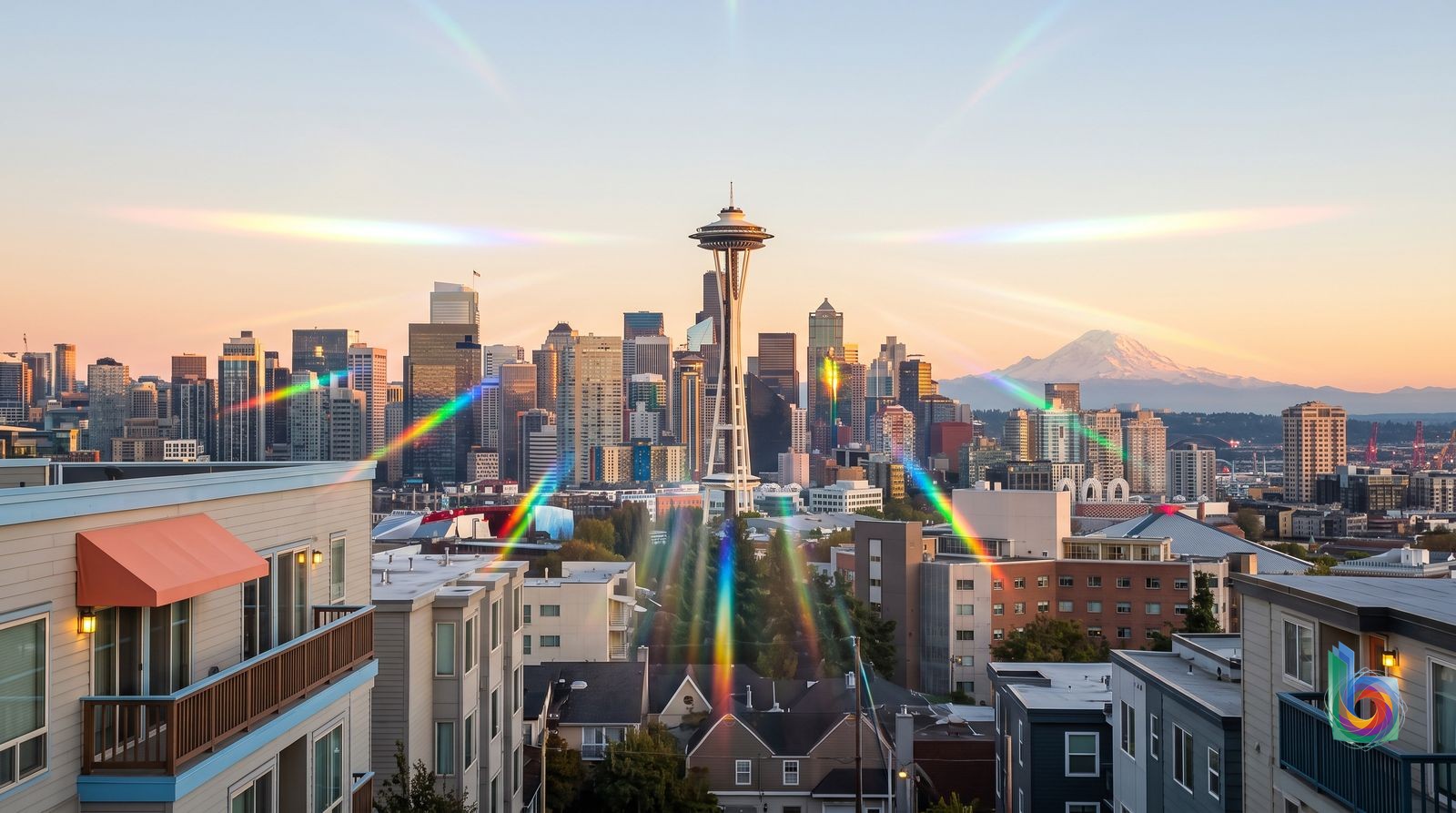
First visit? Stay in Downtown & Pike Place Market.
Seattle’s strongest concentration of full-service luxury hotels sits here, with Pike Place, Elliott Bay ferries and the waterfront immediately useful rather than merely scenic. Choose it over South Lake Union if classic sightseeing and walkability matter more than a newer, calmer hotel district.
The U District is not a bargain paradise, but its student-oriented food, more functional lodging options and direct Link 1 Line access make it a better value play than central Seattle. Choose it over Downtown & Pike Place Market if you can trade a central walk for a quick train ride and a less polished streetscape.
It puts the Space Needle, Seattle Center museums and Climate Pledge Arena close by, and avoids making every outing a steep downtown walk. Choose it over Belltown for a less bar-heavy evening environment; avoid booking on a major event night if quiet and room rates matter.
For bars, restaurants, LGBTQ+ nightlife and a genuinely lived-in evening scene, Capitol Hill is Seattle’s best hotel base. Capitol Hill Station makes downtown and the airport corridor straightforward. Choose it over Belltown for stronger neighborhood life and better independent dining, but stay off Pike/Pine itself if you are a light sleeper.
South Lake Union offers modern hotels, Lake Union walks and generally calmer nights than downtown or Capitol Hill, while remaining reasonably close to Seattle Center. Choose it over Lower Queen Anne if a newer, businesslike setting suits you; accept that its restaurant scene and street life can feel corporate and thin after work.
Westlake, University Street and Pioneer Square stations make the central Link spine easy to use, while ferries and buses add flexibility for a car-free itinerary. Choose it over Pioneer Square if you want the same broad rail access with more hotel choice, better waterfront access and more comfortable evening options.
Ballard is the better choice once Pike Place and the Space Needle are no longer the whole trip: its historic core, restaurants, breweries and locks reward lingering. Choose it over Fremont & Wallingford if you want the fuller dining-and-shopping district; do not choose it for a rail-heavy itinerary, because buses and traffic govern trips downtown.
Avoid sleeping near The 3rd Avenue corridor downtown, especially between Pine and Pike: This is central on a map but is regularly the part of downtown visitors find most uncomfortable after dark, with heavy street disorder around a major bus corridor. A hotel a few blocks away in the Pike Place, waterfront or Westlake orbit is usually a better first-time choice.
Avoid sleeping near Pioneer Square and the International District’s quieter station-adjacent blocks: Both are worthwhile districts and have valuable Link/King Street Station access, but their streets can empty out at night; Wikivoyage specifically flags the International District near 12th Avenue and Jackson Street for extra caution. Sleep here only if the rail, stadium or food focus outweighs the desire for relaxed late-night wandering.
Avoid sleeping near Aurora Avenue North motel strip: It may look inexpensive, but Wikivoyage notes that some low-priced motels here are associated with prostitution, drug dealing and other crime. It is also poorly positioned for core sightseeing and lacks the walkable neighborhood experience that makes Seattle worth staying in.
Pick the areas you want to be around — the hotels and tables below narrow to them.
Sightseeing center, convenience over neighborhood charm
This is the practical heart of a first Seattle trip: Pike Place, the waterfront, the Seattle Art Museum, ferries and a concentration of full-service hotels are close together. It is busy, commercial and sometimes scruffy rather than quaint, but it makes Seattle’s steep geography and scattered sights easier to manage.
Vs. others: Pick Downtown & Pike Place Market over Capitol Hill if landmark access and hotel convenience matter most; pick Capitol Hill if you want better independent food, bars and a neighborhood atmosphere.
Best for: first-timers, families, luxury, rail-day-trips, short stays
The Pike/Pine and 3rd Avenue area can feel hectic and uncomfortable late at night, especially around 3rd between Pine and Pike. · Restaurants nearest the market include plenty of tourist-oriented choices. · Hotels are commonly expensive, and downtown can feel quiet after office hours.
See hotels in Downtown & Pike Place MarketCentral dining and nightlife, louder after dark
Belltown is the dense strip between downtown and Seattle Center: condos, hotels, restaurants, cocktail bars and music venues rather than a historic village. It is one of the easiest places to combine dinner, nightlife and sightseeing on foot, provided you accept urban noise and uneven block-to-block atmosphere.
Vs. others: Pick Belltown over Lower Queen Anne if you want downtown and Pike Place within easier walking distance; pick Lower Queen Anne if Seattle Center is the priority and you prefer a less bar-heavy evening scene.
Best for: nightlife, foodies, first-timers, luxury, car-free travelers
Friday and Saturday bar traffic can be loud and occasionally unruly. · Some blocks feel rougher late at night than the restaurant density suggests. · Hotel rooms can be costly and street noise is common.
See hotels in BelltownSpace Needle doorstep, event-driven and convenient
The practical district around Seattle Center, Climate Pledge Arena and the Space Needle is more useful than picturesque. It works very well for museums, arena events and families, with a cluster of hotels and restaurants, but its mood rises and falls with conventions, concerts and games.
Vs. others: Pick Lower Queen Anne & Seattle Center over Belltown if the Space Needle, museums or an arena event anchor the trip; pick Belltown for a stronger restaurant-and-bar scene and a shorter walk to Pike Place.
Best for: families, event-goers, first-timers, quiet, value
Event nights bring crowds, surge-priced rooms and traffic. · The restaurant scene is more functional than destination-level. · The area can feel quiet once Seattle Center programming ends.
See hotels in Lower Queen Anne & Seattle CenterSeattle’s liveliest neighborhood after dark
Capitol Hill is dense, walkable and unapologetically social: LGBTQ+ institutions, Pike/Pine bars, cafés, record stores, restaurants and apartment streets all overlap. It is a better place to experience contemporary Seattle than to tick off major landmarks, and it offers enough hotel and rental inventory to be a compelling base.
Vs. others: Pick Capitol Hill over Downtown & Pike Place Market if dining, bars and neighborhood life matter more than waking beside the major sights; pick Downtown for ferries, Pike Place and the easiest sightseeing logistics.
Best for: nightlife, LGBTQ+ travelers, foodies, return-visitors, car-free travelers
Pike/Pine gets noisy and crowded on weekend nights, with occasional drunken disorder. · Lodging immediately beside nightlife can be loud well past midnight. · The neighborhood’s hills make a seemingly short walk more demanding than the map suggests.
See hotels in Capitol HillHistoric brick core, stadium-adjacent edge
Seattle’s oldest central district has handsome brick buildings, galleries, Underground Tour traffic, sports crowds and a more visibly hard-edged street life than glossy visitor guides imply. It is excellent for a day of history, baseball or football, and workable for a central stay if you choose the block carefully.
Vs. others: Pick Pioneer Square over Downtown & Pike Place Market if historic architecture, stadium access and Pioneer Square Station matter more than a polished tourist base; pick Downtown for more hotels, waterfront access and easier evenings.
Best for: history buffs, sports fans, rail-day-trips, architecture lovers
The area around Pioneer Square and nearby 3rd Avenue can feel uncomfortable at night. · Restaurant and bar quality is uneven, with some event-driven and tourist-focused options. · Game days are crowded and hotel demand can spike.
See hotels in Pioneer SquareSerious food, heritage, less polished nights
The International District combines Chinatown, Japantown and Little Saigon heritage with restaurants, groceries, Uwajimaya and major rail connections. Come to eat and learn rather than expecting a manicured entertainment district. It is one of Seattle’s most consequential neighborhoods, but after dark its quieter streets can feel less comfortable than downtown’s better-trafficked hotel zones.
Vs. others: Pick International District & Chinatown over Pioneer Square if eating and Asian-American history are the purpose; pick Pioneer Square for galleries, stadiums and a more hotel-oriented historic core.
Best for: foodies, history buffs, rail-day-trips, budget travelers
Wikivoyage specifically advises extra caution around the International District at night, particularly near 12th Avenue and Jackson Street. · Some businesses keep limited hours, so the district can empty out in the evening. · It is less convenient than Downtown for broad hotel choice and waterfront sightseeing.
See hotels in International District & ChinatownNew, polished, corporate and lakeside
South Lake Union is the Amazon-era district of new apartments, offices, biotech buildings, hotels and Lake Union paths. It is clean, convenient and often calmer at night than downtown, but its corporate, recently built feel is not everybody’s idea of Seattle character.
Vs. others: Pick South Lake Union over Downtown & Pike Place Market if a modern hotel, Lake Union access and a calmer base matter more than being able to walk to the market; pick Downtown for classic sightseeing and more character.
Best for: business travelers, families, luxury, quiet, lake activities
It can feel sterile and office-dominated outside work hours. · The streetcar is useful for a short corridor but not a substitute for broad rapid transit. · Dining is pricier and less distinctive than in Capitol Hill or the International District.
See hotels in South Lake UnionIndependent shops, breweries, real neighborhood life
Ballard’s compact historic core has boutiques, bakeries, breweries, restaurants and a strong neighborhood identity, while the Hiram M. Chittenden Locks and nearby waterfront add a genuinely Seattle outing. It is one of the best places to linger, but it is not central and should not be sold as an effortless first-time sightseeing base.
Vs. others: Pick Ballard over Fremont & Wallingford if you want a larger restaurant-and-shopping core and the locks; pick Fremont & Wallingford for quirkier public art and easier access toward the University District.
Best for: foodies, return-visitors, couples, quiet, brewery fans
The lack of rail makes airport arrivals and day trips less convenient. · Weekend dining and drinking crowds can make the core noisy and busy. · It is far from Pike Place, the waterfront and Pioneer Square compared with central bases.
See hotels in BallardQuirky canal villages, calm after dinner
Fremont offers the famous public-art oddities, cafés and a compact commercial strip beside the ship canal; Wallingford is more residential, with good food and a quieter main-street feel. Together they make an appealing, lived-in counterweight to downtown, especially for travelers who have already done the headline sights.
Vs. others: Pick Fremont & Wallingford over Ballard if you want a quirkier, calmer canal-side stay closer to the University District; pick Ballard for more shopping, breweries and a stronger destination dining core.
Best for: return-visitors, foodies, quiet, couples, families
Accommodation choice is thinner than downtown, Capitol Hill or Seattle Center. · Its attractions are pleasant rather than major, so first-timers may spend too much time commuting. · The hills and discontinuous street grid make walks less straightforward than they look.
See hotels in Fremont & WallingfordCampus energy, cheap eats, rail convenience
The U District is a working university neighborhood: University of Washington campus, bookshops, inexpensive international food, student apartments and a younger, rougher-around-the-edges commercial strip. It is a smart functional base for visitors tied to UW or looking to economize, not the city’s prettiest all-purpose holiday district.
Vs. others: Pick the University District over Ballard if Link access, UW and lower-cost eating matter more than boutiques and brewery hopping; pick Ballard for a more relaxed, visitor-friendly neighborhood experience.
Best for: budget travelers, families visiting students, rail-day-trips, foodies, return-visitors
The Ave can feel grubby and busy, and its restaurant quality is uneven. · Student calendars affect the atmosphere and some businesses’ hours. · It is not within walking distance of Pike Place or the waterfront.
See hotels in University DistrictDiverse south Seattle, food over landmarks
Columbia City is South Seattle’s most visitor-ready pocket, with a compact commercial strip, varied restaurants and a more genuinely local rhythm than downtown. Beacon Hill offers a quieter residential perch and fast rail access. This is a worthwhile place to eat and stay for travelers who want beyond-the-postcard Seattle, not a substitute for being near the core sights.
Vs. others: Pick Columbia City & Beacon Hill over the University District if South Seattle’s diversity and a calmer local base appeal more than campus life; pick the University District for closer access to UW and more immediate student-oriented dining.
Best for: foodies, return-visitors, value, quiet, diverse local experiences
Major visitor sights are not nearby, so sightseeing days require transit time. · The lodging supply is limited compared with downtown. · Some streets are quiet at night, which can feel isolating rather than lively.
See hotels in Columbia City & Beacon HillBeach views, residential pace, separated from downtown
West Seattle is where Seattle residents go for neighborhood main streets, parks and skyline views; Alki adds an urban beach and a long waterfront promenade. It is lovely in good weather and much more relaxed than downtown, but Elliott Bay makes it geographically separate enough that it is best for a slower itinerary.
Vs. others: Pick West Seattle & Alki over Ballard if beach walks and skyline views matter more than restaurants and breweries; pick Ballard if you want easier access to the rest of north Seattle and a more active commercial core.
Best for: families, quiet, return-visitors, beach walkers, travelers with a car
Commutes across the bay can consume valuable sightseeing time. · Alki is crowded on warm weekends and has more visitor-oriented dining than the rest of West Seattle. · Evening transit is less spontaneous than staying on the central rail spine.
See hotels in West Seattle & AlkiIndustrial arts pocket with excellent character
Georgetown is a small, industrial-adjacent enclave south of downtown with old brick buildings, artist spaces, bars, breweries and a distinctive independent streak. It is worth seeking out for a meal, drink or art event; it is not a sensible default hotel district because the surrounding industrial geography isolates it from most visitor sights.
Vs. others: Pick Georgetown over Pioneer Square if you want an industrial, independent bar-and-art outing; pick Pioneer Square if you need rail access, historic sightseeing and a realistic central hotel base.
Best for: return-visitors, beer fans, art lovers, foodies
Industrial surroundings and limited late-night transit make it a poor sleeping base. · Lodging is sparse. · It can feel deserted outside its bar, restaurant and event pockets.
See hotels in GeorgetownWhere to stay
 Fairmont Olympic Hotel, SeattleHotel · $$$$4.5 · 4,794 reviews
 Arctic Club HotelHotel4.5 · 1,774 reviews
 Hotel 1000 - The Unbound Collection by HyattHotel4.5 · 1,536 reviews
 The Alexis Royal Sonesta Hotel SeattleHotel4.5 · 1,186 reviews
 Inn at the WACHotel4.5 · 287 reviews
 The StudioHotel4.5 · 80 reviews