

 1
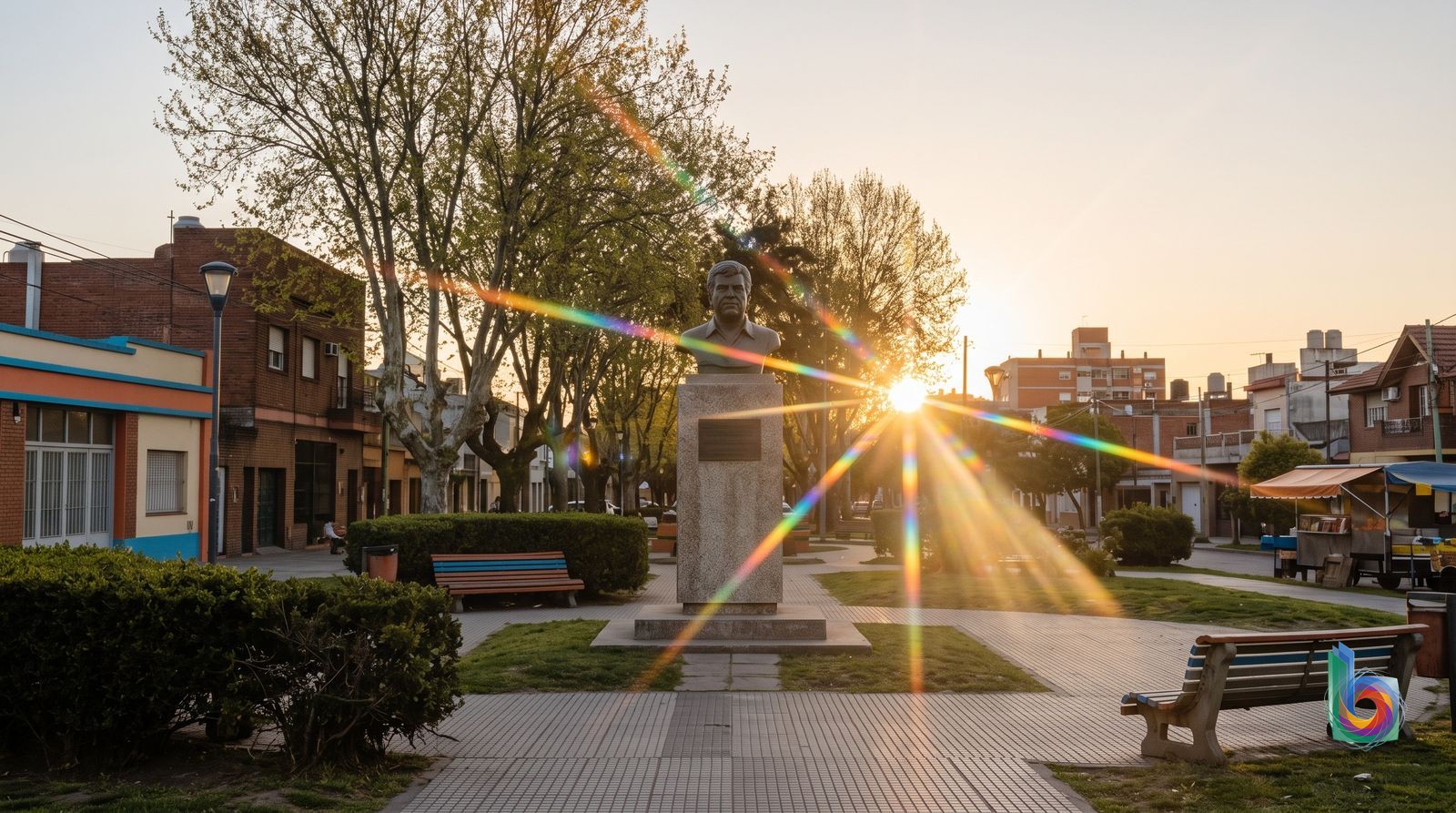
Lomas de Zamora Municipal Park
1.5 h
This is the city's most useful large green escape rather than a destination demanding a long detour. Use it for a relaxed walk, people-watching, or a pause between central Lomas stops.
Lomas de Zamora is a substantial, lived-in southern suburb of Greater Buenos Aires: the seat of its own partido, with roughly 112,000 people in the city proper, commuter-rail links and a busy commercial center rather than a sightseeing core. The trap is treating it as either merely a stop on the way into Buenos Aires or as interchangeable with leafy Adrogué next door. Lomas is more urban, denser and more everyday; Adrogué, in neighboring Almirante Brown, is the deliberately quiet architectural detour of old villas, trees and radial squares. Come to understand the south-of-the-capital conurbation, eat and linger locally, or pair Lomas with Adrogué—not expecting a miniature Buenos Aires packed with headline monuments.
Think in stations along the southbound rail spine: Constitución in Buenos Aires, then Banfield, Lomas de Zamora, Temperley and Adrogué farther south. Lomas de Zamora is the urban center; Temperley is the important rail junction; Adrogué is the greener, slower detour southeast of it. Within Adrogué, Plaza Brown is the anchor, with diagonal streets and smaller squares radiating from it; the station and Plaza San Martín mark the commercial edge.
There are not enough major ticketed sights here to justify a checklist day. Give Lomas itself a few unhurried hours—center, station area and local streets—or make it a half-day paired with Adrogué, where the reward is a slow walk through the squares and villa-lined streets. A full day only makes sense if you add Glew’s Santa Ana Chapel and the Soldi connection, or if you are deliberately exploring the southern suburbs; rail and traffic can make short distances take longer than they look.
11.5 h
This is the city's most useful large green escape rather than a destination demanding a long detour. Use it for a relaxed walk, people-watching, or a pause between central Lomas stops.
 2
40 min
This is the strongest art-and-architecture excursion in the wider area: its frescoes were painted by Raúl Soldi over 23 summers and turn a modest chapel into a genuinely memorable stop. Pair it with the Soldi Foundation in Glew, and confirm access around religious services.
 3
1 h
The foundation adds the essential second half to a visit to Santa Ana Chapel, with works Raúl Soldi donated during his lifetime. It is a worthwhile focused art stop rather than a large museum, so build the Glew outing around both sites.
 4
30 min
Plaza Brown is the natural orientation point for Adrogué's distinctive civic center, with the town hall, Saint Gabriel church, and Colegio del Carmen facing it. Use it as the start of a walk along the diagonals and toward the historic residential streets.
1 h
Adrogué's surviving French, Italian, and English-influenced residences are the wider area's most distinctive architectural experience. Walk Seguí Street and the streets around Plaza Brown at an unhurried pace; these are private buildings, so appreciate them from public space.
9:00morning
1h 15m
 12:00
midday
Lomas Centro and Estación · 45 min
14:30afternoon
30 min
afternoon
1h
 19:00
evening
45 min

Restaurants, cafés, and late local energy.
Best forfirst-timers · foodies
Skip ifquiet · luxury
The functional heart of Lomas.
Best forfirst-timers · value
Skip ifquiet · luxury

Rail-connected, lived-in suburban center.
Best forvalue · families
Skip ifnightlife · luxury
Where to eat
December–February (summer)
Green and lively-looking, but often humid and hot, with thunderstorms possible. Late December and January bring a pronounced holiday slowdown.
Watch for Humidity, heat and storms make walking less pleasant. The late-December-to-January holiday period can mean a slower local rhythm and reduced convenience for a visitor.
Costs nothing
Safety: Walk the central streets by day, keep phones and wallets out of sight around the station and crowded Roca trains, and take a Cabify, Uber or remise rather than waiting or walking alone late at night.
Eat
Eat in Las Lomitas for the area’s strongest concentration of restaurants, cafés and evening energy; it is the obvious choice for a dinner after arriving by train, even if the scene is more polished suburban local than destination dining. Lomas Centro is better for practical daytime cafés and everyday food near the station, while Banfield offers a calmer, lived-in alternative; Adrogué is for a slower meal after a walk around its squares, not a late-night crawl.
Argentine parrilla culture: seek a proper mixed grill or asado-style dinner, ideally as a long, unhurried evening meal rather than a rushed lunch. · Milanesas—often served generously with potatoes, salad or a fried-egg-topped ‘a caballo’ variation—are a dependable everyday suburban classic. · Empanadas are the easy local meal: useful for a quick lunch, train-day snack or casual dinner with friends. · Pizza, especially Argentine-style sharing pizzas with a thick, cheese-forward profile, remains a standard informal group meal. · Café con medialunas is the essential café rhythm: breakfast or a mid-afternoon pause rather than merely takeaway fuel. · Helado is part of the evening routine, particularly after dinner; treat an ice-cream stop as a social walk, not just dessert. · In the wider Buenos Aires south, football culture and eating overlap naturally: a pre- or post-match coffee, pizza, sandwich or parrilla meal is more characteristic than a formal culinary itinerary.
Before you go
Give Lomas itself a few unhurried hours, or make it a half-day with nearby Adrogué. Allow a full day only if you are deliberately exploring the southern suburbs or adding Glew’s Santa Ana Chapel and the Raúl Soldi connection; short distances can take longer than they look.
Stay near central Lomas or Las Lomitas if your purpose is local life, visiting people, business, or evening dining there. For a first Argentina trip centered on major sights, central Buenos Aires is the stronger base: the Roca train from Constitución reaches Lomas in roughly 20–25 minutes, but avoid making late-night returns on foot around stations.
Nothing needs advance booking for Lomas’s main appeal—its streets, Plaza Grigera, cafés and commercial center are not timed attractions. Check Casa de la Cultura directly for a particular performance or exhibition, and verify opening access ahead of a Glew trip for the Santa Ana Chapel and Raúl Soldi Foundation.
Use an official airport taxi or a reputable ride-hail such as Cabify or Uber where available; agree the official taxi quote or check the app fare before leaving. From Ezeiza allow about 45–75 minutes, and from Aeroparque about 45–90 minutes, depending heavily on traffic; airport public-transport combinations are poor with luggage.
Spring (September–November) is the best all-round choice, while autumn (March–May) is nearly as good for walking, leafy streets and an Adrogué extension. Summer is green but humid, hot and storm-prone, with a holiday slowdown in late December and January; winter is quieter and workable but less rewarding for long outdoor wandering.
Do not rent a car for a short visit: congestion, difficult parking and rail crossings outweigh the benefit. Walk the central core by day, use the Roca train with a loaded SUBE card for the north–south corridor, and take a taxi, remise or ride-hail for luggage, unfamiliar local trips and late-evening returns.
Not if you want a dense list of landmark attractions. It is best for an everyday Greater Buenos Aires experience—local cafés, commercial streets, football-country atmosphere and residential architecture—paired with greener, more distinctive Adrogué rather than treated as a miniature Buenos Aires.
Ready to go?
Plan a journey to Lomas de Zamora
Start with this city already set as a chapter.
Right now
Open to travelers · ongoing protests and strikes causing roadblocks and transport disruption
Walk the central streets by day, keep phones and wallets out of sight around the station and crowded Roca trains, and take a Cabify, Uber or remise rather…
Check for your passportDestination profile
Worth knowing
Good to know


