March–May (autumn)
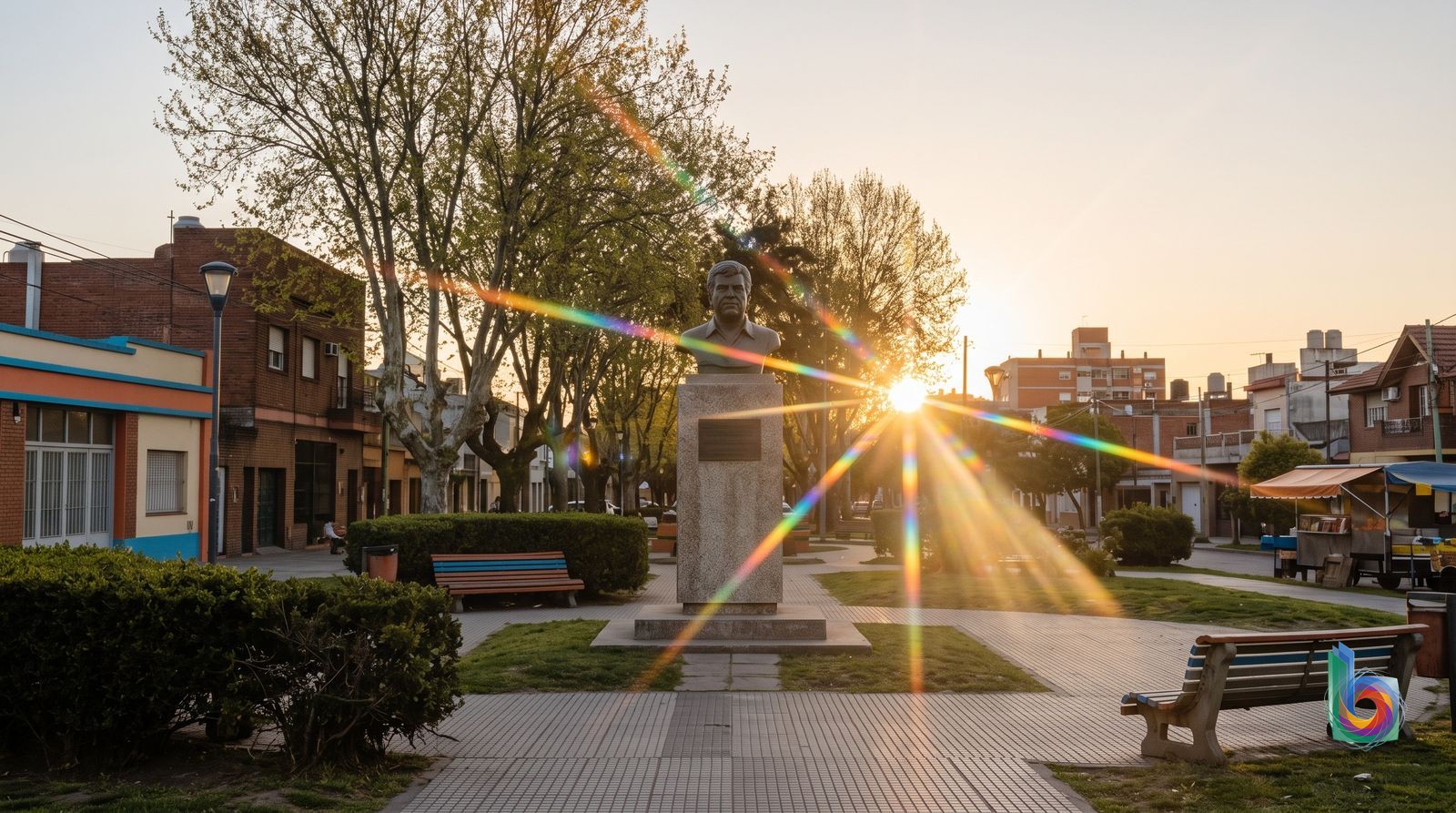
Milder walking weather after summer, with greener streets and squares still looking good. This is one of the most comfortable periods for exploring the centre, Plaza Grigera and residential streets on foot.
Weather can be changeable, and this is still a working city rather than a festival-driven destination; there is no major annual spectacle that justifies planning a trip around it.
June–August (winter)
Cooler and generally quieter, but not a sightseeing write-off. Daytime walks and local cafés remain practical with appropriate layers.
Shorter days and cooler temperatures make outdoor wandering less appealing, particularly if your main interest is leafy streets and squares.
September–November (spring)
The best all-round season: trees, squares and residential streets are at their most appealing, and temperatures are usually comfortable for walking.
Spring weather can still be variable. Lomas has no blockbuster sights, so expect an everyday Greater Buenos Aires experience rather than a packed tourist itinerary.
December–February (summer)
Green and lively-looking, but often humid and hot, with thunderstorms possible. Late December and January bring a pronounced holiday slowdown.
Humidity, heat and storms make walking less pleasant. The late-December-to-January holiday period can mean a slower local rhythm and reduced convenience for a visitor.
Casa de la Cultura exhibitions and performances · Varies through the year; check the local programme for specific dates.
Lomas has no defining annual festival that materially reshapes a trip. A specific Casa de la Cultura performance or exhibition may be worth scheduling around, but check directly for times, access and whether reservations are required.
Walking
Central Lomas: the station, Plaza Grigera, everyday shops and the commercial core; Las Lomitas is also manageable on foot for cafés and dinner.
Treat the railway station and central commercial streets as your anchors. Explore residential architecture in daylight rather than trying to walk between separate suburban centers.
Walking stops being practical beyond the central cores: Banfield, Temperley, Turdera, Llavallol and Adrogué are separate places, not adjoining neighborhoods. Around Lomas Centro/Estación, and on quieter side streets including Las Lomitas, do not make late-night walks a default.
Roca commuter train
The fast, inexpensive spine for central Buenos Aires via Constitución and for rail-linked suburban centers including Banfield, Lomas de Zamora, Temperley, Turdera, Llavallol and Adrogué.
Load a SUBE card before travel and use Lomas de Zamora station for the town center. From Constitución, southbound services toward Alejandro Korn or Glew serve the Lomas corridor; check the destination and current operating pattern before boarding.
There is no Subte/metro in Lomas, so this is suburban rail, not turn-up-and-go city metro service. It does not solve last-mile trips into dispersed residential areas, especially Villa Fiorito, and rush-hour coaches can be crowded with uneven cleanliness and security.
Colectivo (local bus)
Local gaps the train cannot cover: dispersed parts of Turdera and Llavallol, connections away from stations, and Villa Fiorito, which is reached chiefly by bus.
Use a loaded SUBE card and confirm the route locally or with a current transit app before setting out. It is best for a direct local trip, rather than a complicated transfer-heavy outing with luggage.
Routes are harder to decode than the rail corridor and travel can be slow in traffic. Villa Fiorito is not a casual train-and-walk excursion; use point-to-point transport and avoid aimless wandering, particularly after dark.
Ride-hail, taxi or local remise
The least stressful choice for unfamiliar routes, luggage, late-evening returns, or any accommodation outside central Lomas. It is the sensible link for residential Turdera and Llavallol and for Villa Fiorito if you have a specific reason to go.
Use Cabify or Uber where available, or arrange a local remise; check the app quote or agree an official taxi fare before departure. From Lomas station, take a short car rather than attempting to decipher buses with bags.
Fares vary, and traffic can turn a short-looking trip into a slow one. Choose a car rather than waiting alone late at night around the station or on empty suburban streets; Adrogué is specifically a poor choice for midnight returns from downtown Buenos Aires.
Private car / rental car
Only for travelers with a specific outlying family, business or multi-stop reason that cannot be handled by rail and taxis.
If you already have a car, use it selectively for door-to-door suburban errands and allow extra time for congestion and rail crossings.
Do not rent a car for a short general visit. Congestion, difficult parking, rail crossings and traffic make it more nuisance than freedom, especially in Lomas Centro and around the station.
Safety: Walk the central streets by day, keep phones and wallets out of sight around the station and crowded Roca trains, and take a Cabify, Uber or remise rather than waiting or walking alone late at night.
Book before you land
Adrogué and Glew: leafy villas, then Raúl Soldi’s chapel frescoesHalf day for Adrogué alone; a relaxed full day if combining it with Glew. Adrogué is a short ride south from Lomas on the Roca line toward Glew or Alejandro Korn.
This is the one nearby excursion that makes sense from Lomas rather than pretending the suburb has a deep sight list. Adrogué has the handsome, low-key residential character Lomas lacks: cobbled, tree-canopied streets, diagonal squares around Plaza Brown, and surviving French, Italian and English-style summer houses. Continue to Glew for the real payoff, the 13 frescoes Raúl Soldi painted in Santa Ana Chapel over 23 summers. Verify chapel and Fundación Soldi access before setting out; this is not a high-frequency tourist operation.
Central Buenos Aires (CABA): choose one neighborhood, not a greatest-hits sprintFull day; allow roughly 75–90 minutes door to door each way once the local trip, train wait and onward transfer are included.
Lomas is part of Greater Buenos Aires, but it is not Buenos Aires proper—and the capital’s museums, architecture, food and nightlife are on another level. Go for a focused day: San Telmo and Plaza de Mayo; Recoleta; or the Teatro Colón/Obelisco axis. Do not try to add La Boca, Palermo and Recoleta in one day; the city is too spread out and the transfer time eats it. The Roca train from Lomas de Zamora to Constitución is the practical backbone, then the Subte or a walk.
La PlataFull day. Expect about 1.5–2 hours each way by road or via Buenos Aires connections, depending heavily on traffic and the chosen service.
A better architectural and museum day than spending another full day in Lomas: La Plata has an intentional planned-city grid, broad diagonals, the vast neo-Gothic cathedral and serious university-linked cultural institutions. It is not a casual hop from Lomas, so go only if you want a full, structured day rather than a café outing.
Tigre DeltaLong full day; budget around 2–2.5 hours each way with rail connections through central/northern Buenos Aires, plus time for a boat outing.
Go when you want water, boats and a change of landscape rather than another southern-suburb center. Tigre’s delta navigation is genuinely different from Lomas and from central Buenos Aires. The downside is logistics: from Lomas it is cross-metropolitan travel, and weekend crowds can make it feel more amusement-zone than escape.
Researched Nov 18, 2026