Visas & entry
Japan grants visa-free short stays (usually up to 90 days) to passport holders from the US, Canada, UK, EU/EEA countries, Australia, New Zealand and many other countries; other nationalities may need a visa or be eligible for Japan’s eVisa. Rules, permitted stay and onward-ticket requirements vary by passport, so verify with Japan’s embassy or official eVisa site before booking.
Getting in
- Kansai International Airport, Osaka: The main international gateway for Kyoto. Airport trains and buses reach Kyoto Station in roughly 75–100 minutes; use it for almost all long-haul arrivals.
- Osaka Itami Airport: Best for domestic flights and some regional connections. Airport buses reach Kyoto Station in about 50–60 minutes, usually more simply than routing through central Osaka.
- Kyoto Station: Kyoto has no airport; this is the real rail gateway. The Tokaido Shinkansen links Tokyo, Nagoya and western Japan, while JR and private lines fan out to Uji, Fushimi, Arashiyama and the north coast.
- Amanohashidate Station / Miyazu: The practical northern-Kyoto gateway if the Tango coast is a priority. It is about two hours from Kyoto or Osaka by limited express/bus connections and is the sensible base for onward buses to Ine.
Getting around
In Kyoto City, use rail and subway whenever geography allows; buses are useful but slow and painfully crowded around Higashiyama, Arashiyama and peak foliage/cherry-blossom periods. Base a first visit in Kyoto City for Uji, Fushimi and Arashiyama, but treat Amanohashidate/Miyazu and Ine as an overnight region: Kyoto–Amanohashidate takes roughly two hours, and Ine adds a local-bus leg. A rental car is a liability in central Kyoto but worthwhile for Miyama, Wazuka and the Tango coast; collect it only when leaving the city.
Money
The currency is the Japanese yen (¥). Cards work widely in Kyoto City, hotels and larger restaurants, but carry cash for rural buses, small eateries, temple admissions and independent coastal businesses; IC transit cards are useful for everyday local transport. Tipping is not expected and can cause confusion—pay the stated price.
Daily budget · JPY (¥), per person per day; excludes international flights and assumes two people sharing a room. Solo travellers should budget substantially more for accommodation.
- Value
- ¥13,000–¥22,000
- Mid-range
- ¥25,000–¥45,000
- High-end
- ¥70,000–¥150,000+
- Value: hostel, simple private room or business hotel; convenience-store breakfast and casual noodle/set-meal dining; local transit and a few paid sights.
- Mid-range: a well-located 3–4-star hotel, proper lunches and dinners, occasional taxis, temple admissions and one booked experience or notably good meal.
- High-end: design or luxury hotels, quality ryokan, kaiseki, serious sushi or wagyu, private guides/taxis and premium seasonal dining.
- Accommodation is the main variable. Kyoto City’s sampled major-hotel average was ¥31,296 per room per night in April 2026 before taxes; cherry-blossom weeks and mid-to-late November can cost far more. Winter outside New Year and the hottest summer dates are usually better value.
- Coastal ryokan can be expensive in winter crab season because dinner-and-breakfast packages drive the rate. A casual meal is roughly ¥1,000–¥2,500; a considered Kyoto dinner commonly ¥5,000–¥12,000, with kaiseki and crab meals rising quickly beyond that.
- Kyoto Station is generally the practical-value hotel zone; Kawaramachi and Gion command a premium. Rural properties can look cheap until dinner, taxis and sparse local transport are added. North-coast trains, private rail segments and taxis make Amanohashidate/Ine materially costlier than staying within Kyoto City.
Eating well
- Reserve destination kaiseki, good sushi and ryokan dinners well ahead in cherry-blossom and foliage periods; Ine’s small number of rooms and seafood-focused stays fill especially early.
- Use Kyoto City for ambitious dining, but eat coastal seafood on the coast rather than trying to reproduce it in town.
- A casual meal is typically ¥1,000–2,500; a thoughtful Kyoto dinner often runs ¥5,000–12,000, while kaiseki and crab-ryokan packages rise quickly.
- Do not confuse matcha desserts with tea culture: go to Uji or Wazuka for tastings, tea fields and producers.
- For summer kawadoko dining in Kibune or Takao, reserve and check weather/cancellation terms; these meals are about the setting as much as the food.
- Around New Year, confirm restaurant and rural-lodging opening dates directly; independent places often close irregularly.
Book before you land
Nintendo Museum, Uji — timed entry is allocated through advance booking/lottery periods and is not a walk-up attraction. · Sagano Romantic Train — reserve ahead for cherry-blossom and autumn-foliage dates; popular departures sell out. · Gion Matsuri reserved procession seating — only if you specifically want seats for the July 17 or July 24 processions; public viewing is free, but official seats sell in advance.
- Do not base yourself in Kyoto City and casually day-trip to both Amanohashidate and Ine. Stay in Amanohashidate/Miyazu or Ine if the coast matters; Ine is about three hours one way from Kyoto by public transport.
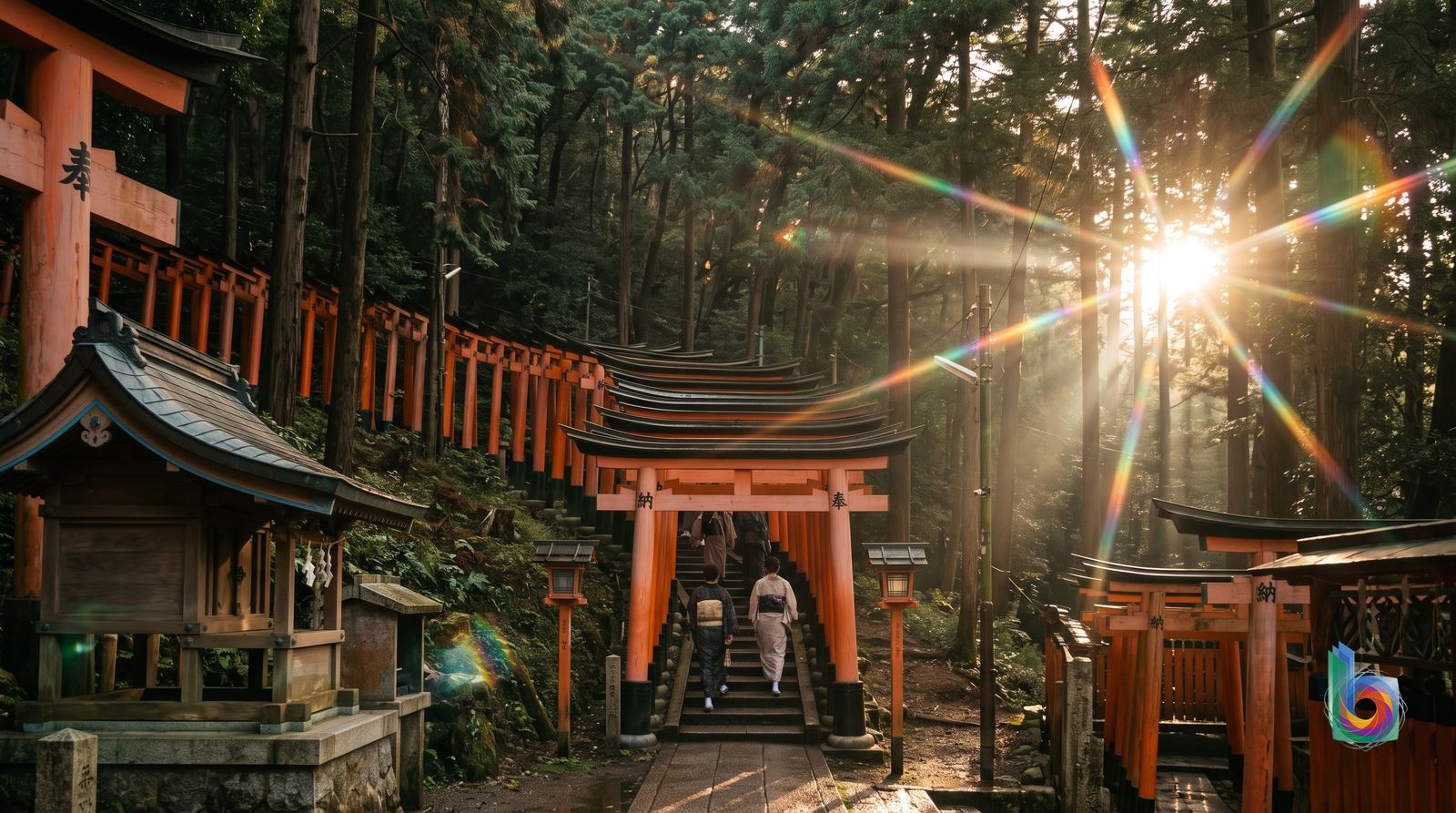
- Kyoto’s famous districts are best early. Reach Fushimi Inari, Arashiyama and Higashiyama before 8 a.m.; midday buses and narrow lanes are the weak point of the experience.
- Use Kyoto City as the no-car base. Pick up a rental car only for Miyama, Wazuka or the northern coast, where buses are thin and finish early; return it before re-entering Kyoto or Osaka.
- On rural buses, check the boarding/payment system: many use numbered tickets and fare-by-distance, unlike Kyoto City’s simpler urban services. Keep cash or an accepted IC card available.
- Book coastal ryokan and Ine lodging early, especially in crab season and weekends. Rooms are few, and dinner-inclusive stays are often the practical choice because evening dining options are limited.
- Respect residential areas: Gion, Miyama and Ine are living communities, not open-air sets. Do not block lanes, enter private property, or photograph people and homes intrusively.
Entry rules change — verify visa requirements for your passport before booking this region.
Season by season
March–May
March is cool, cherry blossoms usually arrive from late March into early April, and May is warm and green; blossom weeks and late-April/early-May Golden Week bring major hotel, bus and temple crowding.
cherry blossomsgardens and fresh green maplesUji tea countrycomfortable city walking in late April and May
Do not plan around an exact full-bloom date; central Kyoto accommodation needs booking well ahead, and Golden Week sharply raises domestic demand.
June–August
June is rainy-season weather, while July and August are hot and humid in Kyoto’s basin, commonly reaching 32–33°C; the Tango coast is a little breezier and works better for a beach or seafood overnight.
Gion Matsuricoastal stays in Amanohashidate or Ineearly-morning sightseeingriverside dining in Kibune or Takao
All-day temple-hopping is miserable in the heat; start early, use air-conditioned breaks, and expect July lodging pressure in central Kyoto.
September–November
September can still be hot and wet, October is usually the sweet spot, and foliage generally begins from late October, peaks around mid-November and fades by late November; Takao, Ohara and higher ground colour earlier than central Kyoto.
comfortable all-round travel in Octoberautumn foliagewalking in mountain-edge districtscity-and-coast itineraries
November is as crowded and expensive as blossom season in the headline districts; Arashiyama, Higashiyama and evening temple illuminations require crowd tolerance and advance hotel planning.
December–February
Kyoto City is cold but often clear and dry, with January averaging roughly 9°C by day and 1°C at night; the northern coast and uplands are snowier, with possible road disruption and thinner rural mobility.
better-value Kyoto City hotelstemples without peak-season crowdsryokan and food-focused stayswinter crab on the Tango coast
New Year brings irregular closures at small restaurants, rural lodgings and attractions, while Miyama and the northern prefecture can be difficult without a car or tightly planned transport.
Events worth planning around
Gion Matsuri · July; major float processions are held on July 17 and July 24. · Central Kyoto City, especially the Shijo–Karasuma area.
Street closures, dense crowds and higher central-Kyoto lodging demand reshape the month. The processions can be watched free from public areas, but official reserved seating sells in advance.
Miyama Kayabuki no Sato Snow Lantern Festival · Usually late January to early February. · Miyama Kayabuki no Sato, Nantan.
It drives up demand for scarce local lodging and transport. Go only with a car or a carefully timed bus plan; it is cold, crowded and not a casual Kyoto City side trip.
What to eat
Eat by region rather than chasing a generic “Kyoto meal”: Kyoto City for refined seasonal cooking, tofu and Buddhist-influenced dishes; Uji and Wazuka for serious tea; Fushimi for sake; Tanba for mountain produce; and the Tango coast for seafood. Book a proper dinner when it matters, but do not spend every meal on kaiseki—casual noodle shops, set meals and markets give the region more range.
Kaiseki: multi-course, highly seasonal Kyoto cookingShōjin ryōri: Buddhist vegetarian temple cuisineYudōfu and tofu dishesUji matcha, including tea tastings and matcha sweetsFushimi sakeTanba produce and gameSea of Japan seafood, especially seasonal crabKawadoko riverside dining in the Kyoto mountain valleys in summerMaizuru navy curry and nikujaga
Kyoto City: Kaiseki · Shōjin ryōri · Yudōfu and tofu cuisine · Seasonal vegetable-led cooking · Nishiki Market snacks and ingredients
Uji and Wazuka: Uji matcha · Tea tastings and farm visits · Matcha sweets · High-grade green tea
Fushimi: Fushimi sake · Sake tastings and brewery-area drinking
Tanba and Fukuchiyama: Tanba mountain produce · Game · Countryside restaurants using local seasonal ingredients
Amanohashidate, Ine and the Tango coast: Sea of Japan seafood · Crab in season · Fresh fish and seafood-focused ryokan dinners
Maizuru: Seafood · Navy curry · Nikujaga
Kibune and Takao: Summer kawadoko riverside dining
Researched Oct 18, 2026