 1
1Kyoto City
Base · 3–5 days
The essential first base for Higashiyama, Gion, Nishiki, Nijo Castle, Nanzen-ji and Kyoto’s serious food scene. Treat the famous districts as early-morning territory; by midday, the prettiest lanes are often the least peaceful.
first-timersculture-focused travelersfoodies
 2
2Arashiyama and Sagano
Short stop · 1 day
An easy western-Kyoto break for Tenryu-ji, river views, hillside gardens and the Hozu gorge. The bamboo grove is worth seeing only early; the quieter temple gardens are the better reason to come.
first-timersfamiliesphotographers
 3
3Fushimi and Uji
Short stop · 1 day
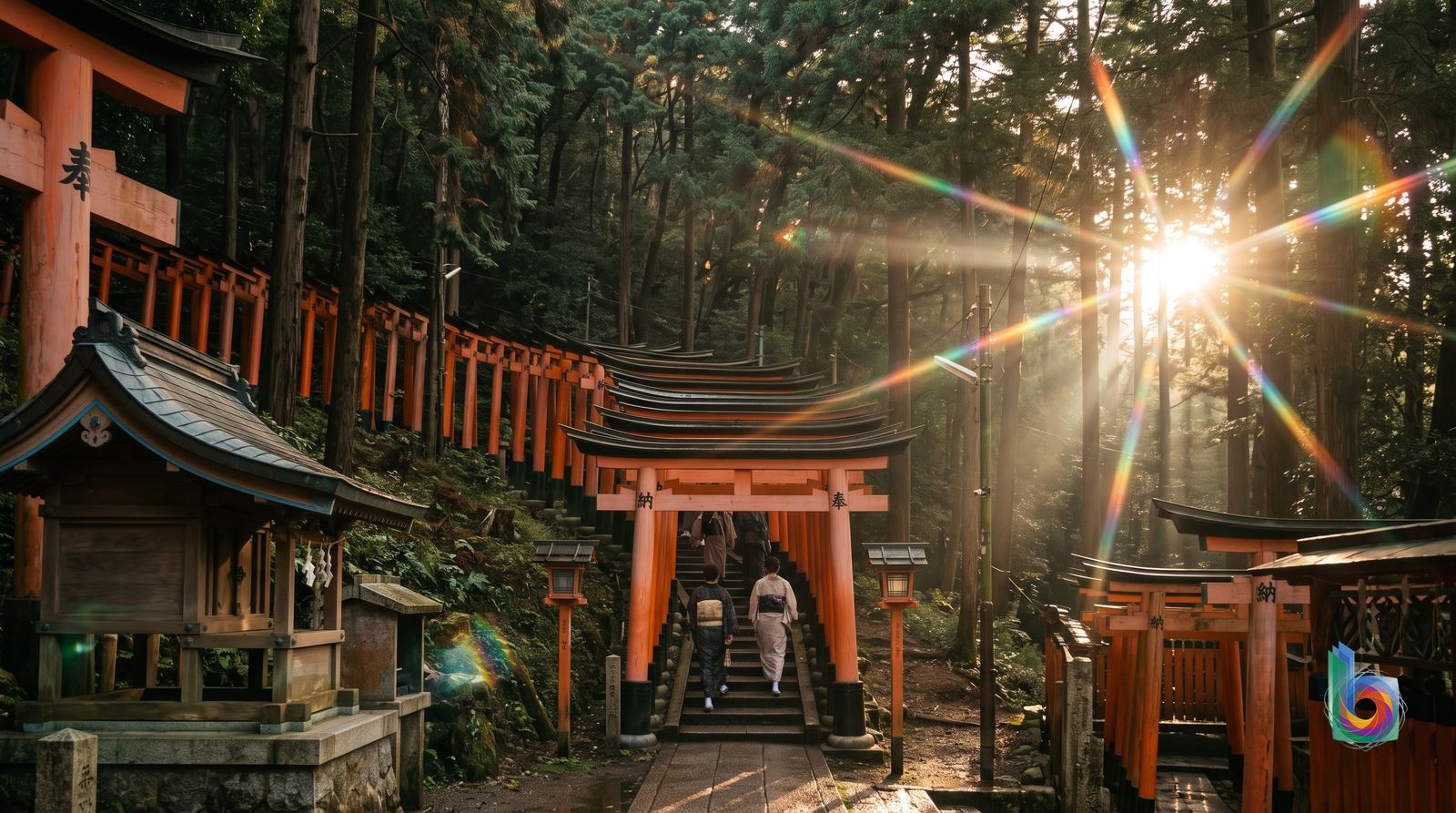
Pair Fushimi Inari’s torii trails and sake district with Uji’s tea houses, Byodo-in and riverside pace. Go to Inari at dawn or evening, then give Uji the unhurried daytime it deserves.
first-timerstea enthusiastsfoodies
 4
4Ohara, Kibune, Kurama and Takao
Kyoto’s mountain-edge escapes offer cedar hills, temple villages and a real break from central-city crowds. Pick one corridor for a day rather than trying to stitch them together with buses.
walkerstemple loversautumn travelers
 5
5Wazuka
Short stop · 1 day
The place to see Uji tea as an agricultural landscape rather than a dessert flavor: steep tea fields, farm visits and tastings. It is best with a car, taxi or planned tour; improvised public transport makes it more trouble than revelation.
tea enthusiastscyclistsrepeat visitors
 6
6Kameoka and the Hozu River
Base · 2 days
A rural basin west of Kyoto that works best alongside Arashiyama, especially for the Hozugawa boat trip and Tanba produce. It is a worthwhile overnight only if a ryokan or boat-and-train combination is the point.
familiesscenic-train fansfoodies
 7
7Miyama Kayabuki no Sato
Base · 2 days
A mountain farming settlement of thatched houses and quiet lanes, best approached as an overnight rural stay rather than a rushed photo stop. It rewards travelers who can accept sparse buses—or who have a car.
rural-stay fansphotographersfamilies
 8
8Amanohashidate and Miyazu
Base · 2–3 days
The practical northern-coast base: walk or cycle the pine sandbar, take the viewpoint, then settle in for seafood. The sandbar alone is not a full-day event, but it makes an excellent base for Ine and the Tango coast.
scenic travelerscouplesfirst-time regional explorers
 9
9Ine
Base · 1–2 days
A sheltered fishing bay lined with funaya boat houses, where seafood and an unhurried overnight matter as much as the photographs. It is tiny and quiet, so stay only if that is exactly what you want.
couplesphotographersseafood lovers
 10
10Maizuru
Short stop · 1 day
A working port with naval history, red-brick warehouses and strong Sea of Japan seafood. Come for the port’s specific character and food, not for a polished resort-town version of coastal Kyoto.
history enthusiastsseafood loversroad-trippers
 11
11Fukuchiyama and the Tanba Interior
A useful inland rail hub with a castle and good Tanba mountain produce, best used to break up a northern journey. One night is generally enough unless a particular inn, meal or onward connection makes it useful.
rail travelersfood-focused travelersrepeat visitors
Sample routes
Kyoto essentials
5 daysKyoto City (3 days) → Arashiyama and Sagano (1 day) → Fushimi and Uji (1 day)
For a first visit that stays grounded in Kyoto rather than wasting time on long-distance prefectural detours. Use Kyoto City for the core temples, food and old districts; give Arashiyama an early start; do Fushimi Inari at dawn and spend the rest of that day in Uji.
Plan this routeClassic city and coast
8 daysKyoto City (3 days) → Arashiyama and Sagano (1 day) → Fushimi and Uji (1 day) → Amanohashidate and Miyazu (2 days) → Ine (1 day)
The sensible first prefecture-wide trip: take in Kyoto properly, then make one hotel move north. Amanohashidate is the practical coastal base; Ine deserves a full day or overnight rather than being squeezed into a Kyoto City day trip.
Plan this routeTea, city and Sea of Japan food
11 daysKyoto City (4 days) → Fushimi and Uji (1 day) → Wazuka (1 day) → Amanohashidate and Miyazu (2 days) → Ine (2 days) → Maizuru (1 day)
For food-led travellers who actually care about tea and seafood. Uji gives tea culture and easy access; Wazuka is the agricultural counterpoint, best with a planned car, taxi or tour. Finish slowly on the coast rather than treating Ine as a photo stop.
Plan this routeRural Kyoto without rushing it
14 daysKyoto City (5 days) → Miyama Kayabuki no Sato (2 days) → Kameoka and the Hozu River (2 days) → Amanohashidate and Miyazu (3 days) → Ine (2 days)
For repeat visitors who want mountain villages and the Tango coast to carry equal weight with Kyoto’s headline sights. Pick up a car when leaving Kyoto City if possible; it helps enormously in Miyama and on the coast, but is more nuisance than asset in central Kyoto.
Plan this route