How many days do I need for a first trip to Berlin?
Give Berlin at least four full days. Plan no more than two major indoor sights and one substantial outdoor/history walk per day: the city is flat and well connected, but Museum Island, Wall sites, Charlottenburg and Friedrichshain are much farther apart than they look.
Where should I stay on a first visit to Berlin?
Stay inside or close to the S-Bahn Ring and choose by priorities: Mitte for headline sights, Kreuzberg or Neukölln for restaurants and bars, Friedrichshain for East Side Gallery and nightlife, Prenzlauer Berg for a calmer polished residential base, or Charlottenburg for the old West. Do not choose a hotel solely because it says “Berlin” or even names one of these districts—check its walk to an S- or U-Bahn station.
What should I reserve before I arrive?
Reserve the free Reichstag dome as soon as dates are firm; advance registration is required, and weekends, holidays and summer fill earlier. Prebook the Fernsehturm for sunset, weekends or peak dates, and reserve a timed Neues Museum or other Museum Island entry only if that specific collection is non-negotiable.
What is the best way to get from Berlin Brandenburg Airport to the city?
Take FEX or RE20 from the station beneath Terminal 1 to Berlin Hauptbahnhof; the journey is about 23 minutes, and Terminal 2 is a short walk away. Buy an ABC ticket before boarding because BER is in zone C—an AB ticket is not valid; a private transfer is rarely worthwhile unless luggage or mobility makes rail impractical.
When is the best time to visit Berlin?
May–June and September are the best all-round months for a first visit, with useful daylight and good conditions for walking, parks and outdoor cafés. July–August is busier, pricier for hotels and sometimes hot; winter is better for museums, galleries and nightlife than for an outdoor-led first trip.
Should I rent a car or rely on public transport in Berlin?
Rely on BVG and DB public transport: one integrated ticket covers U-Bahn, S-Bahn, trams, buses and local regional trains, and the BVG journey planner is the essential tool. Do not rent a car—traffic and parking are poor—and use taxis only for late-night, luggage-heavy or awkward final legs.
How should I structure sightseeing days so I do not spend them on trains?
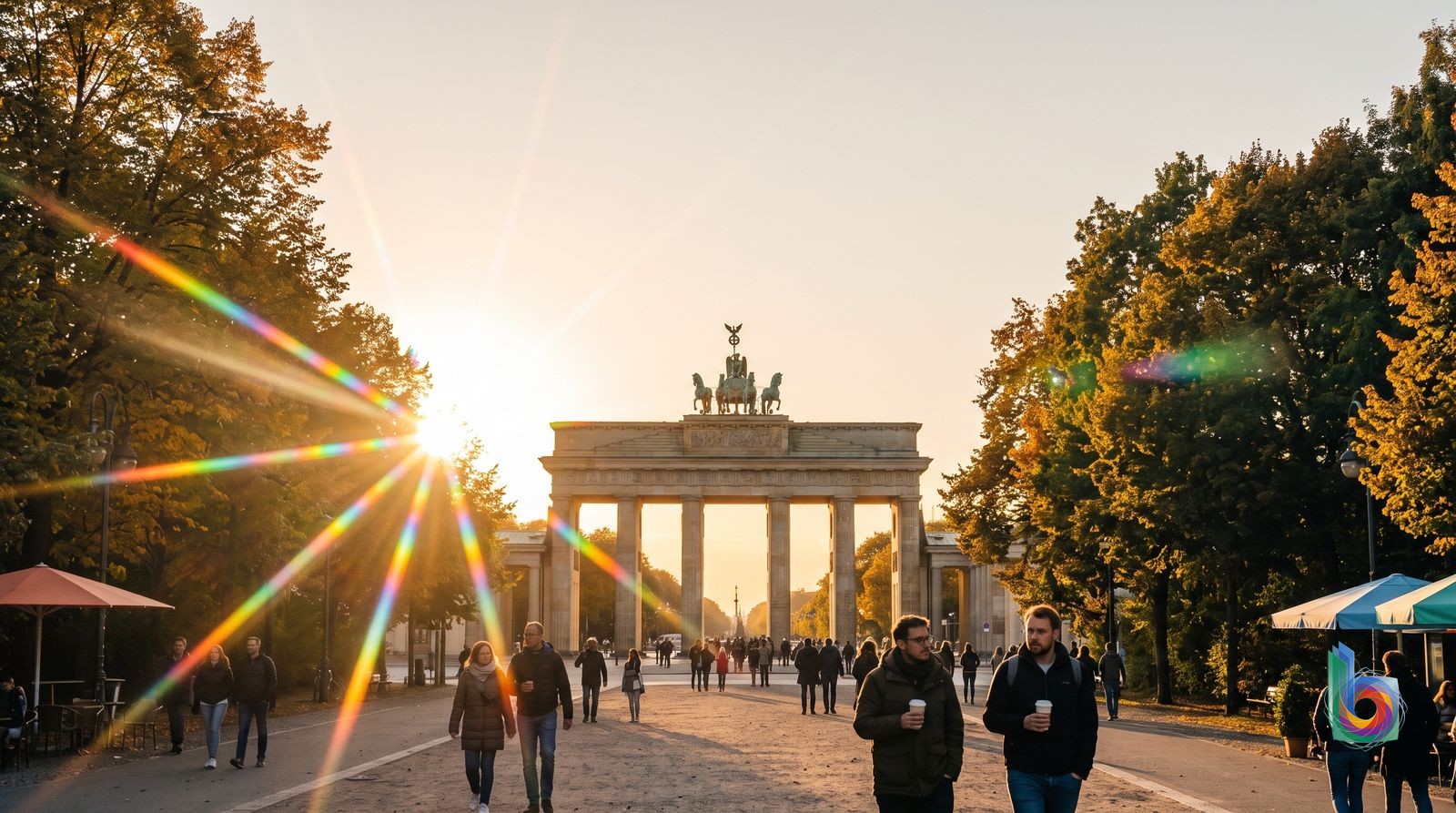
Build each day around two or three nearby clusters, then use transit between them—for example, central Mitte, the Brandenburg Gate–Reichstag–Tiergarten area, or an eastern day around the Wall and Friedrichshain. Do not try to walk Museum Island, Charlottenburg, Kreuzberg and East Side Gallery in one circuit; being inside the Ring does not make Berlin compact.
Are there dates or areas I should avoid if I want a quiet stay?
Avoid booking around Oranienstraße and Mariannenplatz in Kreuzberg for the night of May 1 unless you actively want festivities, demonstrations and possible disruption; parts of Friedrichshain and Prenzlauer Berg can also be affected. During late-November-to-December Christmas-market season, central areas are busier and weekend hotel availability and prices worsen.

 1


