Eat
How to eat here
Berlin eats best by neighbourhood rather than around monuments: make Kreuzberg and northern Neukölln your main hunting ground for Turkish, Middle Eastern and globally minded casual food, with Schöneberg, Prenzlauer Berg and increasingly Wedding strong for cafés, bakeries and independent restaurants. Friedrichshain is better for bars and late-night energy than for the city’s most varied daytime eating; the landmark zones of Mitte, Alexanderplatz, Potsdamer Platz and Ku’damm are convenient but notably uneven and often overpriced. Berlin’s great strength is international, informal eating—not refined versions of a single German regional cuisine.
Döner kebab: Berlin’s essential Turkish-German street meal. Seek a busy, turnover-heavy neighbourhood shop rather than treating it as a generic late-night snack. · Currywurst: sliced sausage with curried ketchup, usually eaten standing at an Imbiss with fries or a bread roll. It is an icon, not necessarily Berlin’s best meal. · Turkish breakfast and bakery culture: simit, börek, gözleme and generous breakfast spreads are especially natural in Kreuzberg and Neukölln. · Berlin-style casual German food: Bouletten (meat patties), Königsberger Klopse, Eisbein and potato-heavy sides are worth trying once, though the city’s traditional cooking is less compelling than its immigrant food scene. · Pfannkuchen: what much of Germany calls a Berliner—jam-filled doughnuts, especially common around carnival season. In Berlin, ask for a Pfannkuchen, not a Berliner. · Späti culture: a late-evening beer, soft drink or snack from a corner shop is a Berlin habit, best understood as part of the street-life rhythm rather than a destination meal. · Third-wave coffee, sourdough bakeries and vegetarian/vegan food: no longer niche here; Prenzlauer Berg, Kreuzberg, Neukölln and Schöneberg are particularly reliable areas to browse.
- For the strongest concentration of varied casual food, walk Kreuzberg—especially its canal-side and SO36 areas—or northern Neukölln around Hermannplatz, Weserstraße and the Landwehr Canal. Expect more noise, crowds and rougher edges than in polished Prenzlauer Berg or Schöneberg.
- Use Prenzlauer Berg for an unhurried breakfast, bakery stop or wine bar; Schöneberg for a more mature, neighbourhood-led dinner. Wedding is worth exploring for multicultural, better-value eating if you have time, but is not the efficient choice on a first, short visit.
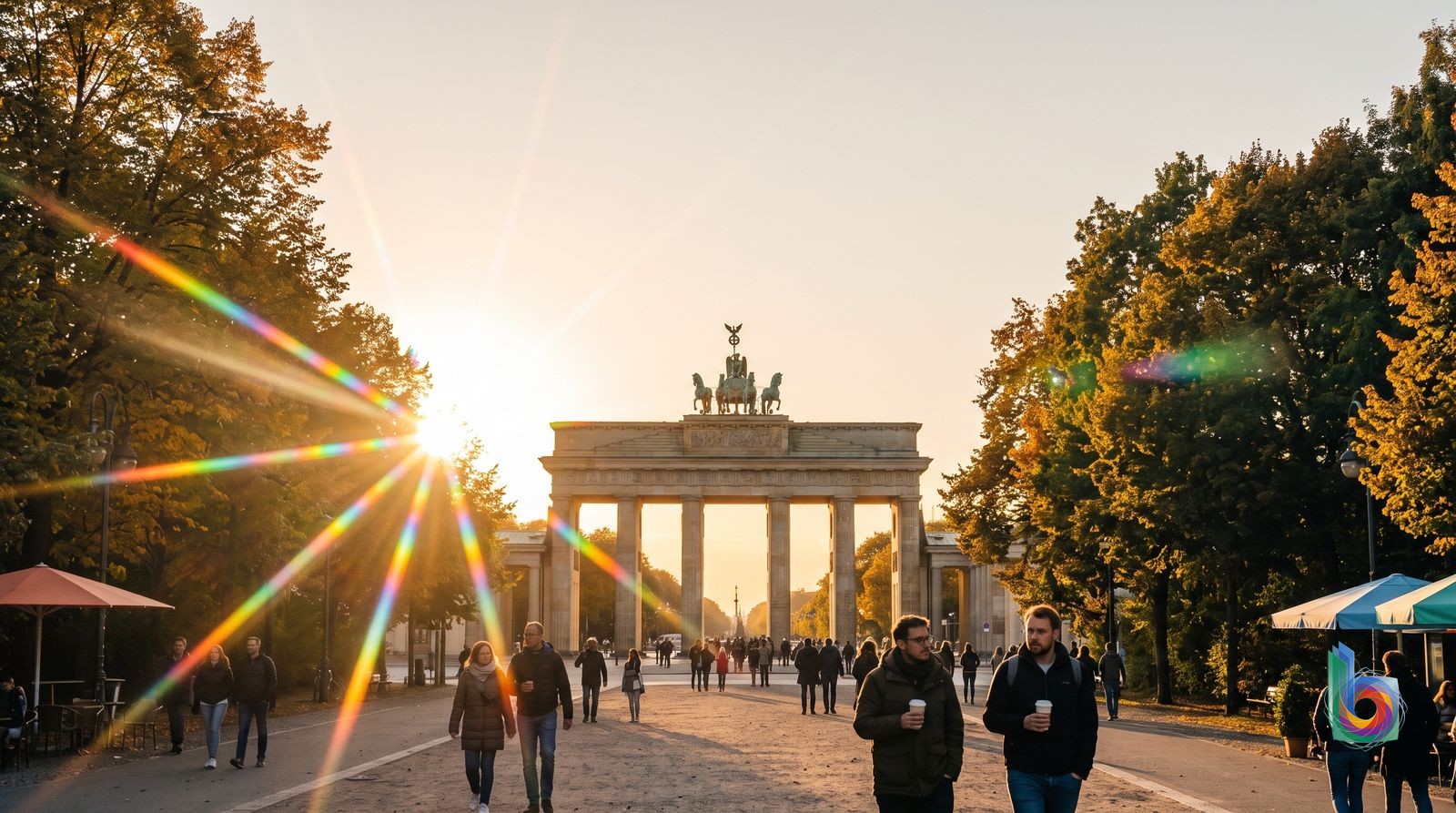
- Do not choose solely by location around Brandenburg Gate, Museum Island, Alexanderplatz, Potsdamer Platz or Ku’damm: the immediate restaurant offer is often tourist- or retail-led. Walk a few streets away or eat in a destination district after sightseeing.
- Book ahead for sought-after dinner spots, particularly Thursday through Saturday; Berlin remains casual, but the better small restaurants can fill. For a döner, bakery, Imbiss or most daytime cafés, queues and walk-ins are normal.
- Markthalle Neun in Kreuzberg is a useful food-market stop, while the Turkish Market by Maybachufer is a good browse for produce and snacks when operating; confirm current days and hours before building a plan around either.
- Berlin dinner is less formal than in many capitals: early evening works well, but restaurants and bars often become livelier later. Check the kitchen closing time rather than assuming a late arrival will be fed, especially on quieter nights or outside the inner districts. रविवार? No—on Sundays, many shops close under Berlin’s usual rules, so do not rely on ordinary retail for picnic supplies; cafés, restaurants and some markets operate on their own schedules. പരിശോധിക്കുക current hours.