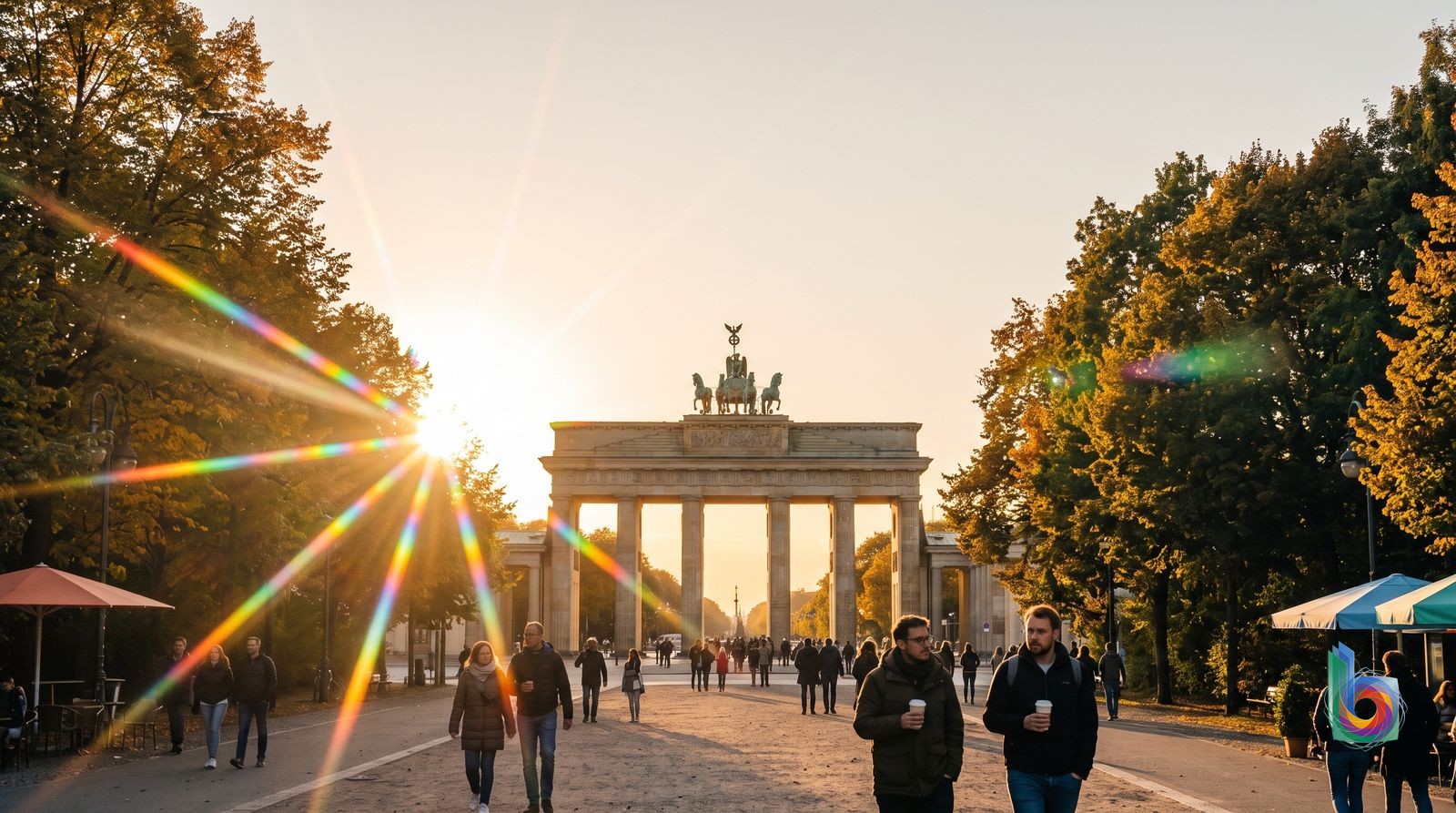
First visit? Stay in Historic Mitte & Museum Island.
Berlin’s strongest concentration of established upscale and mid-range hotels sits around Zoo station and Ku’damm. Choose it for classic service, shopping and a calmer evening than Mitte; accept that Museum Island is a ride away.
Moabit can offer more space and a more residential feel than central tourist hubs while staying close to Hauptbahnhof and U9 at Turmstraße. It is a sensible value choice, not a picturesque one; check the precise walk from the hotel to transit.
Leafy streets, cafés, bakeries and a settled residential rhythm make Prenzlauer Berg easier with children than bar-heavy Kreuzberg or Friedrichshain. U2 and trams make sightseeing manageable, though the major sights are not at the doorstep.
Kreuzberg has the better all-round mix of bars, independent food and daytime wandering, with easier access to Mitte than Neukölln. Book away from Oranienstraße and Kottbusser Tor if sleep matters; those areas are genuinely noisy and rougher late at night.
Schöneberg is central enough to be useful but feels lived-in, mature and less relentlessly visitor-facing than Mitte. Stay near a U-Bahn station because the district is spread out; it is not the choice for walking to Museum Island.
Alexanderplatz is the most efficient all-direction transport base in this list, combining U2, U5 and U8 with S-Bahn and regional services. It trades atmosphere for logistics: the square is busy, hard-edged and less pleasant around the station late at night.
For a repeat visit, northern Neukölln offers international casual food, canal-side wandering and late bars without pretending to be polished. Use U8, U7 and the Ringbahn to get around, but choose the exact location carefully: the district is large and many streets are loud.
Avoid sleeping near The immediate blocks around Warschauer Straße station: They are useful for Friedrichshain nightlife and the East Side Gallery, but the station approaches can feel sketchy late at night and nearby bar streets bring noise, crowds and short-stay party traffic.
Avoid sleeping near Kottbusser Tor and the loudest stretches of Oranienstraße, Kreuzberg: Excellent for visiting and going out, poor for light sleepers. Street noise, late-night crowds and a scruffier atmosphere make an otherwise central district a risky hotel choice unless the room faces a quiet courtyard.
Avoid sleeping near The immediate Alexanderplatz station frontage: The transport is superb, but sleeping directly on the square means crowds, chain-heavy tourist dining and a less comfortable late-night station environment. Stay a few blocks away if choosing the area.
Avoid sleeping near Potsdamer Platz’s corporate hotel cluster: Convenient for the park and major western-central sights, but often sterile after office hours, with characterless nearby dining and shopping. It works for a business-style hotel stay, not for travelers wanting a neighbourhood outside the lobby.
Avoid sleeping near Remote Treptow or Köpenick addresses sold simply as “Berlin”: Low rates can conceal long daily journeys to Museum Island, City West and nightlife. These areas suit a slower, longer visit, not a first-time weekend built around central sights.
The neighborhoods
Pick the areas you want to be around — the hotels and tables below narrow to them.
Berlin’s essential history-and-museums core
This is the compact, sight-heavy Berlin of Museum Island, Unter den Linden, Brandenburg Gate and the Holocaust Memorial. It is not a particularly local-feeling neighbourhood, but it is the least complicated first base: you can walk a serious amount of the headline itinerary and return easily between sights.
Vs. others: Pick Historic Mitte & Museum Island over Kreuzberg if landmarks and museums matter most; pick Kreuzberg if you want bars, independent food and a more lived-in evening scene.
Best for: first-timers, families, luxury, short stays, museum lovers
Much of it is built around visitors, government and offices rather than neighbourhood life. · Restaurant quality is uneven near the principal sights; do not assume a terrace beside a landmark is a good meal. · It can feel quiet after business hours away from the tourist strips.
See hotels in Historic Mitte & Museum IslandMaximum connections, minimum romance
Alexanderplatz is practical rather than charming: a huge square, TV Tower, East German-scale buildings, shopping and dense hotel stock. Nikolaiviertel beside it supplies a reconstructed old-town stroll, but this is a convenient transport hub, not Berlin at its most atmospheric.
Vs. others: Pick Alexanderplatz & Nikolaiviertel over Historic Mitte & Museum Island if fast connections and usually more functional hotel choices matter; pick Historic Mitte if you want to step outside into Berlin’s grand historic core.
Best for: first-timers, value, rail-day-trips, solo travelers, short stays
The square is busy, exposed and architecturally hard-edged. · The immediate restaurant mix leans chain-heavy and tourist-oriented. · Keep bags close in crowds and around the station; large stations, including Alexanderplatz, are less pleasant late at night.
See hotels in Alexanderplatz & NikolaiviertelLeafy cafés, handsome streets, family rhythm
Prenzlauer Berg has evolved from bohemian East Berlin into a polished, expensive residential district of renovated buildings, prams, bakeries, cafés and wine bars. It is pleasant to live and wander in, especially around Kollwitzplatz and Helmholtzplatz, but it is more settled than edgy.
Vs. others: Pick Prenzlauer Berg over Friedrichshain if you want sleep, cafés and calmer streets; pick Friedrichshain if late-night bars, clubs and East Side Gallery access matter more.
Best for: families, quiet, foodies, return-visitors, couples
Gentrification is the point here: it can feel curated and expensive rather than alternative. · It is less useful for a first trip focused on Brandenburg Gate and Museum Island. · Sunday is quiet in the ordinary Berlin way, with many shops closed.
See hotels in Prenzlauer BergCanals, counterculture, food and late nights
Kreuzberg remains one of Berlin’s most rewarding districts for a visitor who wants street life rather than monuments: Turkish and international food, canals, independent shops, bars and a strong political-cultural identity. It is not one uniform place—Bergmannkiez is polished and calmer, while SO36 around Kottbusser Tor is louder and rougher-edged.
Vs. others: Pick Kreuzberg over Neukölln if you want a more central base with canals and easier access to Mitte; pick Neukölln if you want a less polished, more nightlife-driven south-east Berlin scene.
Best for: foodies, nightlife, return-visitors, solo travelers, creative travelers
Noise is a real booking issue around Oranienstraße, Kottbusser Tor and busy bar streets. · Kottbusser Tor can feel scruffy and uncomfortable late at night; use normal big-city awareness. · Around May 1, parts of Kreuzberg—especially near Oranienstraße and Mariannenplatz—are best avoided at night because of demonstrations and crowding.
See hotels in KreuzbergEast Side Gallery, bars, clubs, bustle
Friedrichshain is the east-side answer to Kreuzberg: former-industrial, heavily gentrified, bar-rich and still associated with nightlife. The East Side Gallery and riverside draw visitors, while Simon-Dach-Straße and Boxhagener Platz offer a dense social scene; the latter can feel more like a weekend drinking zone than a secret local find.
Vs. others: Pick Friedrichshain over Kreuzberg if clubs, the East Side Gallery and an east-of-centre base appeal; pick Kreuzberg if you want more varied daytime food and easier access to the historic centre.
Best for: nightlife, younger travelers, solo travelers, return-visitors, budget-conscious travelers
Bars and short-term visitors make parts of Simon-Dach-Straße noisy and repetitive. · Warschauer Straße station and its approaches can feel sketchy late at night; keep belongings close. · Boxhagener Platz and Rigaer Straße can be affected by large May 1 crowds and occasional disorder.
See hotels in FriedrichshainUnfiltered, international, bar-heavy south-east
Northern Neukölln, especially around Weserstraße, Hermannplatz and the Landwehr Canal edge, is one of Berlin’s most international and social places to wander. It still has everyday grit alongside rapid gentrification: excellent casual food and bars, but less polish and fewer conventional sights than central Berlin.
Vs. others: Pick Neukölln over Prenzlauer Berg if you want late bars and a more mixed, less polished street scene; pick Prenzlauer Berg if you want quieter nights and a family-friendly base.
Best for: nightlife, foodies, return-visitors, budget-minded travelers, longer stays
Many streets are loud at night, particularly near popular bars. · The district is large; a listing labelled “Neukölln” may be far from the lively northern part and far from central sights. · Some visitors find the area gritty rather than charming, especially around major intersections.
See hotels in NeuköllnMature, central, comfortably lived-in
Schöneberg is an excellent compromise district: residential but not sleepy, with independent restaurants, cafés, a long-established LGBTQ+ scene around Nollendorfplatz, and handsome streets around Winterfeldtplatz. It feels more grown-up and less performatively hip than Kreuzberg or Neukölln.
Vs. others: Pick Schöneberg over Charlottenburg if you want a more neighbourhood-led, less upscale-western feel; pick Charlottenburg if Ku’damm shopping and traditional luxury hotels are priorities.
Best for: quiet, families, foodies, LGBTQ+ travelers, return-visitors
Its appeal is subtle; landmark collectors may find it insufficiently dramatic. · It is spread out, so proximity to a station matters more than the district name alone. · Most retail follows Berlin’s generally quiet Sunday pattern.
See hotels in SchönebergClassic West Berlin, shopping, established hotels
Charlottenburg is West Berlin at its most conventional: Ku’damm shopping, the Kaiser Wilhelm Memorial Church, Zoologischer Garten, established restaurants and a deep supply of mid-range and upscale hotels. West of the shopping arteries it becomes a handsome, quieter residential district, with Schloss Charlottenburg as the major historical draw.
Vs. others: Pick Charlottenburg & Ku'damm over Historic Mitte & Museum Island if you want classic hotels, shopping and a calmer west-side base; pick Mitte if Berlin’s historical sights are your daily priority.
Best for: luxury, families, shopping, quiet, business travelers
Ku’damm can feel generic, retail-led and less distinctly Berlin than the east-side districts. · Restaurants directly on the principal shopping streets can be overpriced for what they deliver. · The distance to Museum Island and the former eastern centre adds up on a short first visit.
See hotels in Charlottenburg & Ku'dammPark calm beside corporate Berlin
Tiergarten is Berlin’s vast central park, ideal for a green break between Reichstag, Brandenburg Gate and the Kulturforum. Potsdamer Platz beside it is a rebuilt post-Wall business-and-entertainment zone: highly convenient, but more corporate and hotel-oriented than atmospheric.
Vs. others: Pick Tiergarten & Potsdamer Platz over Alexanderplatz if park access, western centrality and quieter evenings matter; pick Alexanderplatz if you want stronger all-direction transit and a more animated street scene.
Best for: families, luxury, quiet, first-timers, park lovers
Potsdamer Platz can feel sterile after office hours. · The immediate dining and shopping offer is convenient rather than characterful. · Accommodation around the park is often priced for business and upscale leisure travelers.
See hotels in Tiergarten & Potsdamer PlatzUnderstated canals near Hauptbahnhof
Moabit is a practical, unflashy inner district bounded by water and close to the Hauptbahnhof. It has ordinary Berlin daily life, Turkish and international food, pockets of greenery and fewer tourists than Mitte—good value when you want centrality without sleeping in the centre’s busiest streets.
Vs. others: Pick Moabit over Alexanderplatz if you want a quieter, more residential base near Hauptbahnhof; pick Alexanderplatz if you value direct U-Bahn access and a livelier central setting.
Best for: value, rail-day-trips, quiet, longer stays, return-visitors
It has fewer obvious visitor attractions and less evening energy than Kreuzberg or Friedrichshain. · The area immediately around major station infrastructure is functional rather than scenic. · Check the exact address: some properties marketed as “near Hauptbahnhof” involve an unappealing walk through roads and construction-heavy edges.
See hotels in MoabitAffordable, diverse, proudly unpolished
Wedding is a working, multicultural north-central district with improving cafés and food options, but it is not a polished visitor quarter. It rewards travelers who enjoy ordinary urban life and lower prices more than those looking for a ready-made Berlin weekend backdrop.
Vs. others: Pick Wedding over Prenzlauer Berg if value and a less gentrified atmosphere outweigh prettiness; pick Prenzlauer Berg if you want a more immediately enjoyable café-and-stroll base.
Best for: value, foodies, longer stays, return-visitors, budget travelers
Some streets feel drab or isolated at night rather than charming. · There are few major visitor sights, so it can be a poor use of a short stay. · A hotel near the large Gesundbrunnen station area may be convenient but is not the most relaxing late-night environment.
See hotels in WeddingFormer airport park, residential south Berlin
Tempelhof’s draw is Tempelhofer Feld: the immense former airport runway park where Berliners cycle, skate, picnic and watch the sky. The surrounding district is residential and useful, with more space and lower-key local life than the inner east.
Vs. others: Pick Tempelhof & Tempelhofer Feld over Neukölln if you want open space and quieter nights; pick Neukölln if cafés, bars and a more social street scene matter more.
Best for: families, quiet, active travelers, value, longer stays
The field is exposed in wind, rain and winter weather. · The district can feel sleepy in the evening. · Its large scale means a lodging can be farther from the park or station than the label suggests.
See hotels in Tempelhof & Tempelhofer FeldRivers, forests, old town, long rides
Treptow and Köpenick are for a different Berlin: water, parks, forest edges and the genuinely pleasant old town of Köpenick. They make sense for a slower, longer stay or for travelers who have already done the centre—not for someone trying to compress Berlin’s major museums and nightlife into a weekend.
Vs. others: Pick Treptow & Köpenick over Tempelhof if riverside walks and a historic small-town feel appeal; pick Tempelhof if you want a more central base and easier access to central Berlin.
Best for: quiet, families, return-visitors, nature lovers, longer stays
Distance is the decisive drawback: Berlin is large, and this is not a central base. · Evenings can be very quiet away from local centres. · Do not book solely on a low rate without checking the actual journey to the sights you plan to see.
See hotels in Treptow & Köpenick


